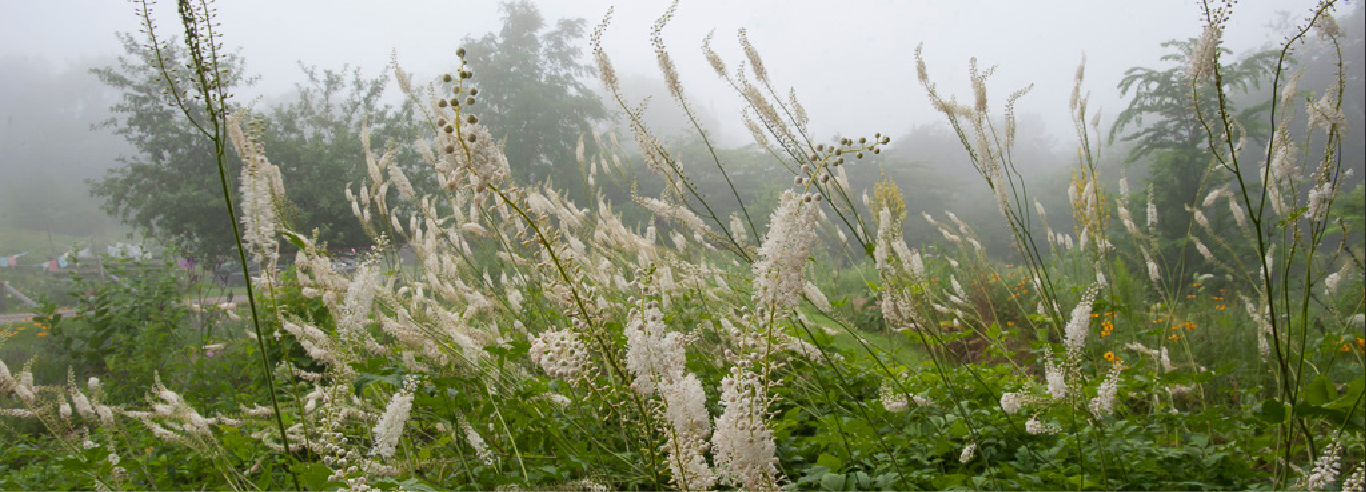
Back Cohosh (Actaea racemos)
Fairy Wands in the Appalachian Forest
Our Approach
Honoring the True Cost of Ethical Sourcing
Ethical sourcing of wild-harvested herbs is a commitment to plants, people, and place—and to
the true value of the work required to sustain them. This brochure provides plant-specific
context and sourcing guidance to support informed decisions and long-term, responsible
relationships built on quality, transparency, and respect
Black Cohosh Essence & Use
“These plants aren’t dandelions,” Eric Bukrhart said. “Forest botanicals take time and
patience to manage and grow and harvest. They are precious medicines. We need to treat
them with respect. Part of that means paying a price that recognizes their value. If you are
not paying people reasonable wages to manage the plants responsibly, there will always be
haphazard collectors.”[1]
Botanical description: member of the buttercup family (Ranunculaceae), an erect perennial
found in forests of Eastern North America from Georgia to Ontario
appearance from its foliage, having glabrous (smooth) leaves.²
Herbal uses: Black cohosh root was an important folk medicine for menstrual irregularities
and as an aid in childbirth; anti-inflammatory for arthritis and rheumatism; for normalizing
suppressed or painful menses; and for relieving pain after childbirth. Black cohosh has been
widely used for over 60 years in the prevention and treatment of menopausal symptoms.
Common Names: Black Cohosh; Black bugbane, black snakeroot, rattle-top, or fairy candle
Native Habitats
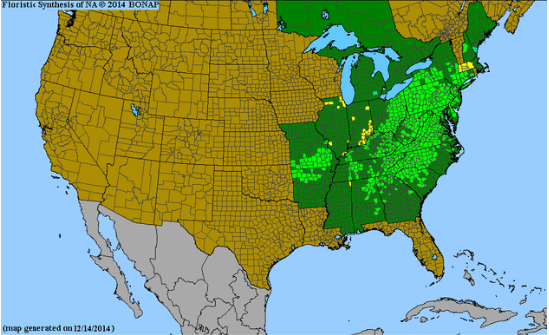
Black cohosh can be found from Southern
Ontario and Quebec in the north down to
Alabama and Georgia in the south.
Specifically, it lives in the U.S. states of
Alabama, Arkansas, Connecticut, Delaware,
Georgia, Illinois, Indiana, Iowa, Kentucky,
Maine, Maryland, Massachusetts, Michigan,
Mississippi, Missouri, New Jersey, New York,
North Carolina, Ohio, Pennsylvania, South
Carolina, Tennessee, Virginia, and West
Virginia.
In Canada, it can be found in Ontario and
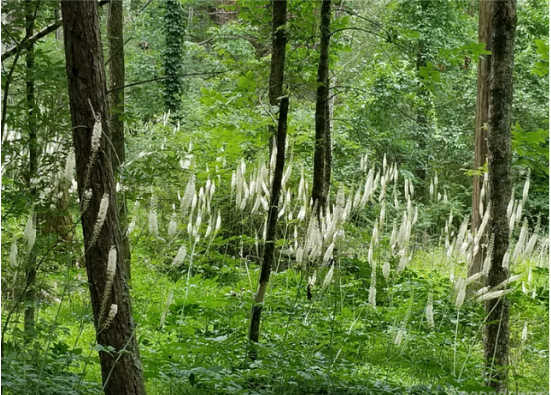
Quebec. It prefers moist, humus-rich soils
and rich forests with part to full shade.
Conservation Status
Actaea racemosa has not yet been evaluated by the IUCN
Red List.
The rhizomes and root system are used, and often the
entire plant is dug. This along with slower germination and
establishment time leads to black cohosh populations being
slow to regenerate after being overharvested. Black cohosh
is also slow growing with limited seed dispersal.
Black cohosh is threatened by habitat destruction of
eastern forests from logging and development as well as
the continuous wild harvest for the medicinal plant
industry [2]. NatureServe last reviewed the global status in
2020 and found that products derived from black cohosh
dried roots and rhizomes generate over 35 million in US
dollars in annual retail sales from an estimated 120,207 kg
of dried rhizomes and roots [2]. The annual harvest of black
cohosh can equate to as much as 500,000 pounds in dry
weight per year (UpS), an estimated 97% of which is wild-
harvested. It takes approximately 14–20 roots to produce
one pound of dried material.
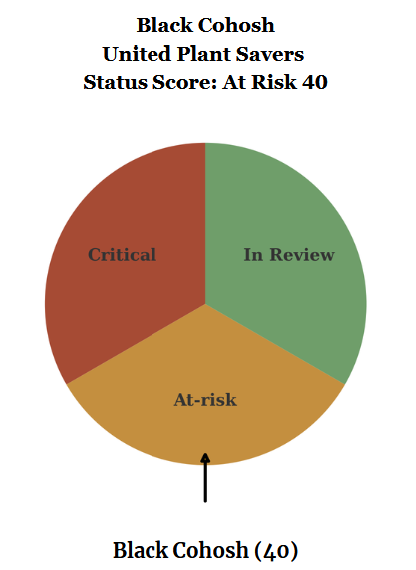
Research on regeneration has found that intense harvest rates dramatically reduced regrowth rates [3]. NatureServe Explorer classifies it as G3 Vulnerable. Attempts are being made to cultivate this species on forest farms in Iowa, Kentucky, and Virginia for the medicinal trade. Though there are currently no significant sources of cultivated material, Ed Fletcher predicts that more woodland managed stands will come into the market in the next few years if customers are willing to pay the extra cost of cultivation [4].
Sourcing & Supply Network
Most black cohosh is harvested in the middle Appalachian mountains by harvesters who also
harvest high value plants like ginseng and goldenseal. The harvesting community is secretive, largely because of the high price paid for ginseng, and harvesters typically work alone or with one other harvesting partner. This region has been hard hit economically by the mechanization of coal mining and the opiate crisis. Some harvesters have been doing it for generations, others have entered more recently to make a quick buck.This means there is a disparity of knowledge about best harvesting practices.
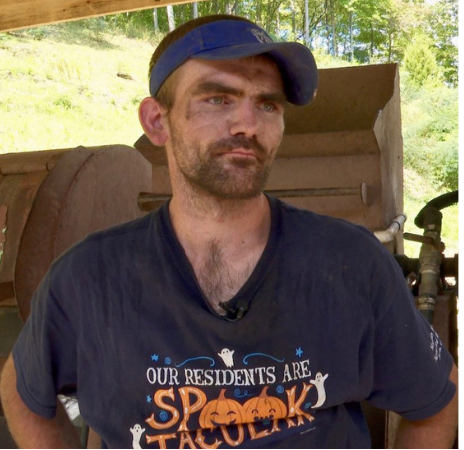
Aggregators let local buyers or dealers know what is in demand and what the going price is. These local buyers in turn tell their buyers or harvesters what they are buying. The harvesters, typically men and women without full time work, dig the roots, dry them, and bring them to the dealer, often at a recycling center scattered around rural areas in central Appalachia.
“Anyone can go dig, but it takes a long time to do it right.”
- Nathan, Harlan County
The dealer cleans the roots a bit more, dries them further if needed, mixes them with batches harvested by others, and then either delivers the herbs to their buyer or meets somewhere halfway. These dealers then sell to the aggregator.
Other sourcing networks include when a finished product brand deals directly with the dealers, either through an additional dealer (like Ed Fletcher/Native Botanicals or Herbal Ingenuity in NC) or directly.
Sustainable Harvesting Practices
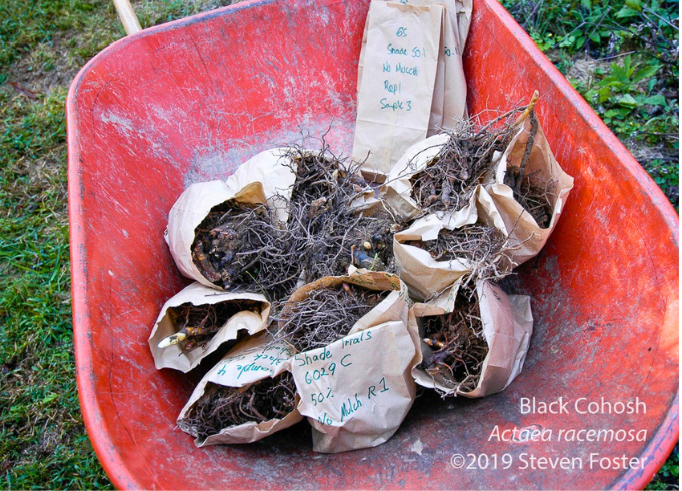
Good Stewardship practices are outlined in the AHPA Good Stewardship Brochure. These practices include: harvest when leaves begin to yellow and seeds are dry and rattling in their pods. Harvest roots from no more than 30% of the stems in a patch, leaving at least 70%. Avoid harvesting small plants or all of the largest ones. Do not harvest from the same population year after year. Wait at least four years after harvesting 30% of stems before returning to the same stand.[5]
“Black cohosh isn’t a high-dollar item like ginseng. It is harvested by people who know what they are doing, not those just trying to make a buck. The knowledge is passed through the generations and it tends to be harvested in a more sustainable way because people want to make sure the plants will be there when they come back next year.”
- Edward Fletcher, Native Botanicals
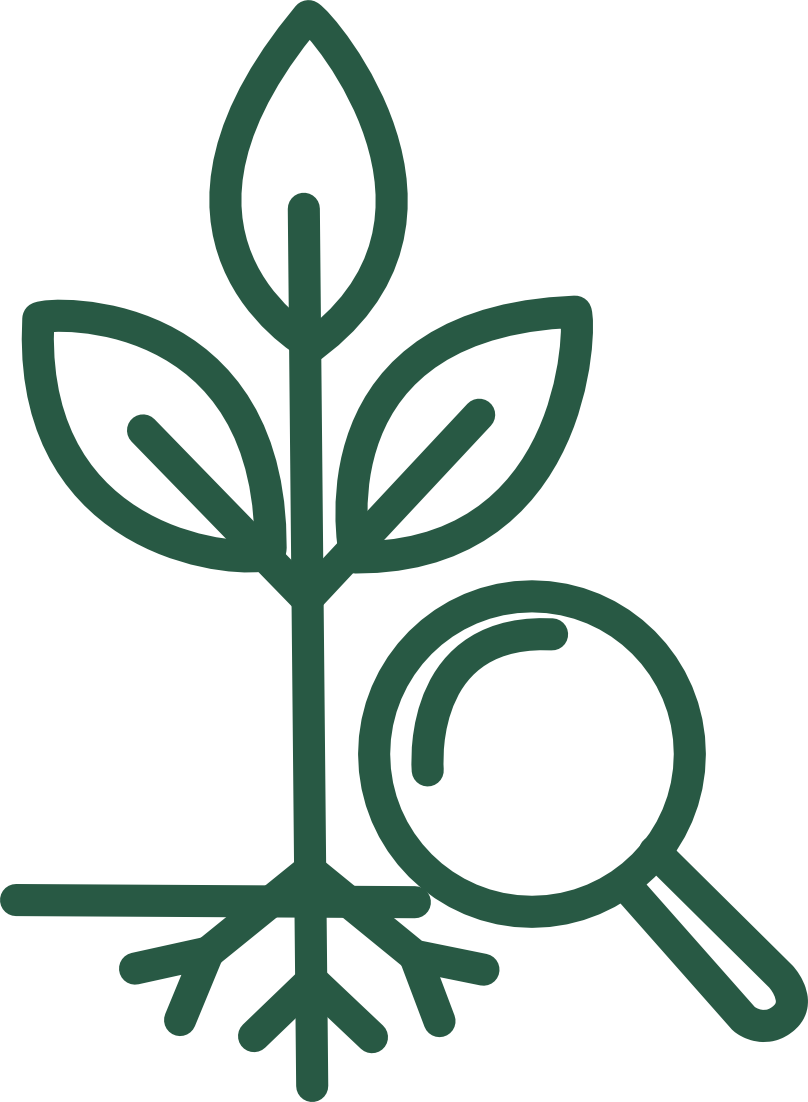
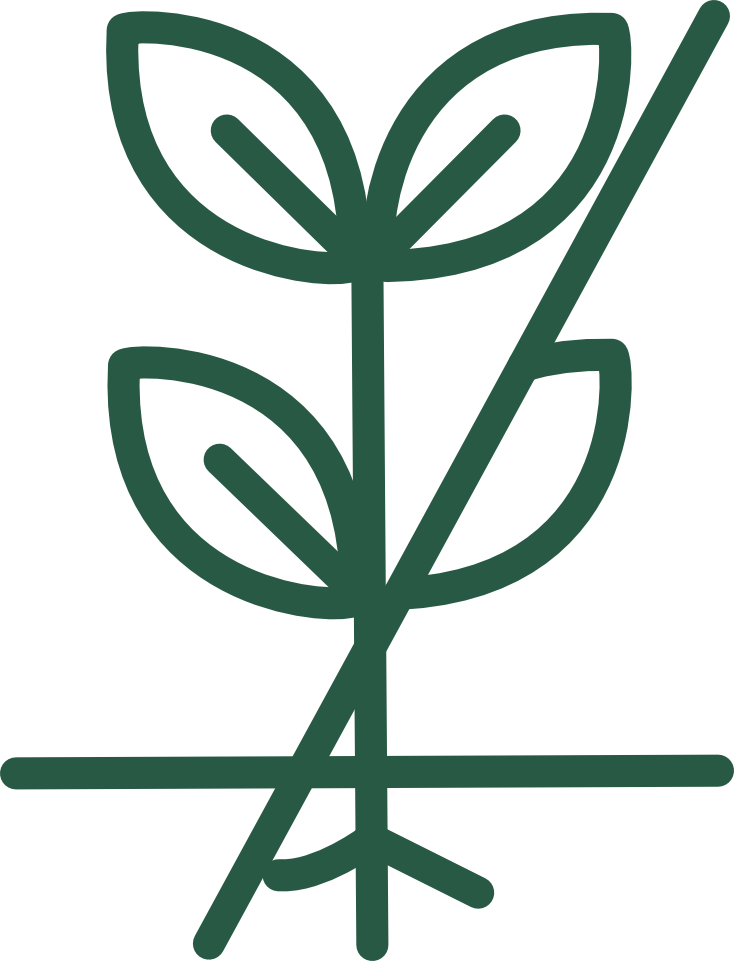
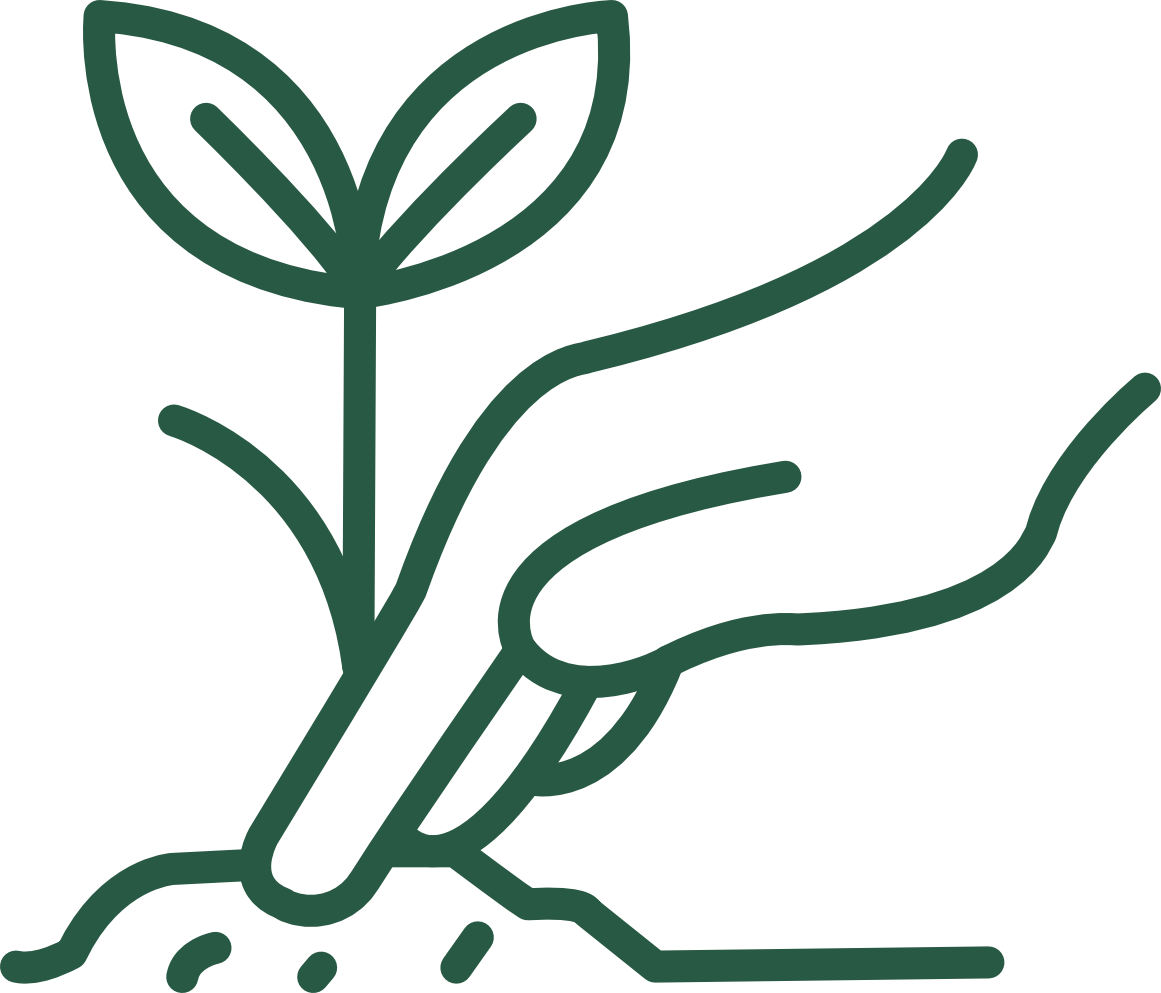
Harvest Only From Healthy, Mature Stands
Take Only a Portion, Leave the Stand to Regenerate
Restore the Site After Harvest
Guiding Questions for Ethical Sourcing
Relationships & Knowledge
- Who are the collectors or communities harvesting the plant? How long have they been harvesting?
- How did they learn to identify and work with this plant?
- What motivates them to continue harvesting each year
- Have they received any training on sustainable harvesting techniques? When? Are there any incentives for them to follow these practices?
- Do they have ongoing relationships with the land or governing body where they collect?
- Are permits collected if applicable?
- Is the buyer working with these harvesters directly or buying from a dealer? How many hands do the roots pass through before they get to you? How can you find out?
- Who is the dealer? How long have they been operating? Where did they learn about the business? How open/transparent are they about their work?
- Does the dealer know the harvesters who harvested the roots they buy? How well do they know them? What can you tell about their relationship? This relationship likely impacts the quality of the roots: whether other species are mixed in, how carefully they were cleaned and dried, whether the harvester dug the entire stand or left roots for regeneration, whether the harvester had permission to harvest on that land, whether they will be transparent about where they harvested and how they harvested, etc.
Harvesting & Stewardship
- Does the dealer know where the roots were harvested? Do they know anything about the general area? Typically dealers don’t have this information and harvesters aren’t likely to share it.
- If the dealer doesn’t know the area and/or the harvesters, how do they ensure sustainable harvest practices have been followed?
Processing & Quality
- How is the plant handled post-harvest – washed, dried, and stored?
- Are materials traced back to specific regions or collectors?
- What portion of processing occurs near the collection site versus at a central facility?
- Do they know of any pollutants nearby that may reach plant stands?
- What is known about the history of land use in the area and possible heavy metal contamination?
- Are any pollutants up stream of nearby rivers, streams, or bodies of water? Such as agriculture run-off?
Community & Fairness
- How are harvesters compensated for their work and knowledge?
- Are there local investments (with wetland restoration or training) supported through sourcing?
- How does this partnership strengthen community resilience and traditional knowledge transmission?
Cultural & Community Context
Black cohosh root was an important folk medicine for menstrual irregularities and as an aid in childbirth. Adopted in medical
practice it had a great reputation as an anti-inflammatory for arthritis and rheumatism; for normalizing suppressed or painful menses; and for relieving pain after childbirth. It typically is not used by harvesters who harvest it to sell.
“It’s called wild crafting for a reason. It is a craft.”
- Edward Fletcher, Native Botanicals
Pathways Forward for Ethical Sourcing
Ethical sourcing becomes an act of restoration, an expression of reciprocity and long-term care for land, water, and community. Ask suppliers the questions in this brochure. If they are not willing to answer them or don’t answer them sufficiently, consider other sources.
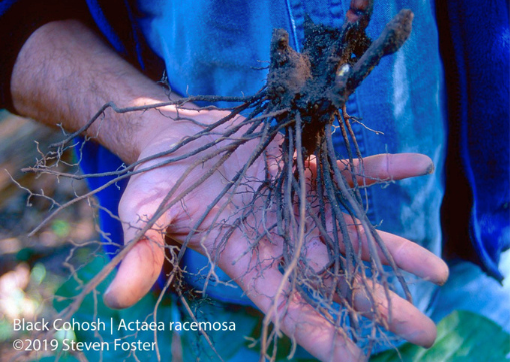
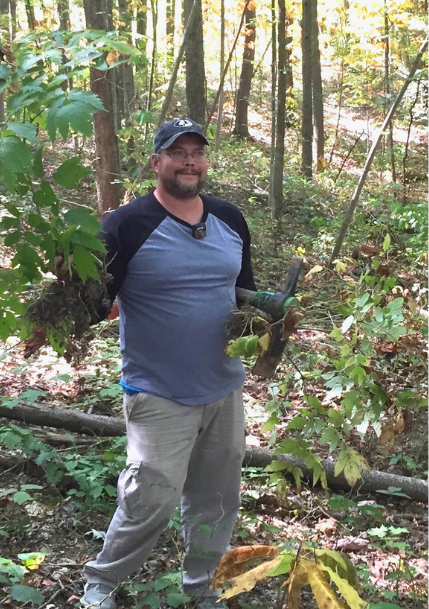
When sustainable wild-harvested black cohosh cannot be procured, look for the following ways to support sustainable and ethical sourcing: Steven Demonstrating a Black Cohosh Harvest
Support existing wildland stewards through education and opportunities offered by Wild Stewards Alliance.
Help stewards adopt FairWild Foundation certification and assist with required documentation and education.
Appalachian Sustainable Development and the Appalachian Herb Hub
Contributors & References
Contributing Authors:
Ann Armbrecht, Founder and Director, Sustainable Herbs Initiative
References:
[1] Eric Burkhart discusses his research into the trade of Appalachian natives species in the
free webinar, Forest Botanicals Deep and Tangled Roots. Feb 2015.
[2] John R. Boetsch, Acrea racemosa: Black cohosh. NatureServe Explorer, 2/13/2020.
https://explorer.natureserve.org/Taxon/ELEMENT_GLOBAL.2.154359/Actaea_racemosa.
Accessed April 6, 2026.
[3] Kruger SD, Munsell JF, Chamberlain JL, Davis JM, Huish RD. Projecting Medicinal Plant
Trade Volume and Value in Deciduous Forests of the Eastern United States. Forests. 2020;
11(1):74. https://doi.org/10.3390/f11010074
[4] Ed Fletcher, personal communication. April 6, 2026.
[5] AHPA Good Stewardship Harvesting of Black cohosh. AHPA 2025.
https://www.ahpa.org//Files/Good-Stewardship-Harvesting-Brochure_Black-Cohosh.pdf
Accessed April 6, 2026.
Partner Organizations:
Sustainable Herbs Initiative, https://www.sustainableherbsinitiative.org/