What to Do: Consumers

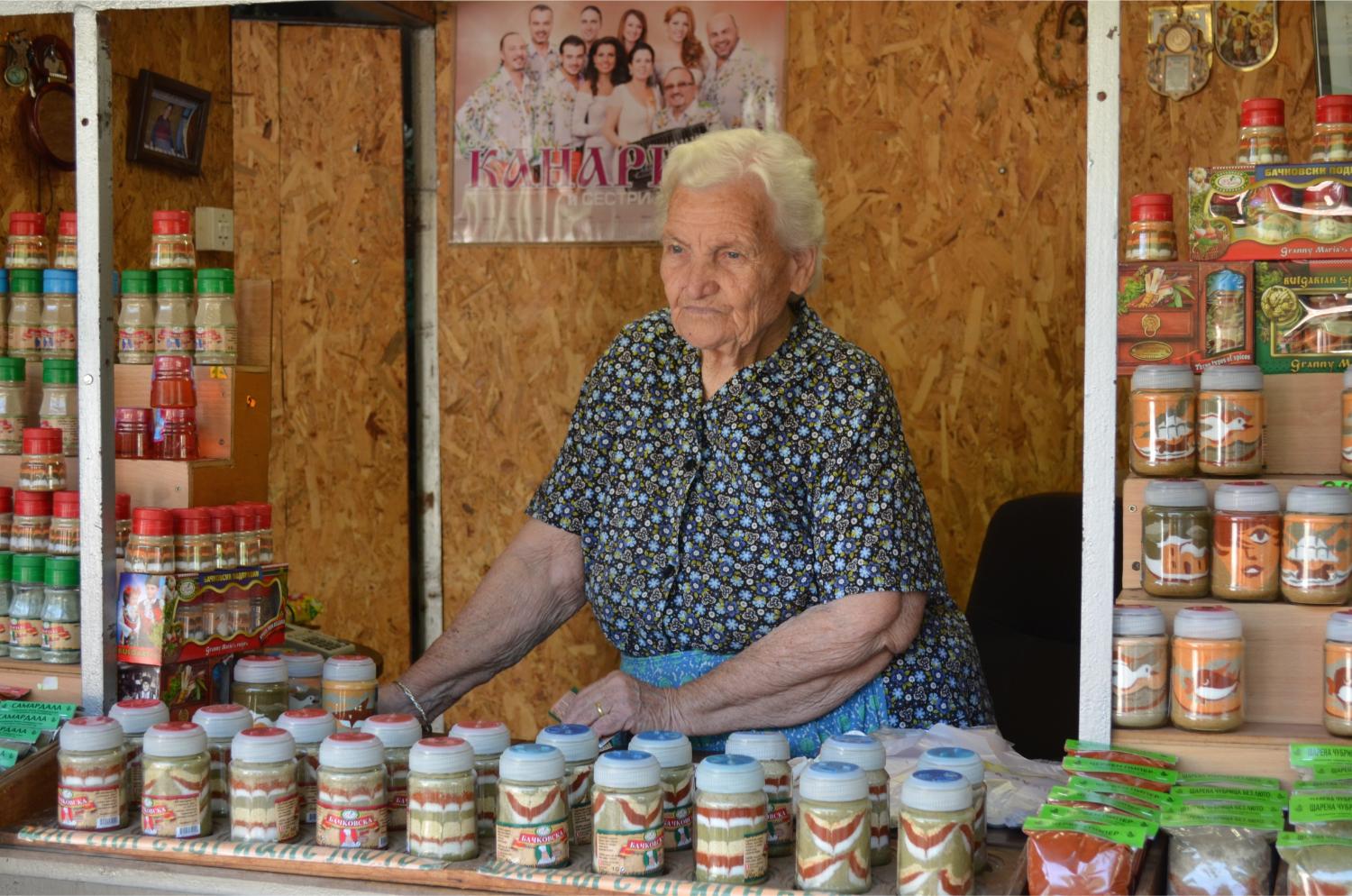
Herb shop in Bulgaria

Consumers as Citizens

It can be hard to know where to begin.

Here are ways to let companies know you are paying attention, and that you expect more.

Can I trust this company?

No company is perfect. Look for one whose values you trust, and who is committed to improving.

Does price matter?

Yes. The sourcing practices that lead to consistent, reliable quality cost more.

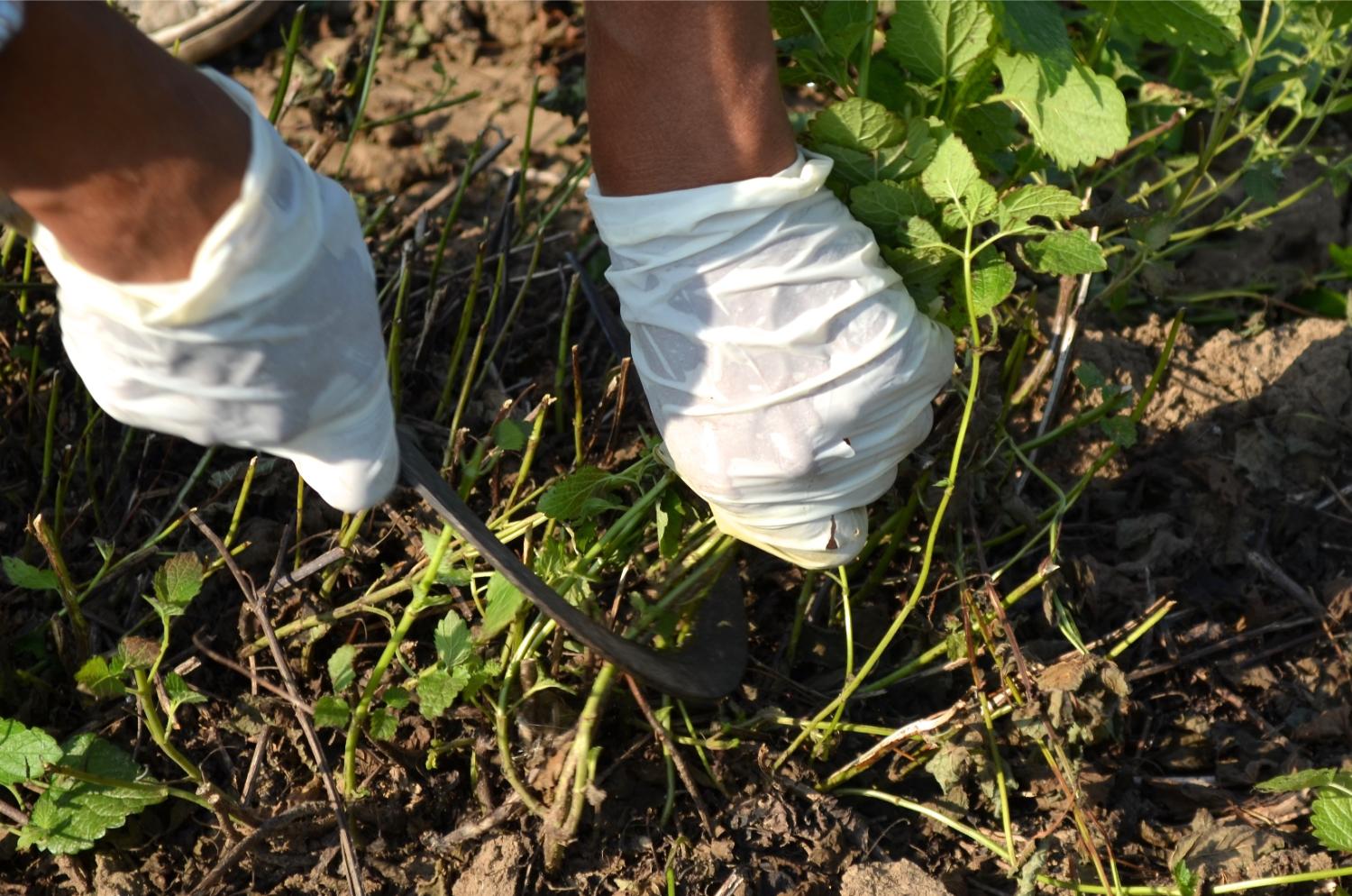
Weeding lemon balm, Bulgaria
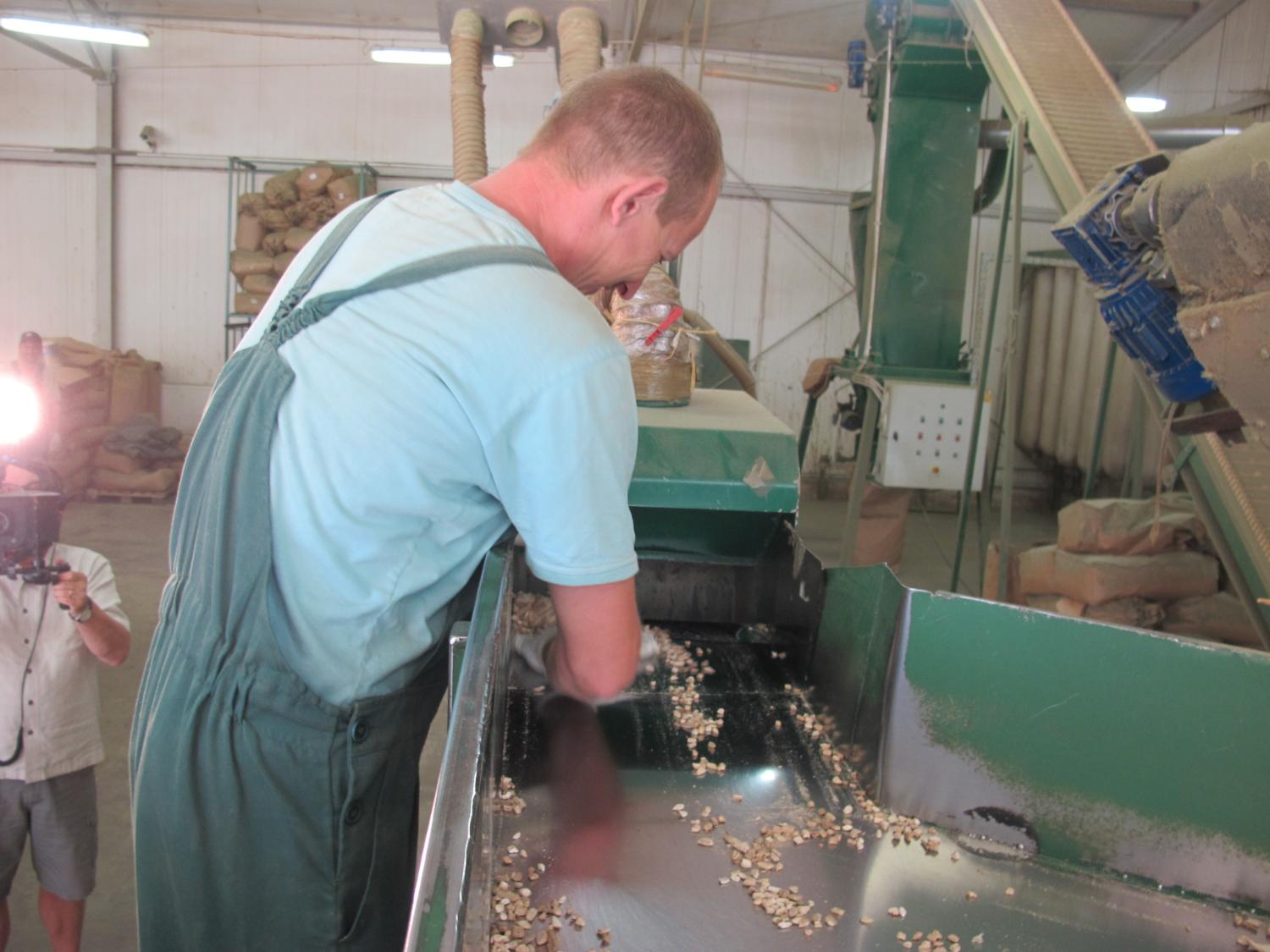
Processing at Runo
Processing at Runo, Poland

Does organic matter?

Yes. These plants are meant for healthcare. It makes no sense to take medicine grown with chemicals known to cause disease.

Do fair certifications matter?

Yes. Quality herbs depend on people paying attention from source to shelf. Fair certifications aren’t perfect, but they’re a beginning.

Digging Deeper

"I once had a question about the sustainability of osha in one product. I called the company, and someone picked up who could answer me right away. That call meant someone there was thinking about it too."

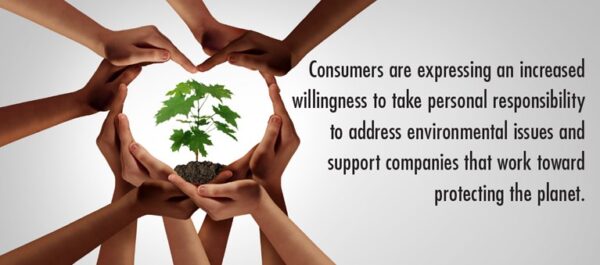
We vote every day with our money. If companies know consumers are paying attention, they’ll pay more attention too. 

 A good place to start is our free Buyer’s Guide to Herbal Products, made with the Institute of Natural MedicineBelow are are five places to dig deeper. Don’t expect any company to be doing everything perfectly. Look for one with a plan, and the honesty to say what they haven’t accomplished yet.

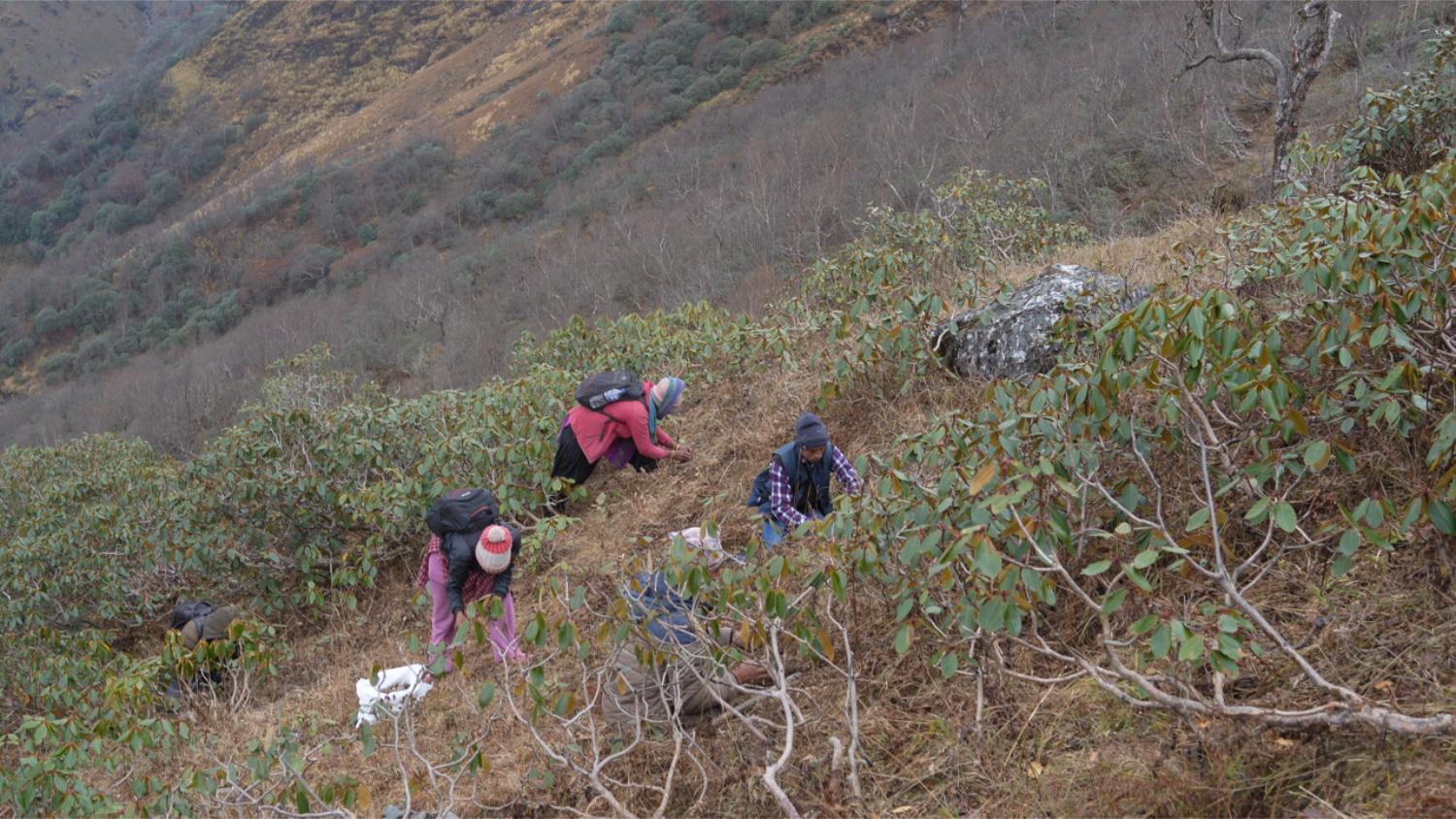
Harvesting jatamansi in NW Nepal

Wild harvested plants

Know what’s at stake for the plants themselves.

Questions to Ask

  • Are the herbs in this remedy wild harvested or cultivated?
  • Where are they grown and harvested? Are they threatened?
  • What resource management plans keep harvesting sustainable long term?

Take Action

Ask how companies ensure that the wild harvested plants they source are sustainably collected. Buy FairWild certified products, and ask companies to consider adding them. 

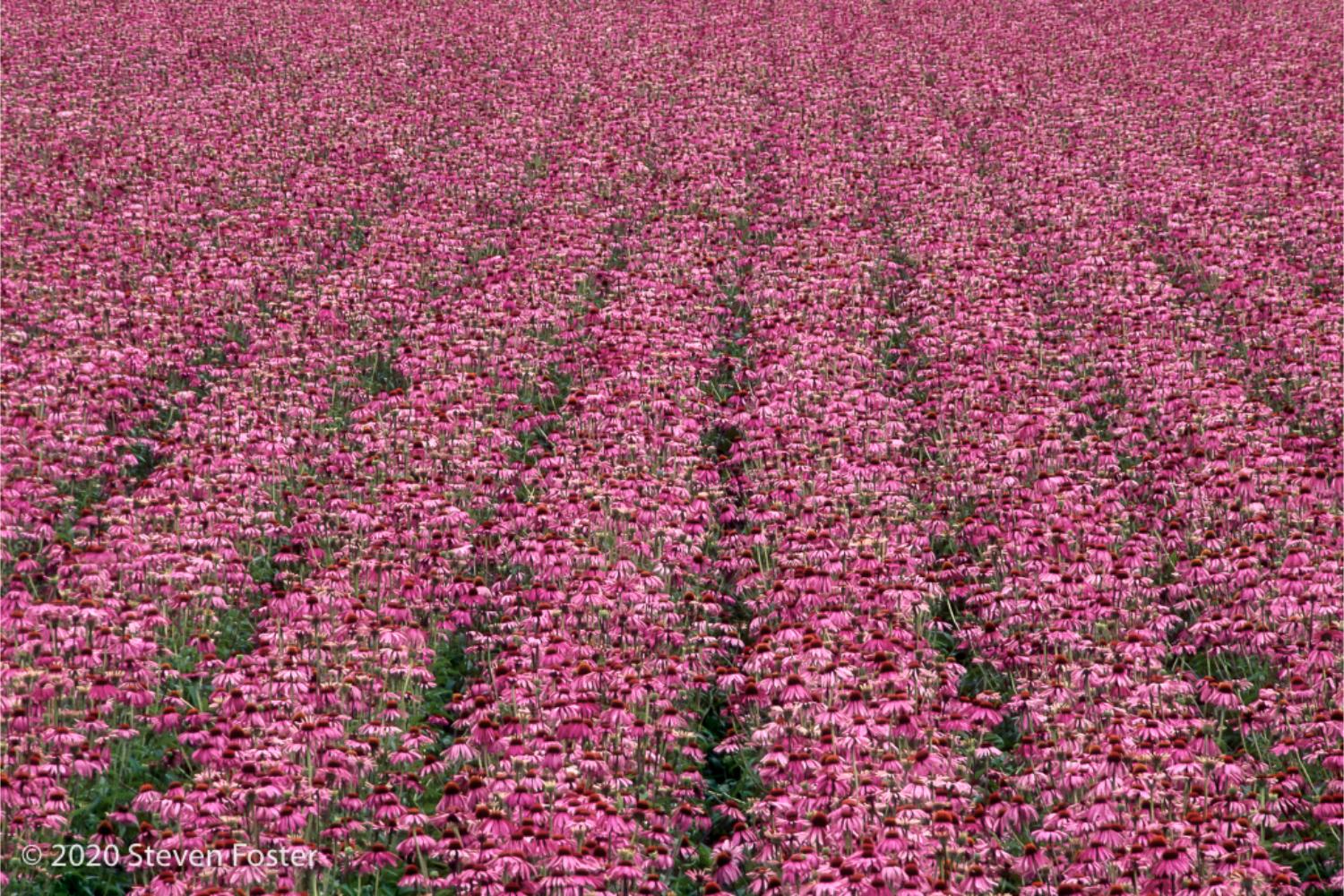
Field of organic Echinacea, by Steven Foster

Buy Organic

Health: These plants are meant for healthcare. It makes no sense to take medicine grown with chemicals known to cause disease, or to buy a product where workers are exposed to those same chemicals and the land is sprayed with them.

Traceability: Organic certification requires a transparent chain of custody. That means a safer product for you, and a fairer deal for the people at the bottom of the supply chain, especially wild collectors and small landholders.

Questions to Ask

  • Are the herbs certified organic? If not, why not?
  • If a company says no pesticides are used but certification isn’t affordable, how do they ensure traceability, and how do they know growers are following organic practices?
  • What do they know about the water used to irrigate, and other sources of contamination? This matters even more for wild collected plants, where organic certification doesn’t require collection sites be far from industrial areas.
  • Are the other ingredients, like alcohol, oils, and glycerine, also certified organic? If not, why not?

Take Action

Buy organic. It sends a message that this matters.

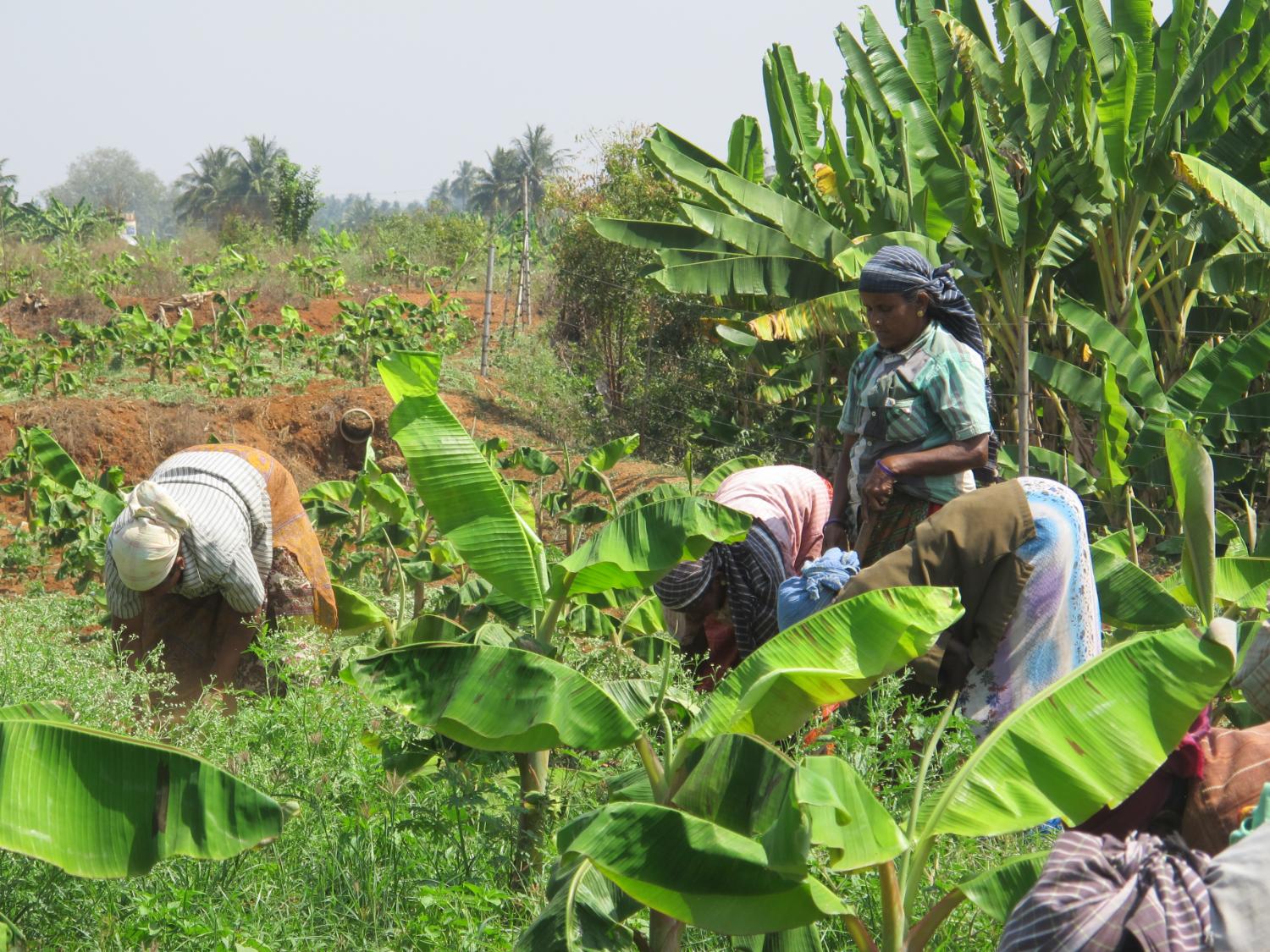
Women weeding, south India.

Fair Trade

It makes no sense to use plants for our health that were grown and processed by people who aren’t healthy themselves, people earning only pennies for their labor. The people doing the hardest work in this industry earn the least. Fair certifications aren’t perfect, but they’re a framework for correcting that.


Questions to Ask

  • Are the herbs fair trade or Fair for Life certified? If not, why not?
  • How much are workers, including growers and collectors, paid?
  • When companies buy through brokers, how do they make sure wild collectors are paid fairly?

Take Action

Many herbs aren’t fair certified. Ask your favorite companies why not, and what they’re doing to pay workers fairly and offer secure contracts. If companies know consumers are paying attention, they’ll pay more attention too. 

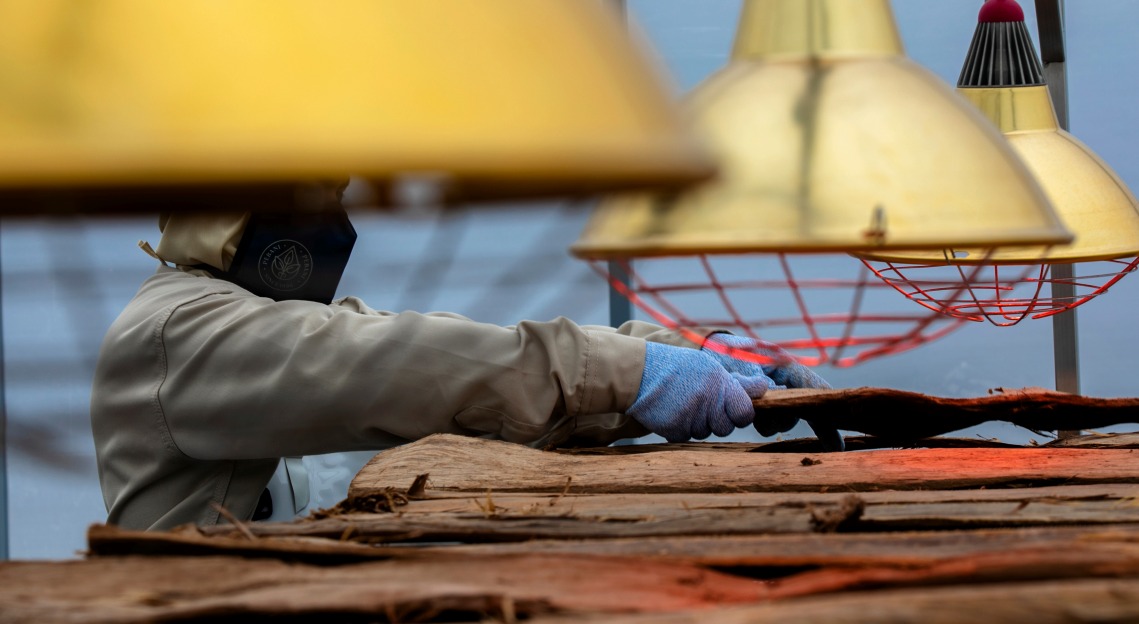
Quality control at Pebani, Peru

Quality

Quality is last on this list not because it matters least, but because it depends on everything above it. Companies paying attention to these larger issues will already have rigorous quality control in place.

Questions to Ask

  • How does a company make sure the product is the right herb, the right part of the plant, harvested at the right time?
  • How were raw materials handled through drying, storage, and production?
  • What testing confirms there are no contaminants or unwanted ingredients?

Take Action

Watch our Quality and Sourcing Control video, and check whether the companies you buy from follow this level of care. Share it with their marketing department and ask if these are the guidelines they use.

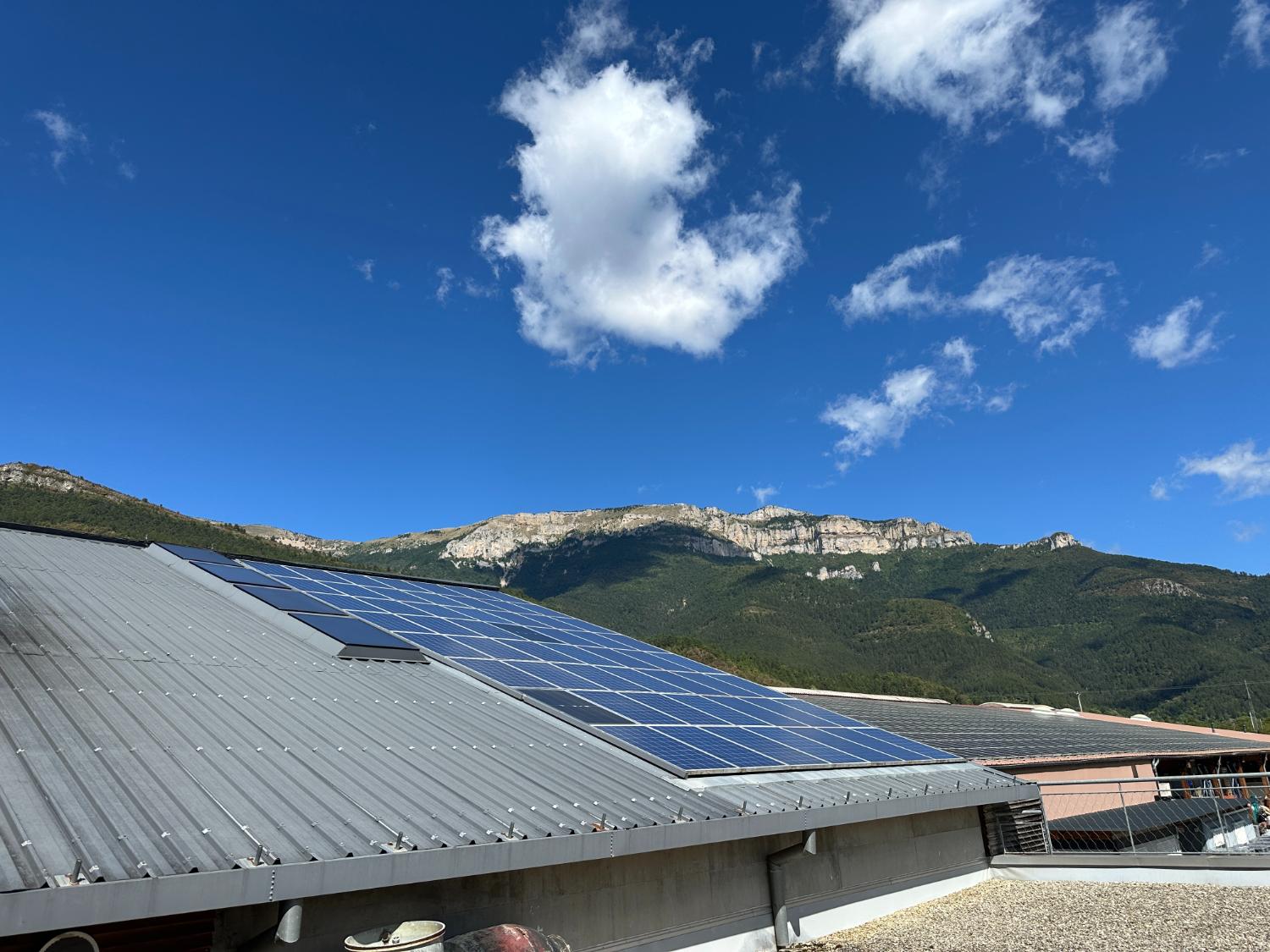
Solar panels at l'Herbier du Diois, France

Corporate Responsibility

"We live in a world where we are all using the earth's energy, the oil, water, the resources of the earth. I don't think any business would deny that. What is important is that those companies are doing their utmost to ensure that they are putting back what they are taking out."

Questions to Ask

  • Is what a company puts back proportional to what they take?
  • Do their practices match the lifestyle their brand is selling?
  • What evidence do they have that they’re actually following these practices?

Take Action

Certified B Corporations and the more recent Purpose Pledge require rigorous reporting and a real commitment to reviewing their own work. These are good baselines to look for.

Blog Posts Related to What to Do: Consumers