Botanical Supply Chain

Do you know where your herbs come from?
SHI began with this question. It led founder Ann Armbrecht on a journey around the world, meeting growers, harvesters and processors. She discovered the complexity of the herbal supply chain, an awareness that continues to frame SHI’s work. Unless you grow your own medicinal plants, this is likely not a question you can easily answer. Yet, it’s vital to ask, whether you are an herbalist, a botanical company or someone who uses herbal products.
Plants contain a particular combination of constituents based on where and how they are grown – the soil, the weather, the altitude. When these change, the phytochemicals and flavours of the plant may also be altered. All of these environmental factors, alongside the horticultural skill of the growers or the local knowledge of the wild harvesters, impact the medicinal properties of the plants being sourced. They also impact the sustainability and health of future crops and harvests.
Harvesting and Processing Matter
Harvesting and processing medicinal plants requires attention and expertise. Each species and plant part must be harvested at certain times of year, dried at specific temperatures, and processed in unique ways to retain its quality.
Valuing the people in the supply chain
The best quality herbs are produced and handled with real care, at every step of their journey to you. When people working along the botanical supply chain feel valued for their work and are paid a wage that enables them to look after themselves and their families, they are more likely to give the plants and their processing the attention that is needed.
Read more about the people behind finished herbal products and how they inspire the work of SHI.
To help you better understand the steps your herbs have gone through before they reach you, follow the links below.
Explore the Steps from Seed to Shelf
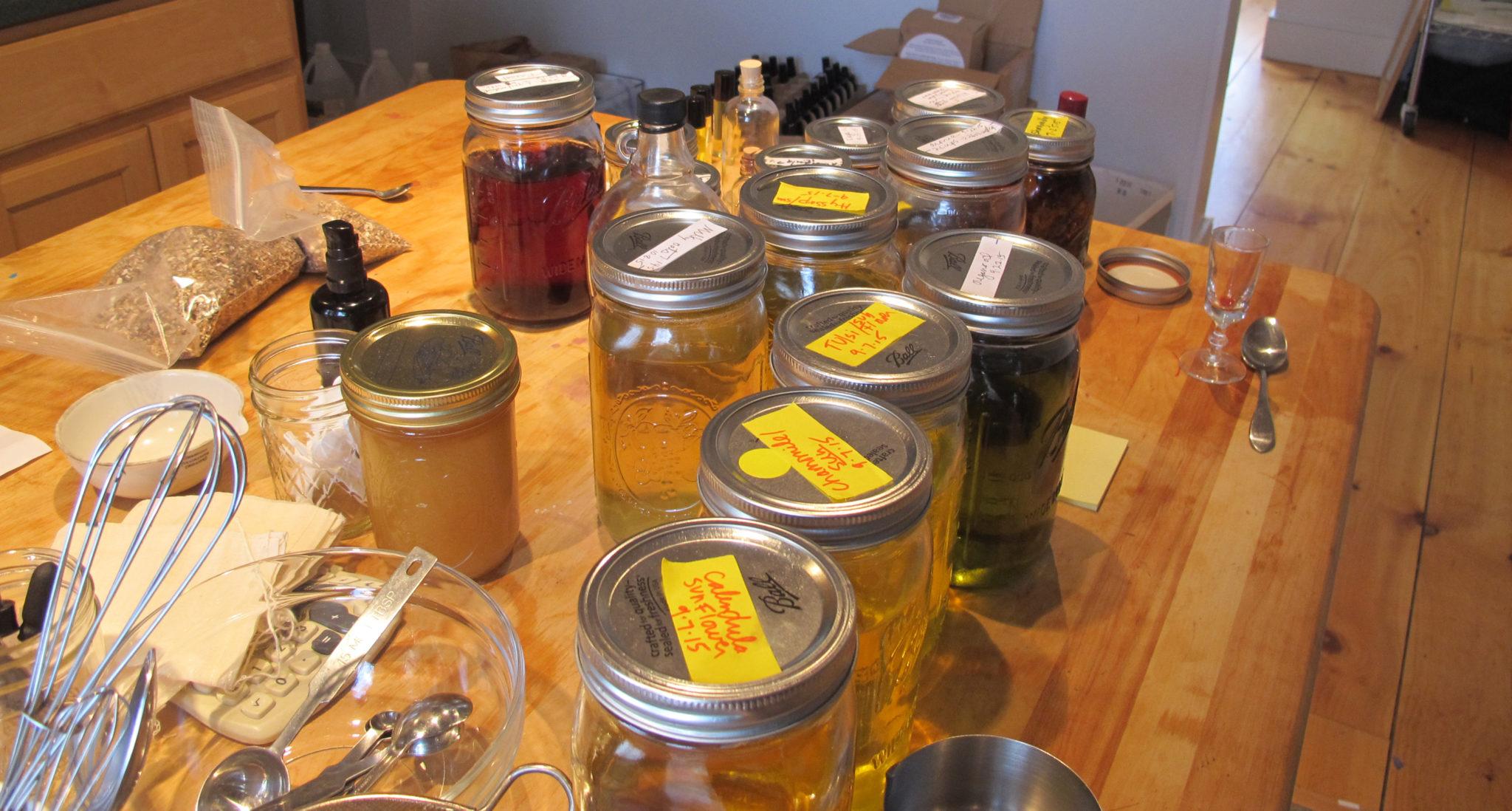
Best practices for developing new products and finding the raw materials needed to produce them.
Learn more:
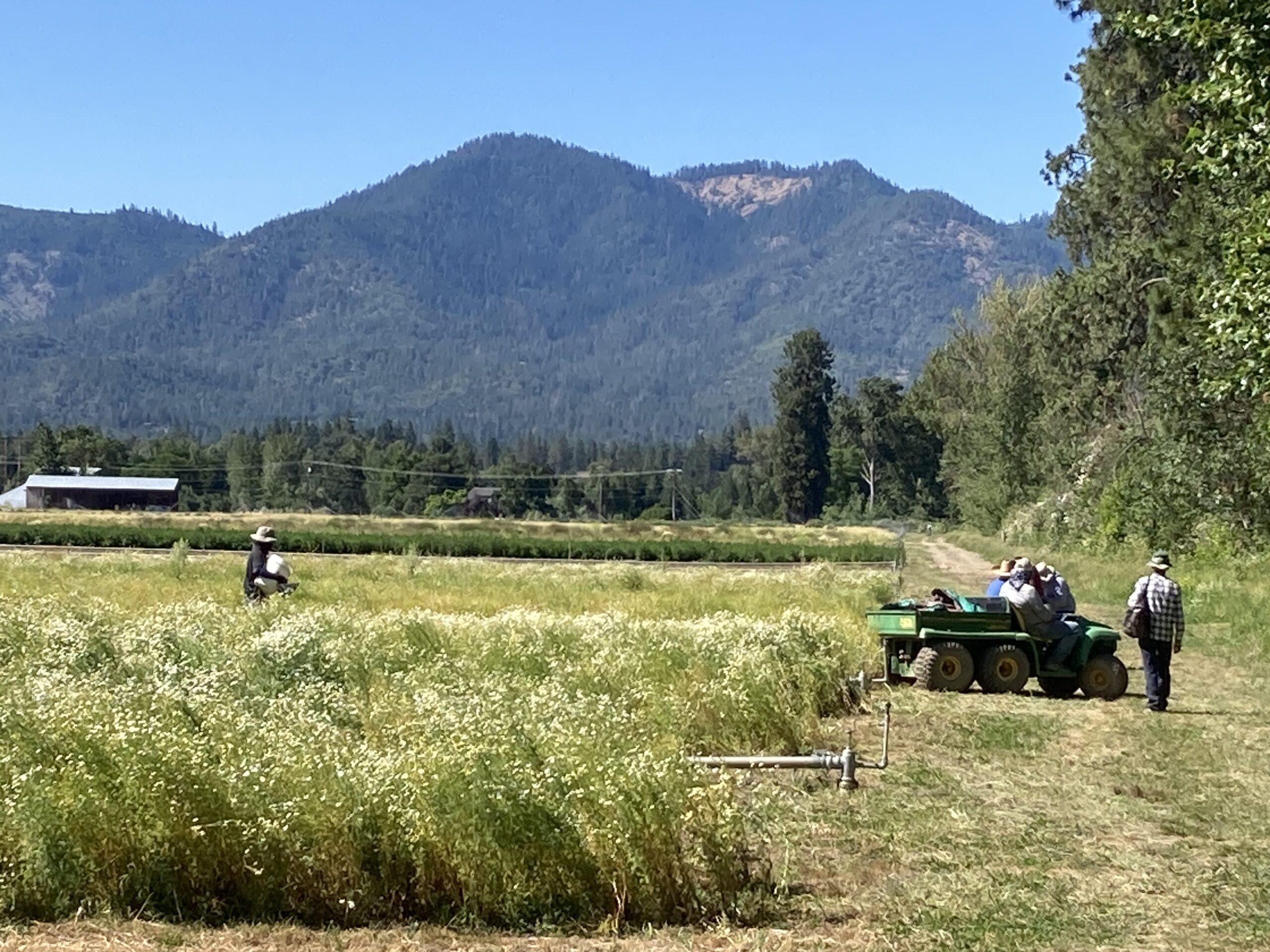
Primary Production
Primary production includes both cultivating and wild harvesting herbs.
Learn more:
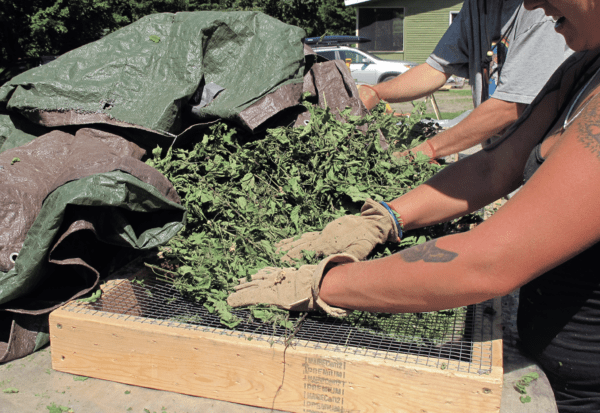
Processing
This stage makes or break quality. Drying, cutting and sifting, extraction, and storing herbs. It takes work and attention to manage large amounts of herbs while retaining the quality of the raw material.
Learn more:
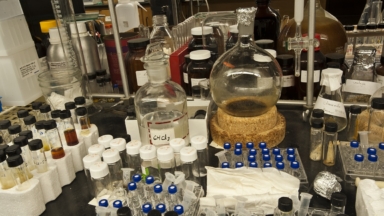
Secondary Processing
Extraction is the process of teasing the compounds out of the plants so they are available in finished herbal products.
Learn more:
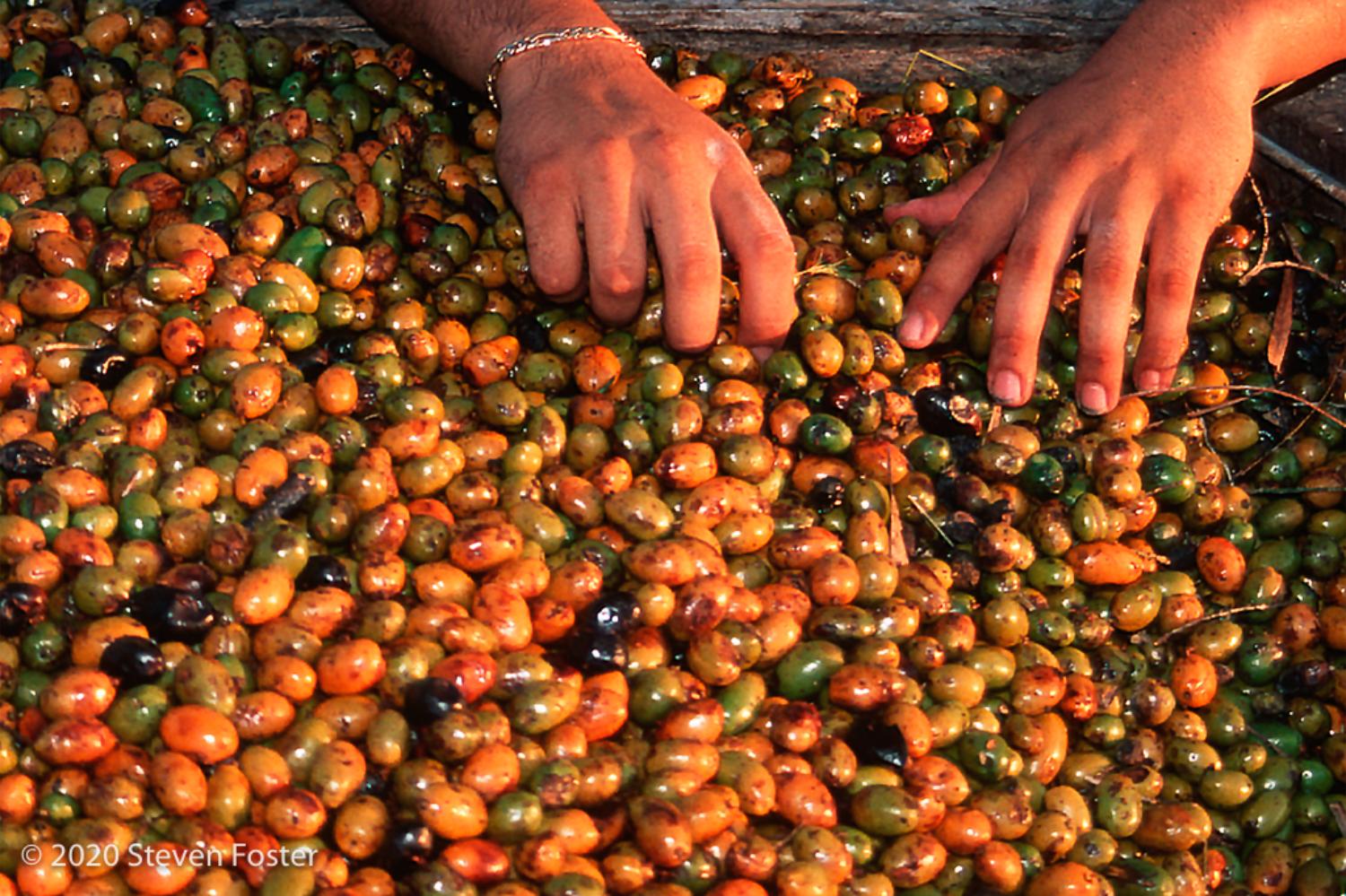
Quality Control
All reputable companies have rigorous quality control and testing procedures in places.
Learn more:
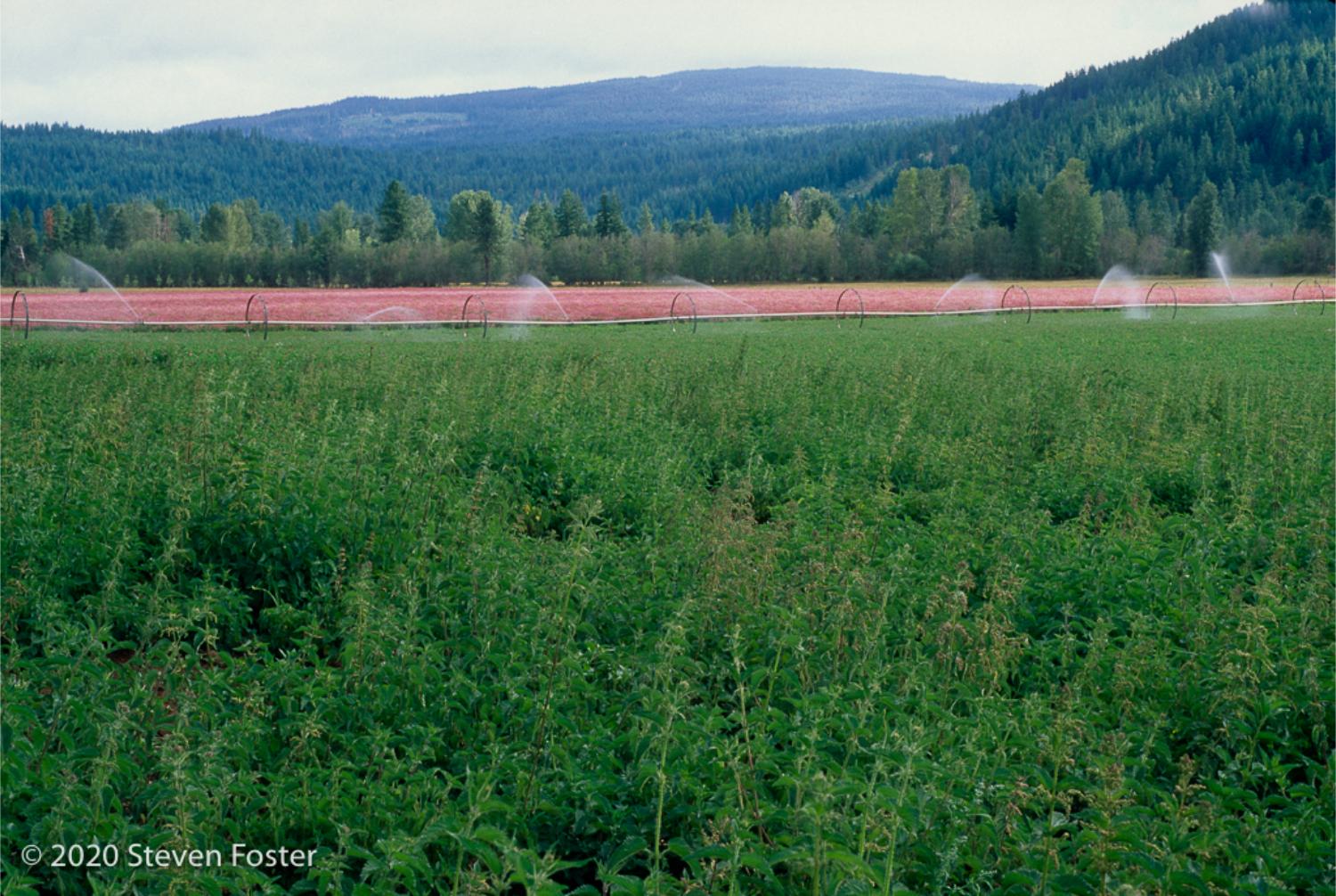
Marketing and Storytelling
Many brands primarily focus on marketing their products. Mission driven companies do more.