Wild Harvesting
Introduction
We created these brochures to help herb buyers better understand questions to ask in purchasing herbs. Our goal is to help buyers become aware of the larger ecosystem (ecological, economic, cultural, social) from which wild plants are harvested.
This introduction outlines questions to consider for every herb purchased. Species specific brochures provide brief overviews of that species in commerce and specific questions to consider in sourcing.
Our intention is to support companies in developing long-term relationships with suppliers and better understand all the aspects encompassed in the price of wild raw materials. Use these questions to deepen your understanding of a particular species and your company’s sourcing of that species and also as a guide to develop and deepen relationships with suppliers.
Note: In speaking with suppliers, make sure you know what you will do with the information before taking their time. Also, if you know you are not likely to buy from this supplier because of price or quality reasons, don’t take up their time by asking questions or requesting samples.
Answer as many of the questions below from those inside your company who might have this information. These questions are intended to guide and deepen your relationships and make several seasons and several conversations to answer.,
The answers to these questions provide insight into the relationships your company has with this supplier as well as the relationships the supplier has with the wild harvesters and the area where they are harvesting. While not make or break issues, they can help you understand the depth of knowledge that the supplier has with the species, the collectors, and the area.
Internal
- Speak with your quality team, what are the important issues with sourcing this species and/or with this particular supplier that you should know about in advance?
- What is the history of your company’s relationship with this supplier? How long have you worked with them? Have there been challenges? If so, how have they been resolved?
Supplier
- How many years have you been working in this region?
- If the supplier is not harvesting the herbs themselves, how well do they know the wild harvesters from whom they purchase herbs?
- Are they aware of how collectors are monitoring or stewarding their stands? Do they (or you) know if plant populations are growing or shrinking? Do they return to the stands and monitor?
- What type of investments is the supplier making in the field/these communities?
- What does post harvest processing and infrastructure look like? What percentage is done in the field and what is done at a processing facility?
- What inputs is the supplier making at their facility?
- What certifications do they have?
- How can buying this ingredient help mitigate existing pressures on the species and the wild harvesters (land use pressure, economic pressure, socio-cultural)?
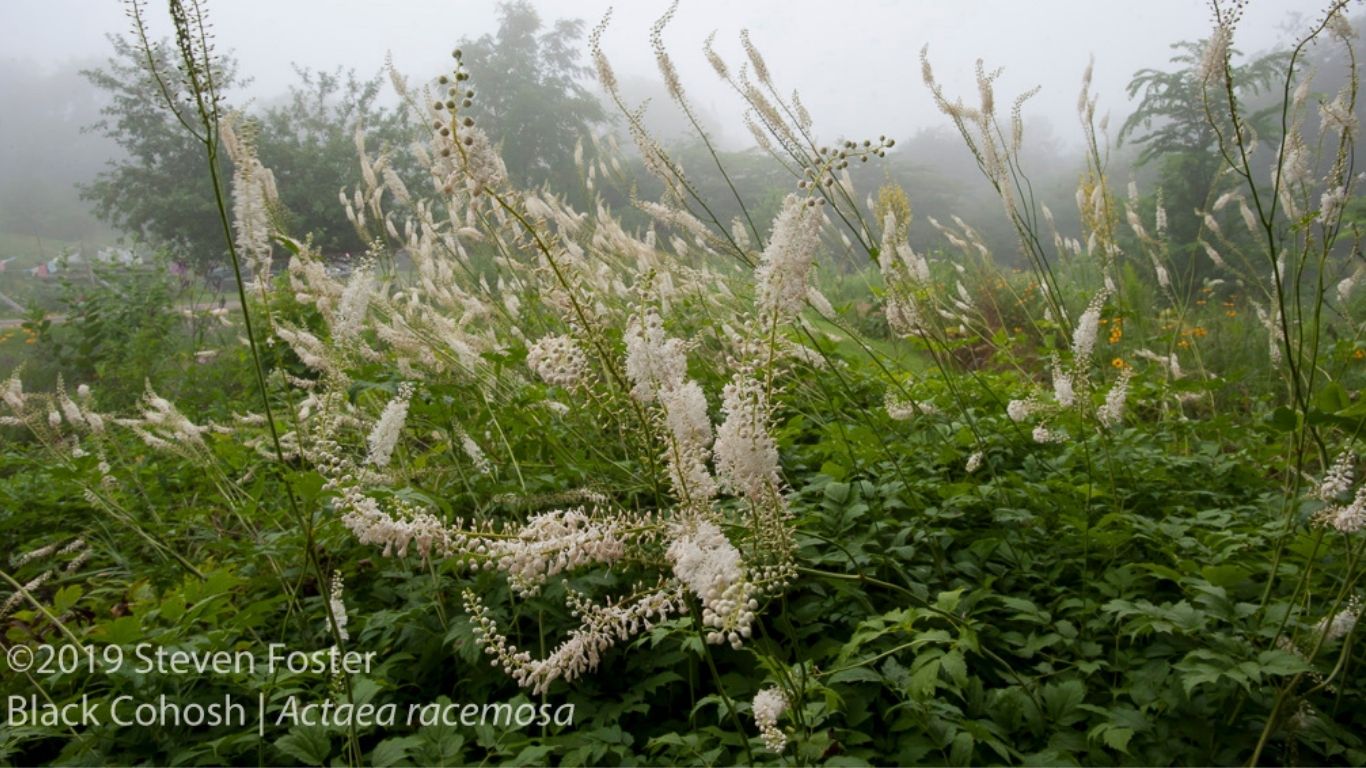
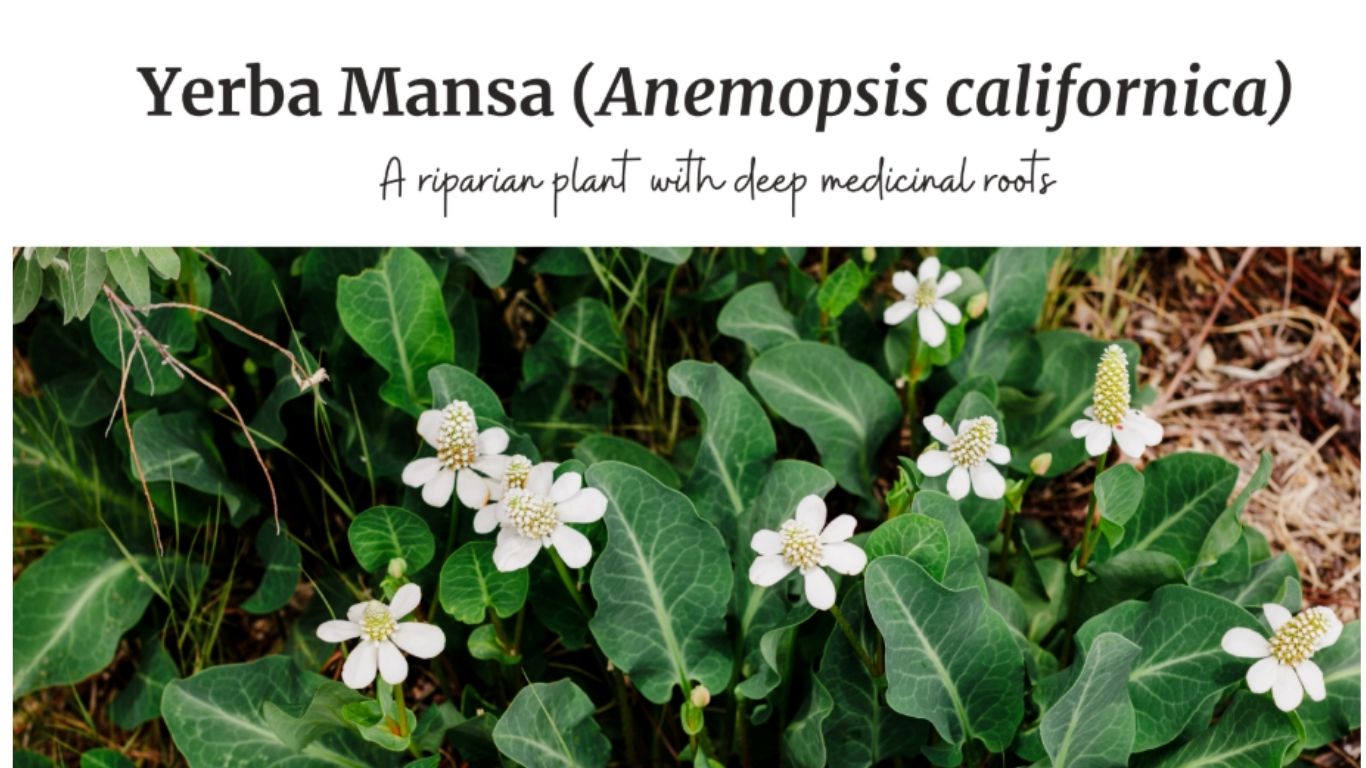
- The questions for each species differ depending on who a buyer will likely be purchasing from, either a dealer or broker or directly with the wild harvester. Black cohosh is typically brought through a broker and Yerba Mansa is typically bought directly from the wild harvester. Read specific species guides for more details.
Why Ethical Sourcing Matters
Choosing sustainably sourced plants is an ethical commitment to both the medicine and the people who rely on it. When consumers turn to herbal remedies, they deserve potent, authentic plants, not weakened or adulterated material that reinforces harmful “snake oil” stereotypes.
Ethical sourcing and harvesting practices ensure herbs are harvested at the right stage, processed properly, and selected for the correct species and plant parts, while also protecting vulnerable plant populations so natural plant remedies remain available for future generations. By honoring the plants, the ecosystems they come from, and the traditions they support, we offer consumers the most effective and responsible products possible.