Regenerative Agriculture

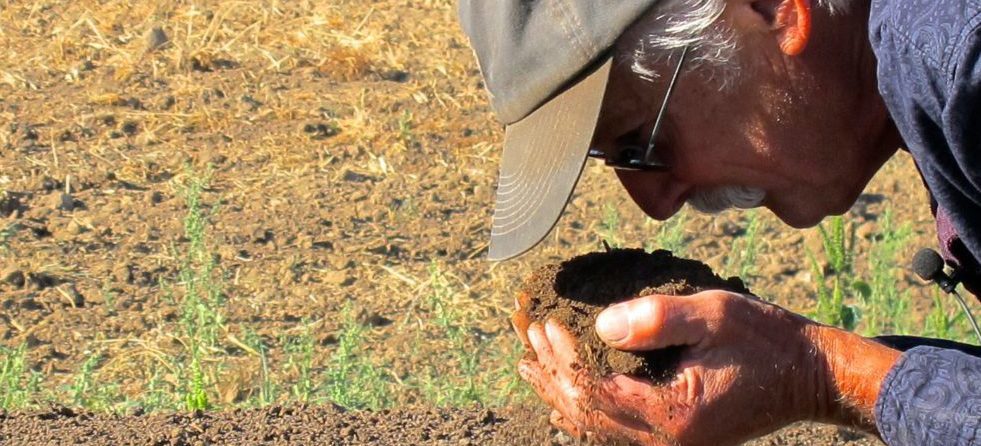
Regenerative Agriculture: man in a ball ca bending to sniff handful of soil
the late Randy Brown, co-founder Oregon's Wild Harvest

When you are a farmer, you are really growing soil.

What is Regenerative Agriculture?

Medicinal plants are often classified as either wild harvested or cultivated. While this is an important distinction, we also need to ask how cultivated herbs are cultivated. Are they grown in ways that support the health of the soil, the water, the air, the atmosphere, and communities that depend on producing those crops for their livelihood? Or are they grown in ways that deplete or poison those human and ecological communities?

Regenerative organic agriculture puts soil health at the center of farming practice. In doing so, it goes beyond not using chemical pesticides and fertilizers. It incorporates techniques like cover cropping, crop rotation, rotational grazing, and minimal soil disturbance. And it recognizes farmers as stewards of the land.

These improvements in the soil increase percolation, nutrient accessibility, and carbon sequestering. Similarly, they reduce erosion, encourage biodiversity, and help to sustain livelihoods.

At the current rates of soil degradation, the world’s topsoil could be lost within 60 years, a senior UN official has said. Herbal products companies are already experiencing disruptions in their supply chains from shortages due to unprecedented rains, droughts, fires, hurricanes, and other weather events caused by climate change. These disruptions will only increase in the future. In the light of this, we need to look for alternative approaches to farming medicinal plants in order to secure herbal supply chains in our changing world.

Meet regenerative farmers

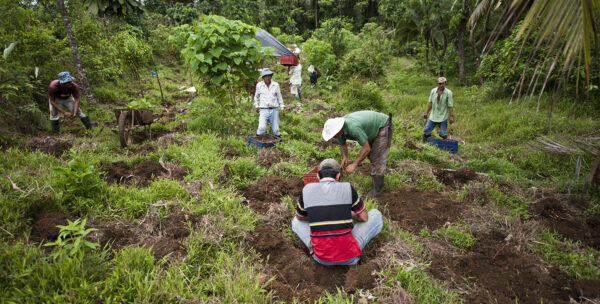
SHI travelled to Costa Rica to learn about regenerative farming in practice and the potential it offers for medicinal plant cultivation in the future. From plant rhizomes and soil microbiome to the human communities above, regenerative farming builds and nourishes resilience.

It all starts with the soil

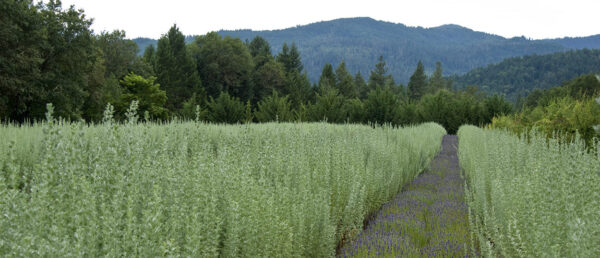
Join this lesson in compost making at Avena Botanicals – and learn why it is so important for growing healthy, strong medicinal plants and supporting soil life and structure. Unsurprisingly, compost is at the heart of the gardens which produce 1500lbs of medicinal plants from just 2.5 acres.

Read more about research into the relationships between the health of the soil, the chemistry of the crops grown in that soil, and human health here – Soil Health: What Your Food Ate. A Conversation with Anne Biklé and David Montgomery

What SHI is doing

Our vision is not simply that the sourcing and manufacturing of herbal medicine does no harm – we believe sourcing and manufacturing remedies to improve human health should improve the ecological health of the places where they grow. Just as good sourcing strategies are built on actively building and maintaining relationships along the supply chain, good growing practices should actively build and maintain healthy soils and healthy ecosystems. 

Find out more about regenerative farming’s role in medicinal plant cultivation through our resources, webinars and blogs below.

SHI Regenerative Farming webinar series

SHI Toolkit 2.0

If your company is interested in incorporating regenerative farming practices into their supply chains, head to the Responsible Sourcing section of SHI’s Toolkit 2.0.

BLOG POSTS RELATED TO REGENERATIVE FARMING

Blog Posts Related to Regenerative Agriculture