Primary Processing in France
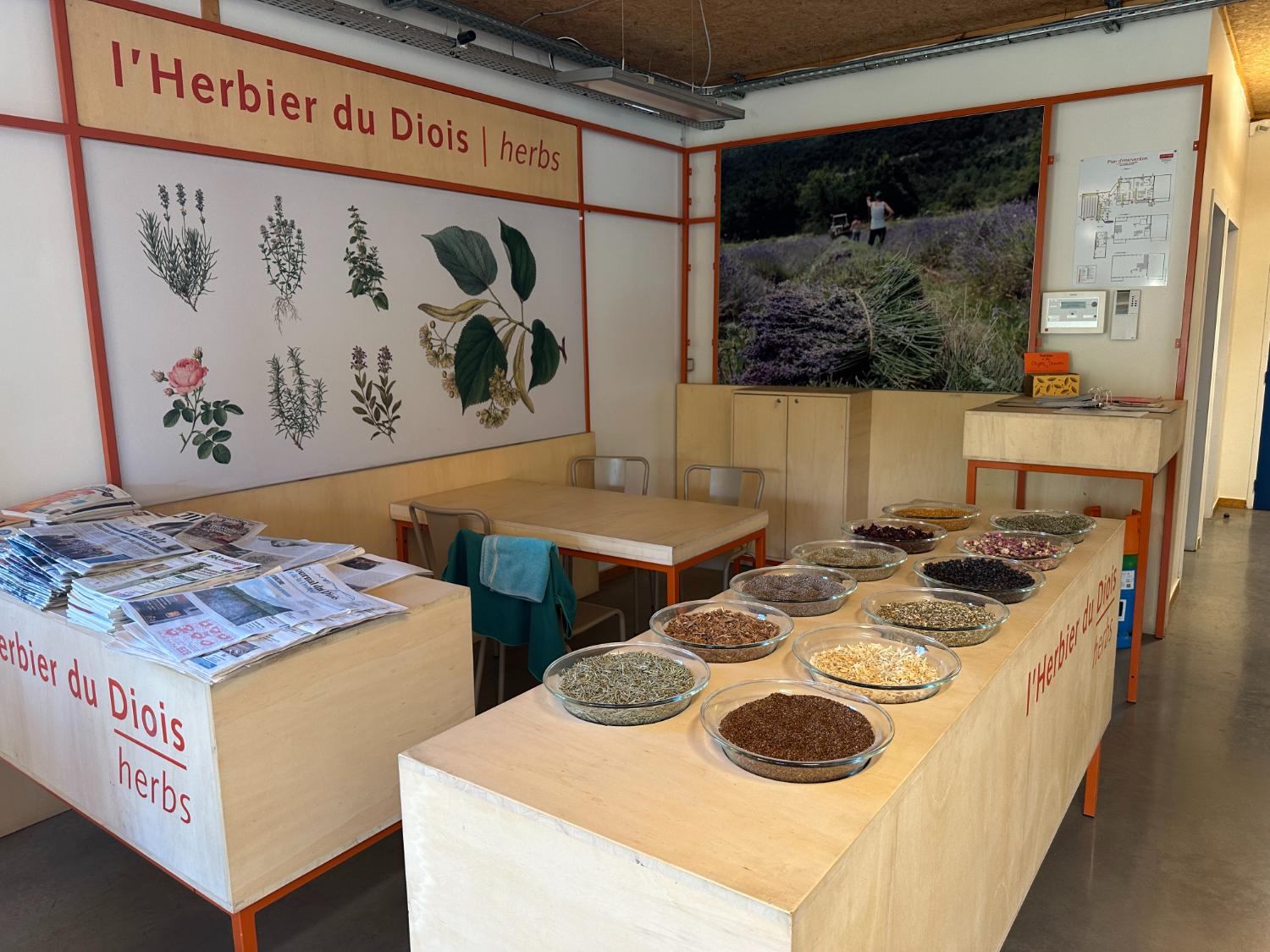
l’Herbier du Diois offers over 350 aromatic and medicinal herbs, spices and teas exclusively from organic farming. Founded over forty years ago, the company is now run by the second generation, Tijlbert Vink.
From the beginning his parents were committed to organic farming. Tijlbert wanted to grow the business so they could support more French farmers in the region. He also wanted to bring the vision and values of organic farming to the manufacturing side. What would a building look like if was built on these principals, if seeing the building was like seeing a built version of nice organic field?
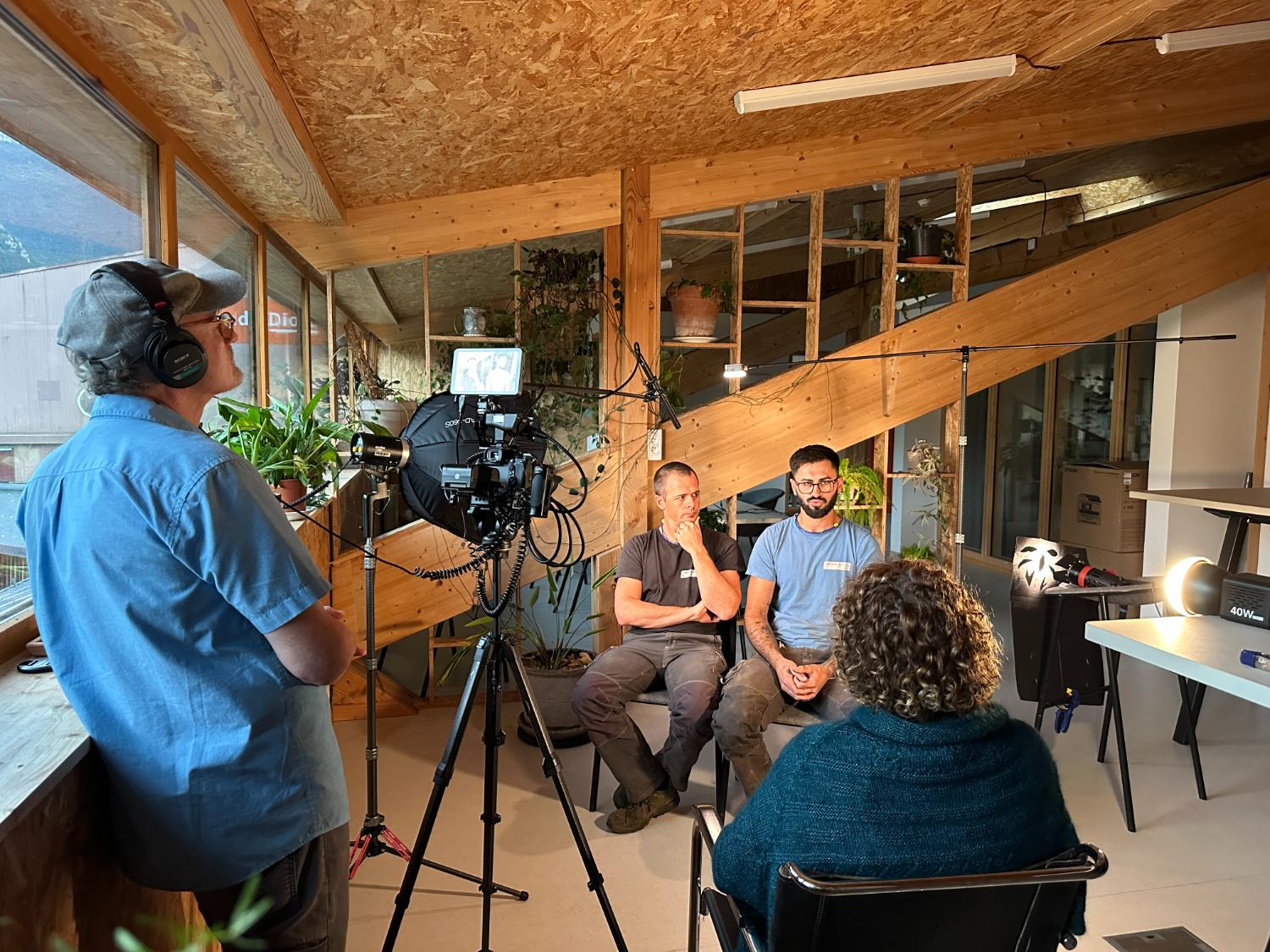
I’d heard of l’Herbier several years earlier when I was looking for suppliers of high quality organic herbs who might be interested in participating in the Sustainable Herbs Initiative work. A year or so ago, I asked Taylor Clayton, then Head of Sustainability at Traditional Medicinals, where he would go on an SHI Learning Journey. Without hesitating, he said, “l’Herbier du Diois.” Their processing and drying facilities and their commitment to sustainability was the most impressive he had seen, he said. And so, since I was in Europe for GA Workshop on Sustainability and Quality in the Herbal Products Industry, I decided to also include a short visit to l’Herbier with SHI Media Director, Terry Youk, to film a short video on the company.
l’Herbier’s Customers
L’Herbier sells over 350 aromatic and medicinal plants, spices, and teas sourced exclusively from organic farming. For more than forty years, they have maintained relationships with their producers and have customers around the world who purchase their herbs. Their customers come to them for different reasons, Hélène Wostyn, head of International Sales and our host during our visit, explained.
Some are looking for French origin material. Some are looking for the price. Others are looking to see if the botanicals they need are in stock. Many are looking for their values. They come to them because of l’Herbier’s sourcing practices, the fact that they know where the herbs they buy are from and have long term relationships with the farmers and collectors. They also come to them because they care about the investments the company makes in sustainability and their long term commitment to having a positive impact on the planet.
Power of Intention
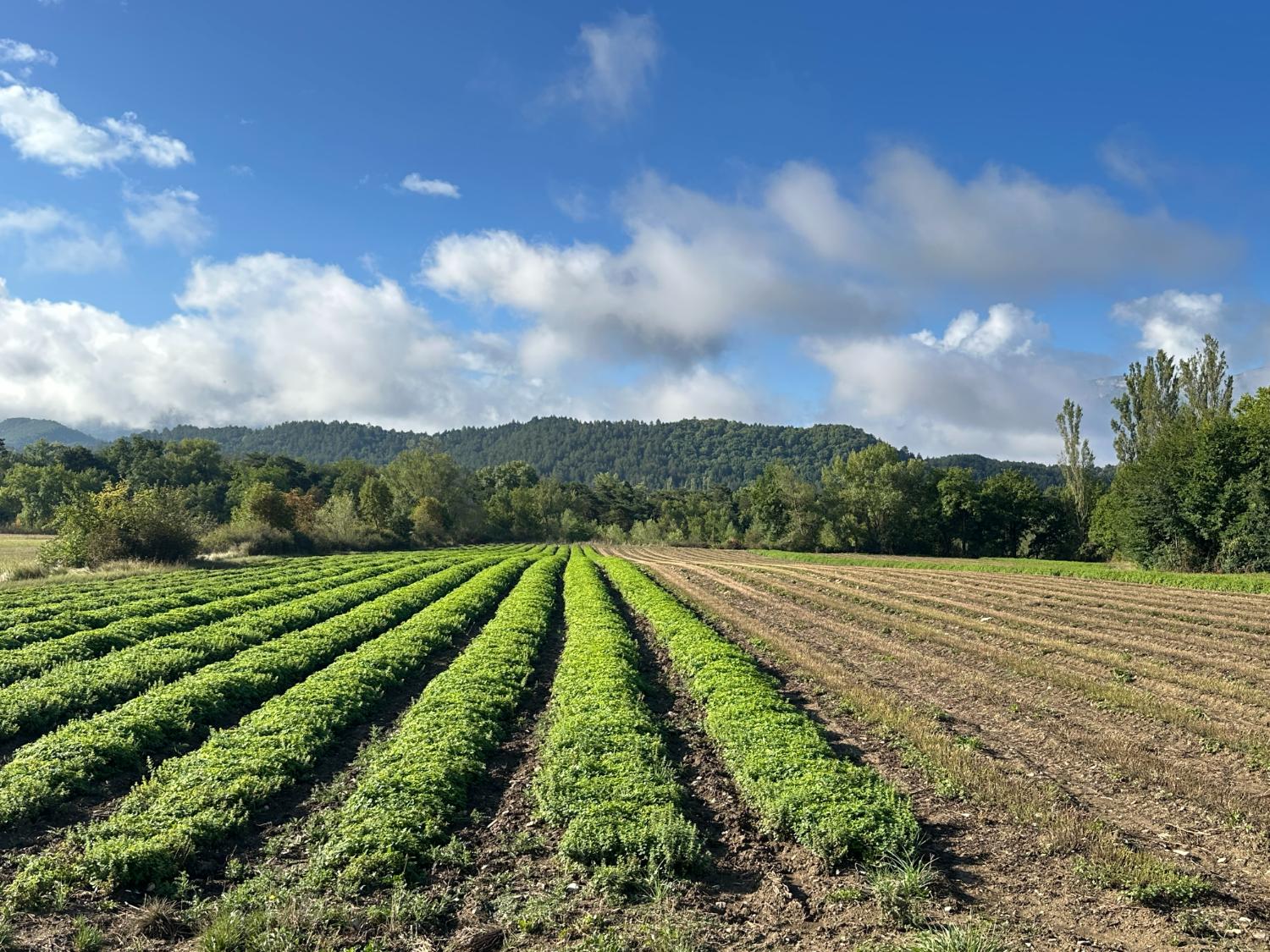
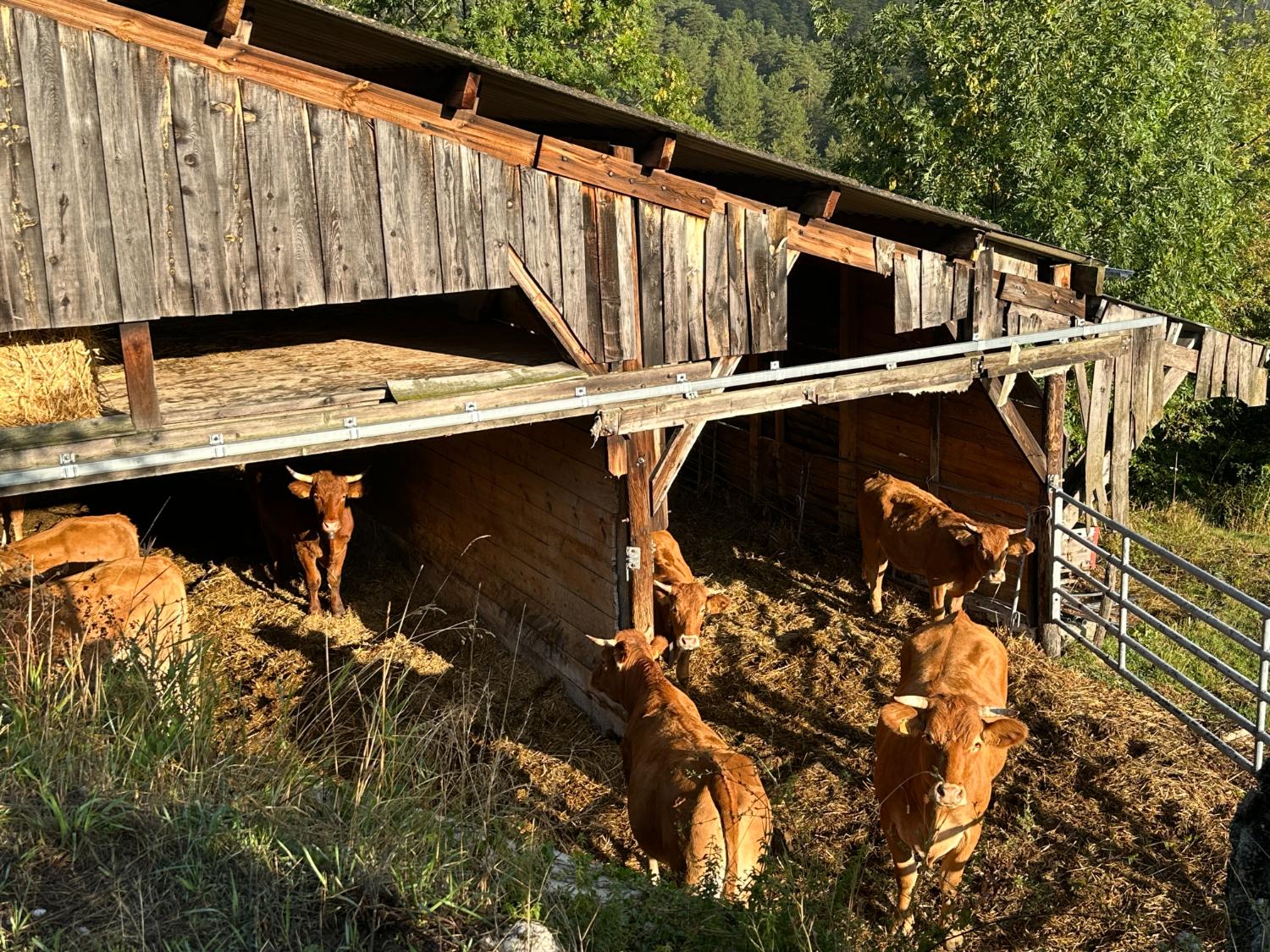
I was impressed and inspired by so much on our visit to l’Herbier du Diois. I was impressed by the scope of the vision and how that vision was expressed in so many details, from energy use to how the herbs are handled and the employees treated to the decision to purchase a nearby farm in order to close the loop of having manure to fertilize their fields. The list goes on and we will share more in the completed video.
I’ve never visited a processing center with so much intention. And I’ve never visited any company where so much thought is put into rethinking basic concepts that most companies take as a given. In constructing the new building, Tijlbert and his team considered cost not just in financial terms. They considered the human cost, the energy cost, as well as the financial cost. And in considering that cost, they considered not just the short term financial cost, but the long term costs as well.
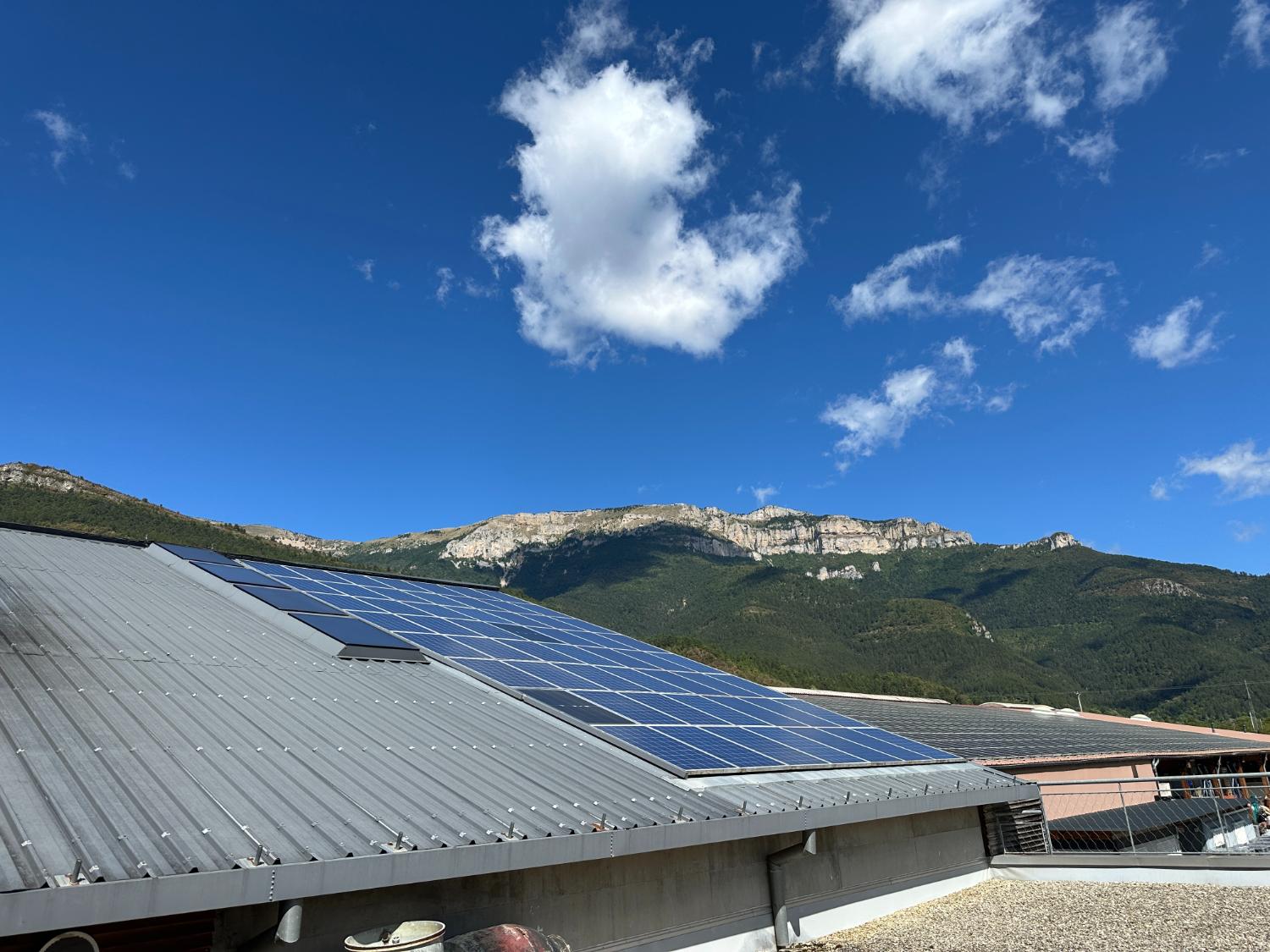
Or another example. Because reducing their energy impact is a primary goal, they question the pressure for speed in drying. By going a bit slower, they are able to save energy, which saves money and, by drying at lower heats, maintains the quality of the herbs.
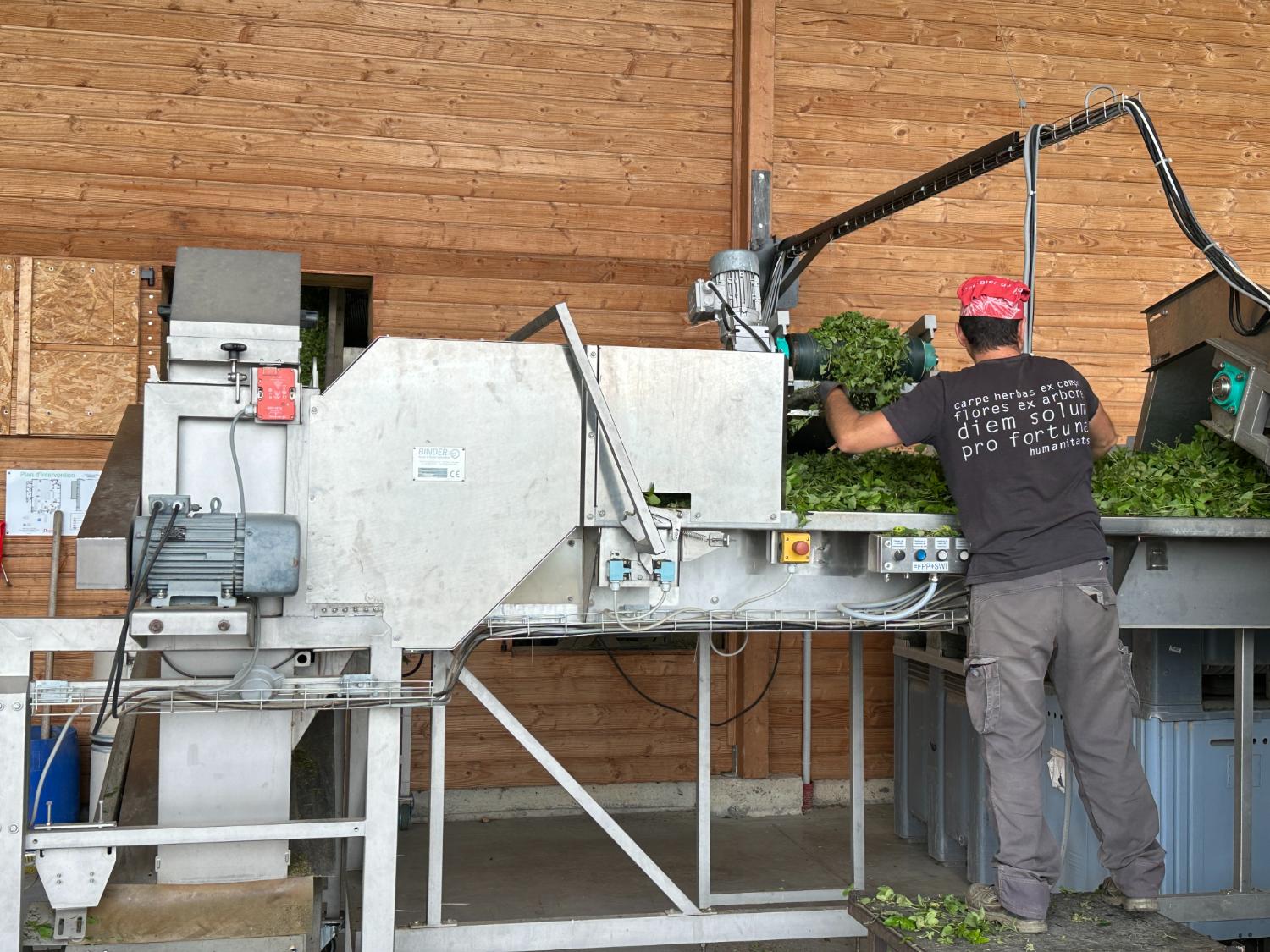
Intention goes into the experience for employees as well, even those working in processing, wanting to ensure that they can not only do their job well but also have the opportunity to continue to grow so that the work stays meaningful. They use machines to move the herbs. This means fewer people touching the herbs which means the products have lower risks for micro-contamination. And less lifting means less burden on people’s basks.
Again, this list goes on.
A systems view informs each decision. As a result l’Herbier is a powerful model for what a regenerative model for processing centers might look like. SHI is organizing a Learning Journey to l’Herbier in the spring of 2026 to explore this model more deeply.
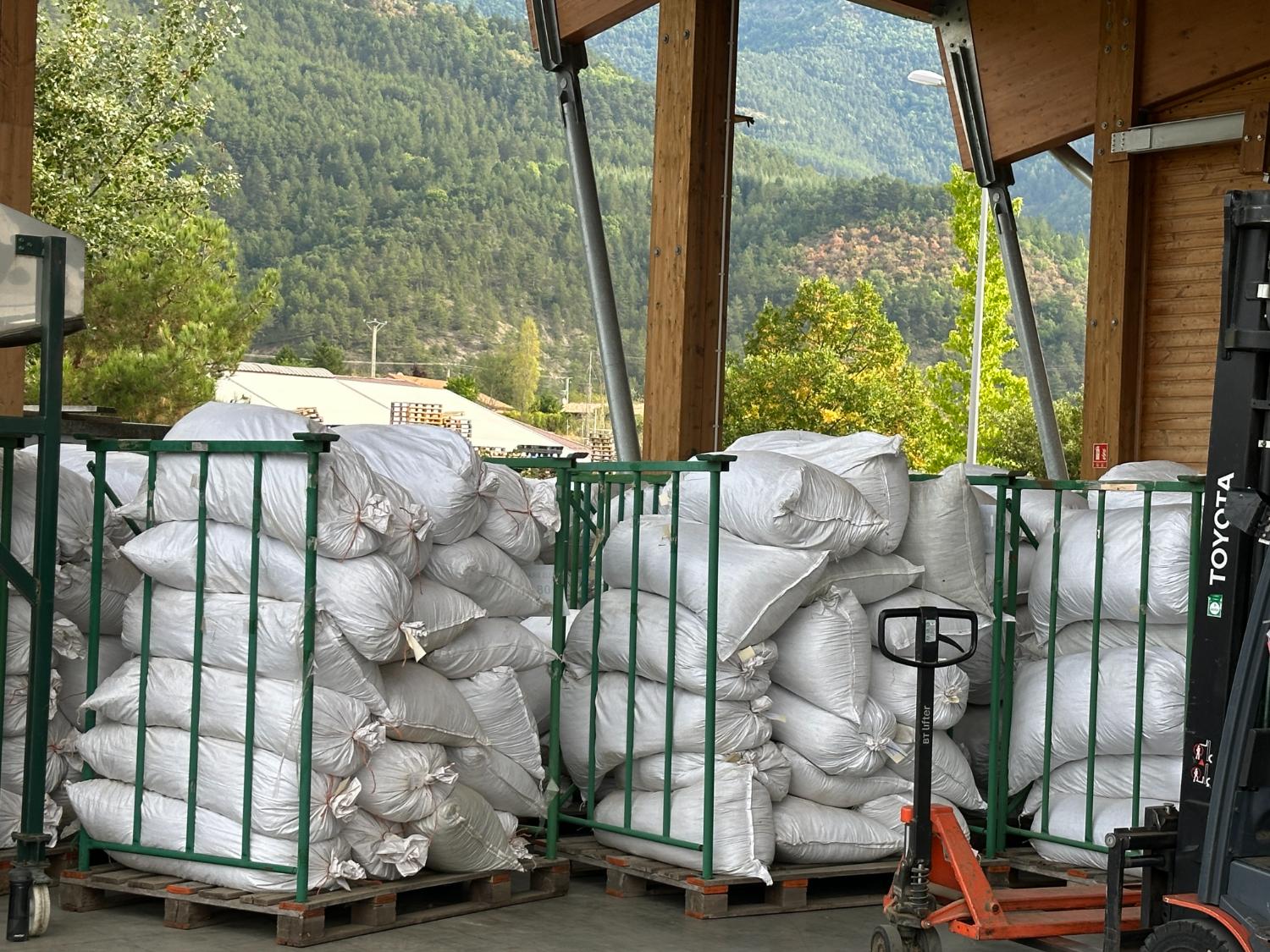
We will be sharing more in the next month or two about our visit. Below are some photos.