Growers
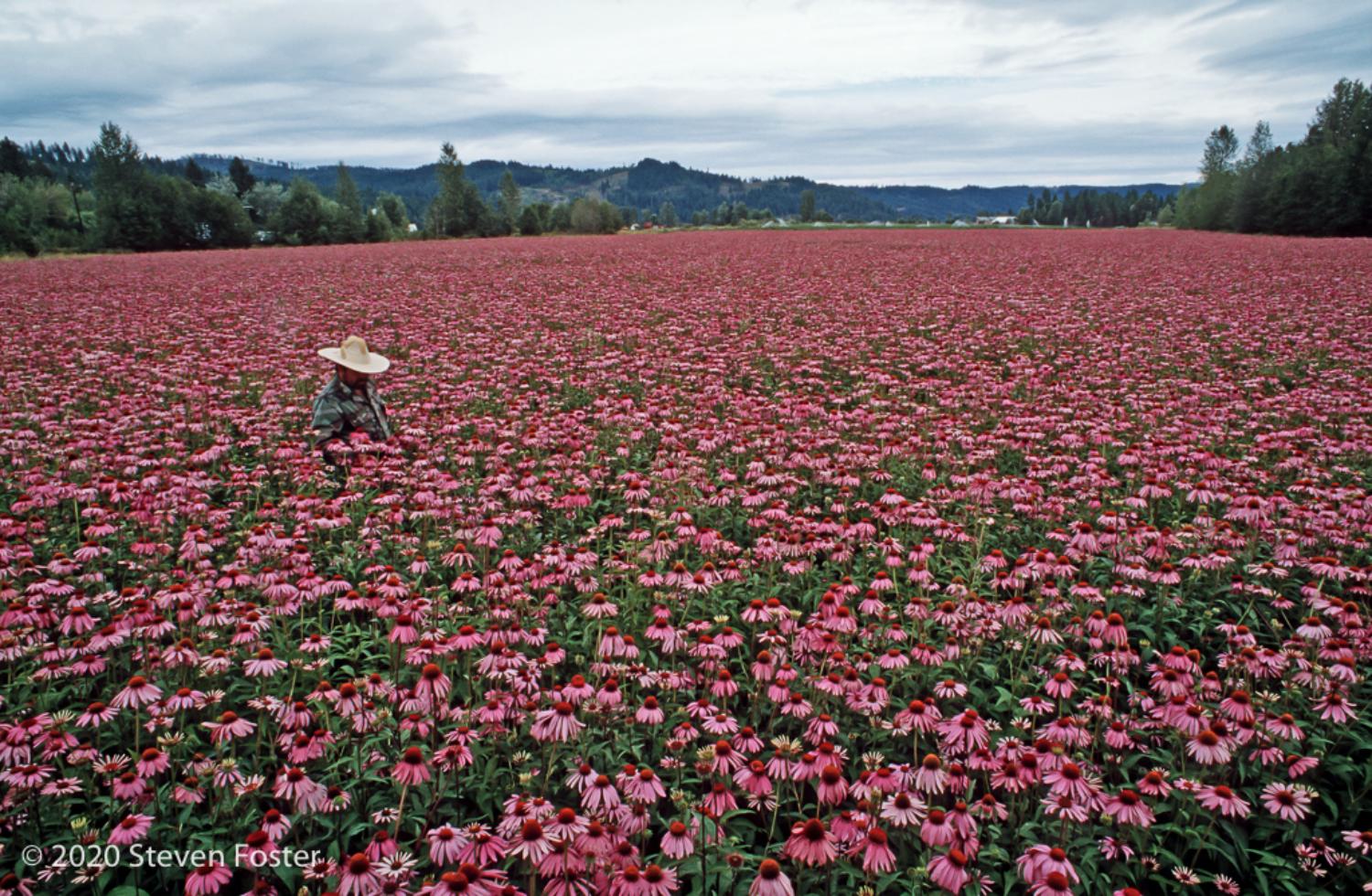
Who grows your herbs?
Who grows your herbs?
It can be hard to imagine the hands that sowed the seeds and tended the earth alongside the medicinal plants as they grew. Yet every herbal product makes a journey from soil to shelf.
At SHI, we believe that healthy and sustainable herbs are grown with care for people and the environment. Human health is inextricably and fragilely bound to that of our planet. The health of the soil, and the landscapes where medicinal plants grow, directly influences their potency and properties. Therefore when buying herbal products made from cultivated plants, your choices help determine the imprint they leave on the natural environment as well as their medicinal quality.
Contextualizing Questions and Answers
Q : How many herbs are cultivated?
A: Recent research has found at least 3200 species in commercial cultivation. These numbers include all sizes of farms including small holders growing medicinal plants in their home gardens and selling those goods to the market.
Q : Are all cultivated herbs equal?
A : No. There are vast differences in how herbs are grown and their impacts on farmer health, soil health, biodiversity, emissions and more. Those impacts directly impact the quality of the finished product.
Q: What are the important questions to ask in buy cultivated herbs?
A : How have the plants been grown? Are they grown in huge mono-cropped fields and sprayed with pesticides? If they aren’t certified organic, what are the farming practices and what are their impacts. See the SHI Buyer’s Guide.
Q: What about fairness and equity?
A : Fair certifications aren’t perfect. But they are a way to begin making sure that those growing herbs receive a fair wage. Find out more here.

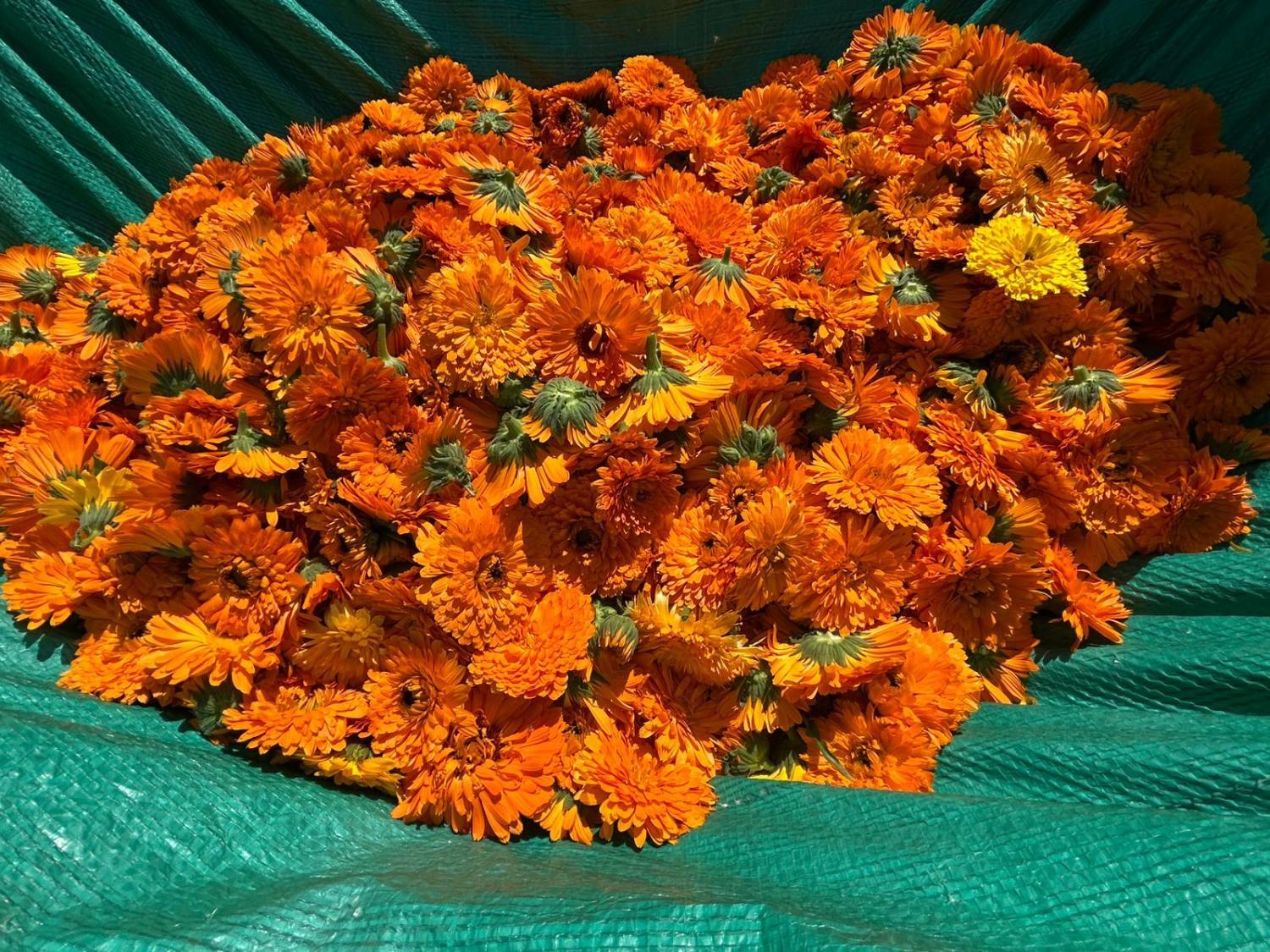
The Organic Difference
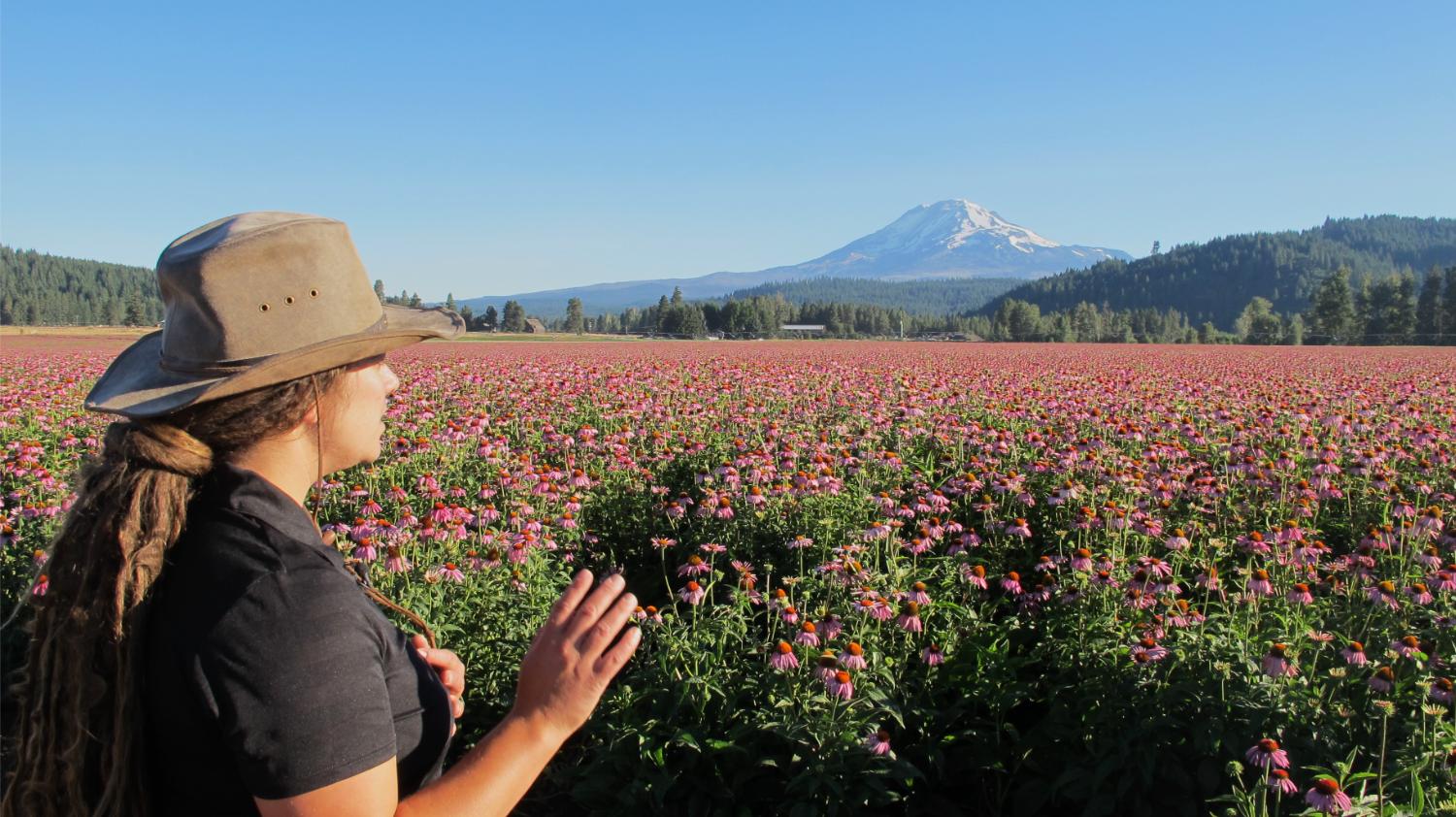
Currently, organic herbs represent just a fraction of the $8 billion herbal supplement industry. Yet choosing organic has impacts far beyond avoiding pesticides: it protects workers, supports biodiversity, and often yields more potent medicinal compounds.
The future of herbal medicine depends on sustainable practices that honor both the plants and the people who tend them. As you choose herbal products, consider not just what you’re getting, but what kind of world you’re supporting.
What is Regenerative Organic?
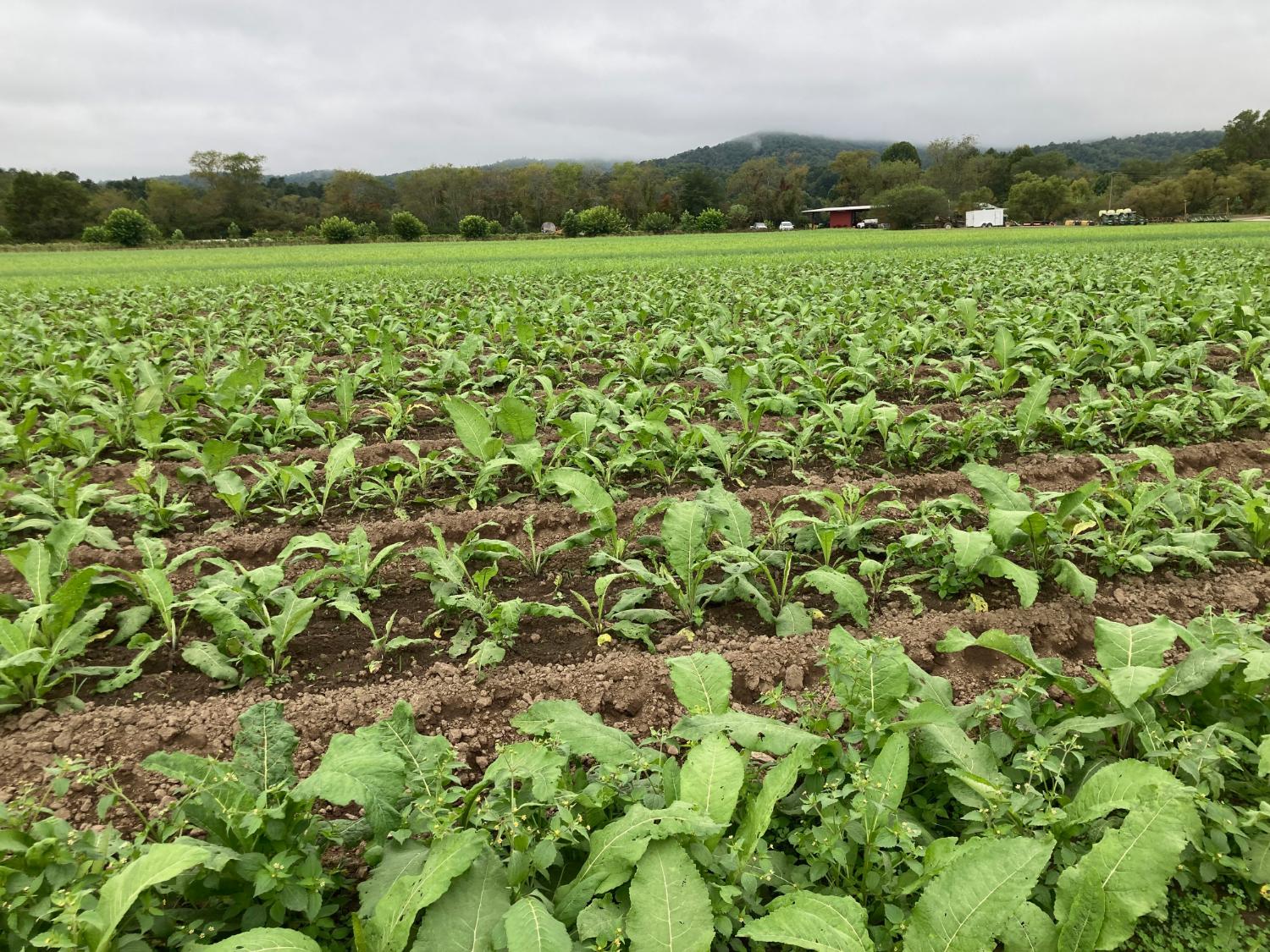
Regenerative agriculture is a return to what organic was originally all about – rebuilding topsoil, protecting biodiversity, empowering farming communities. Caring for the soil is at the heart of regenerative agriculture. Healthier soil percolates water better and makes more nutrients accessible, which improves the ability of that soil to grow crops. Well-managed soils also have an extraordinary capacity to absorb and hold carbon.
Types of Medicinal Plant Farmers

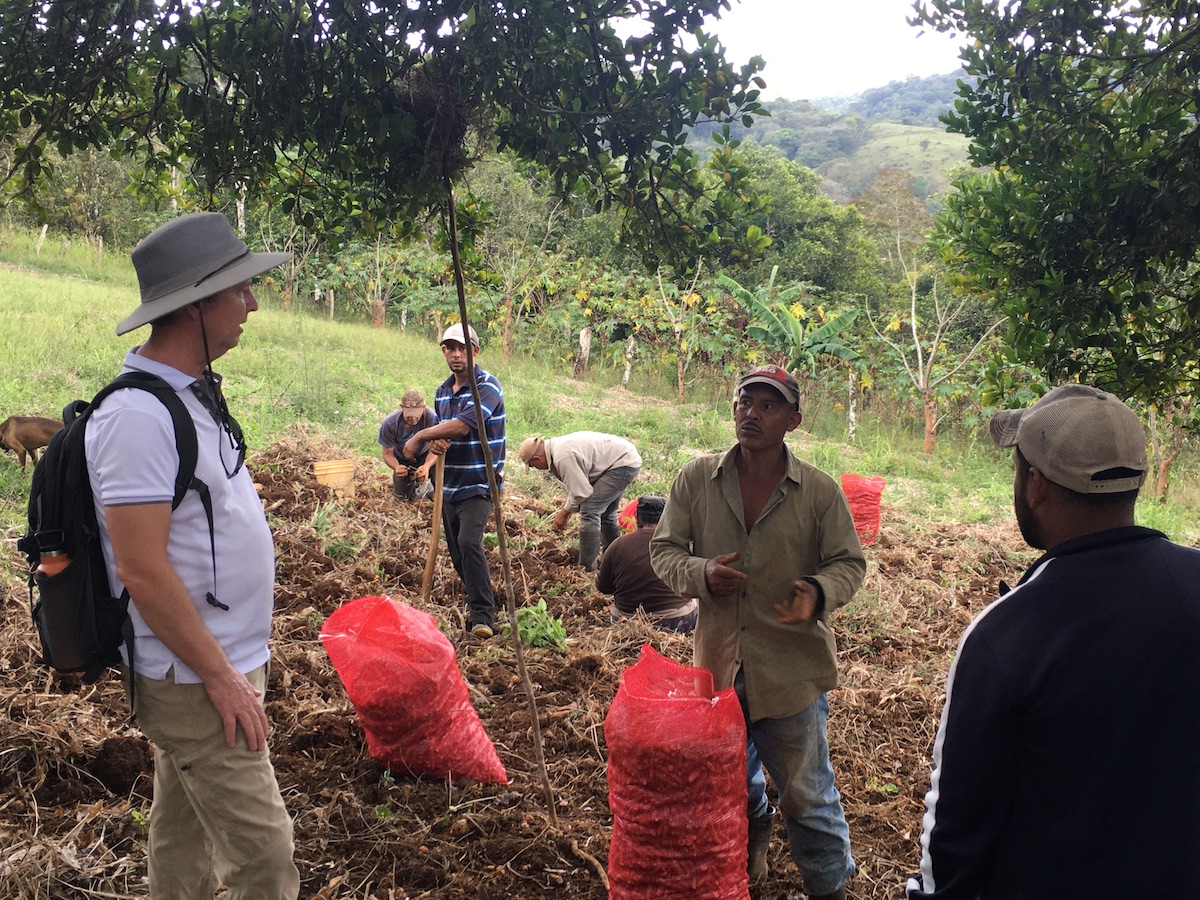
Smallholder farmers
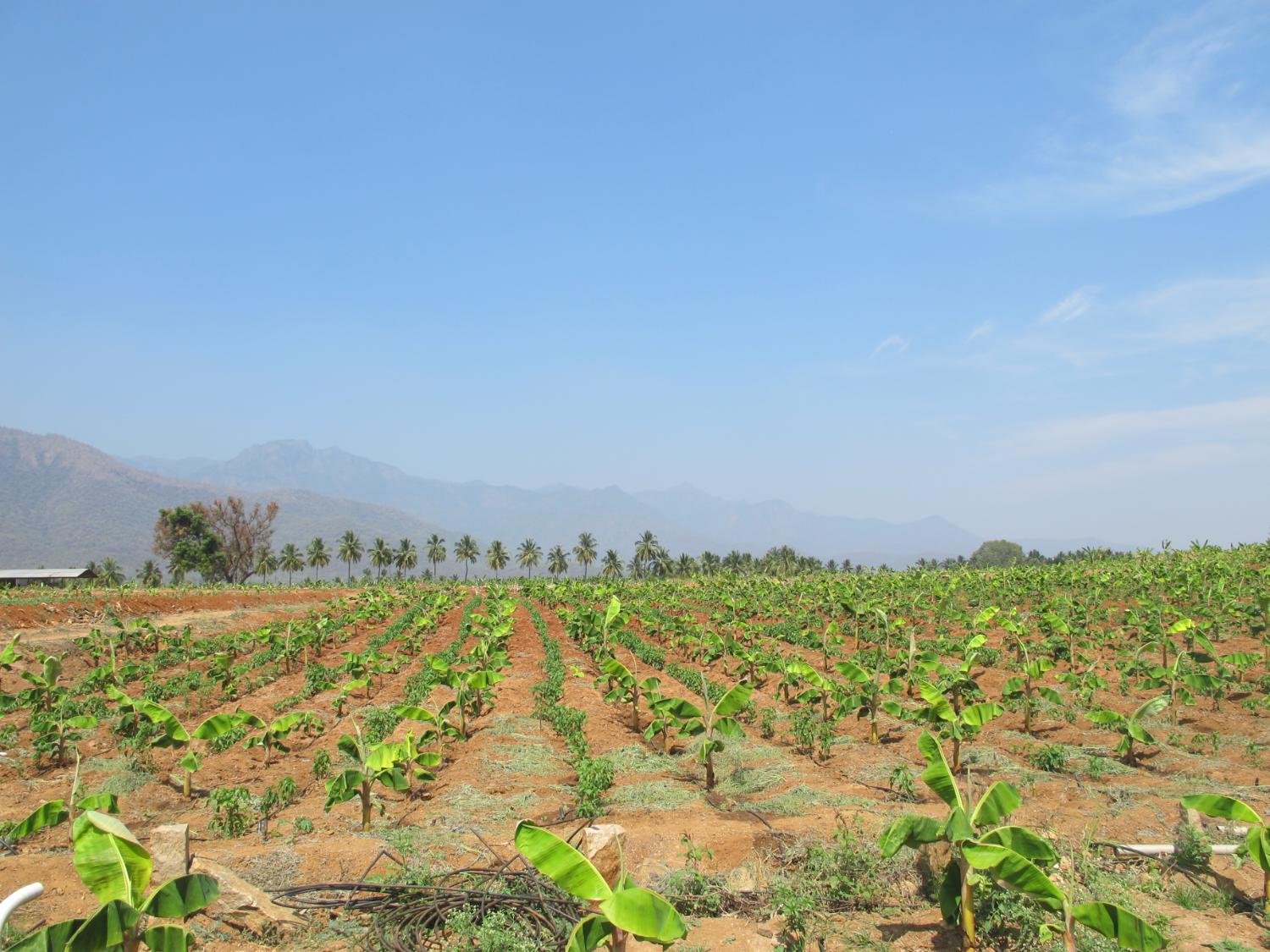
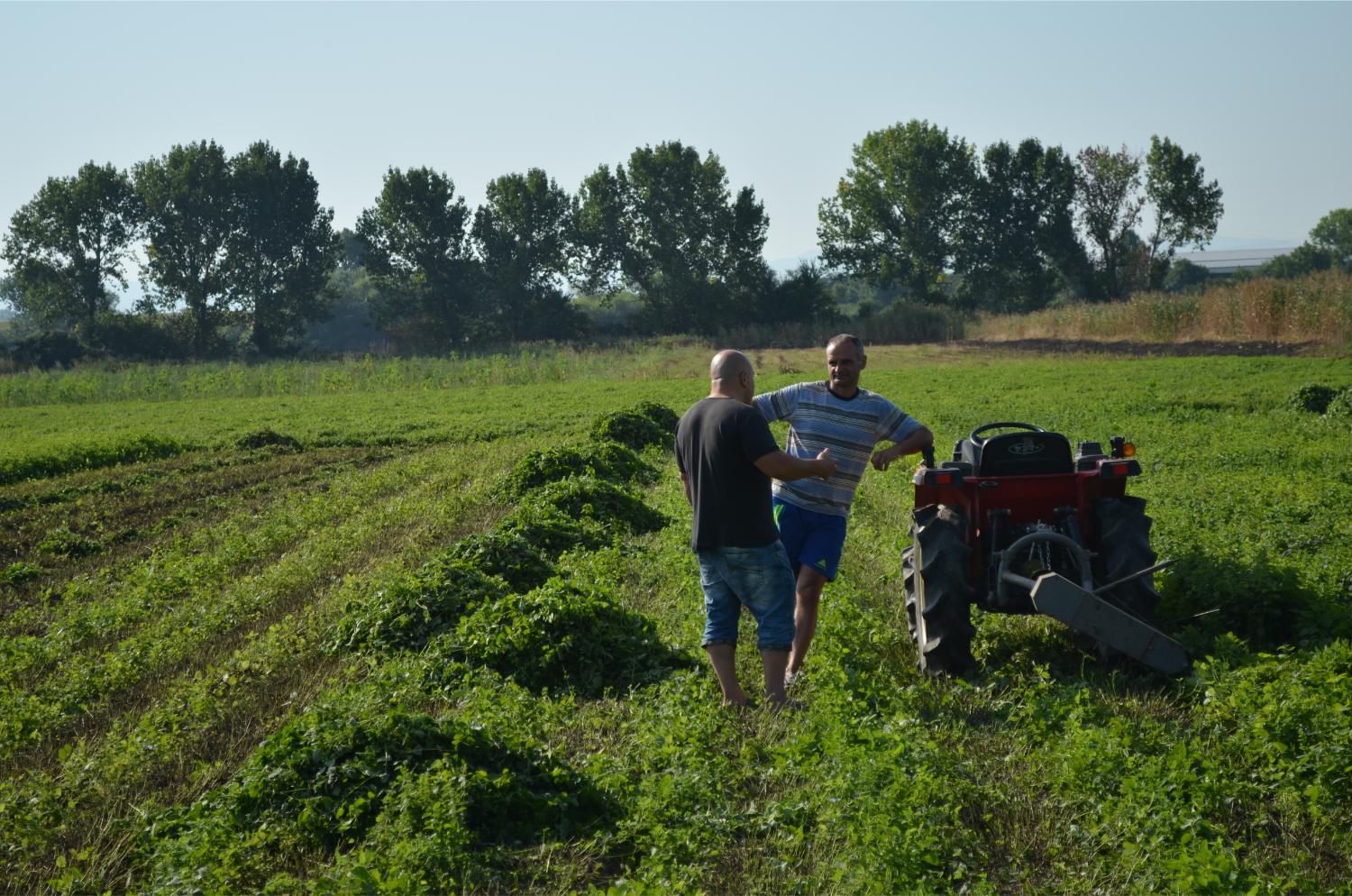
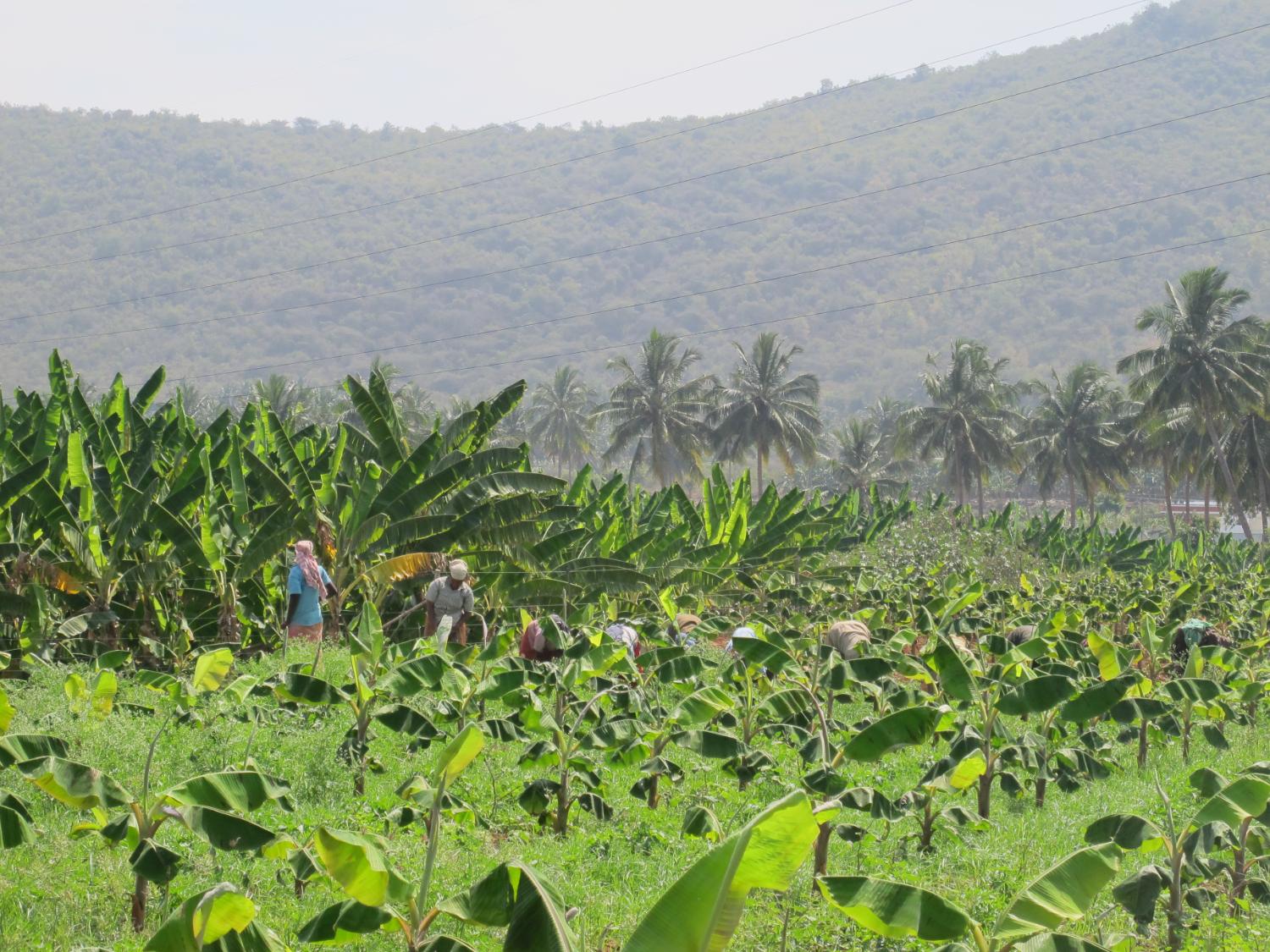
These farmers typically partner with regional processing companies, growing specific herbs under contract.
Learn more:
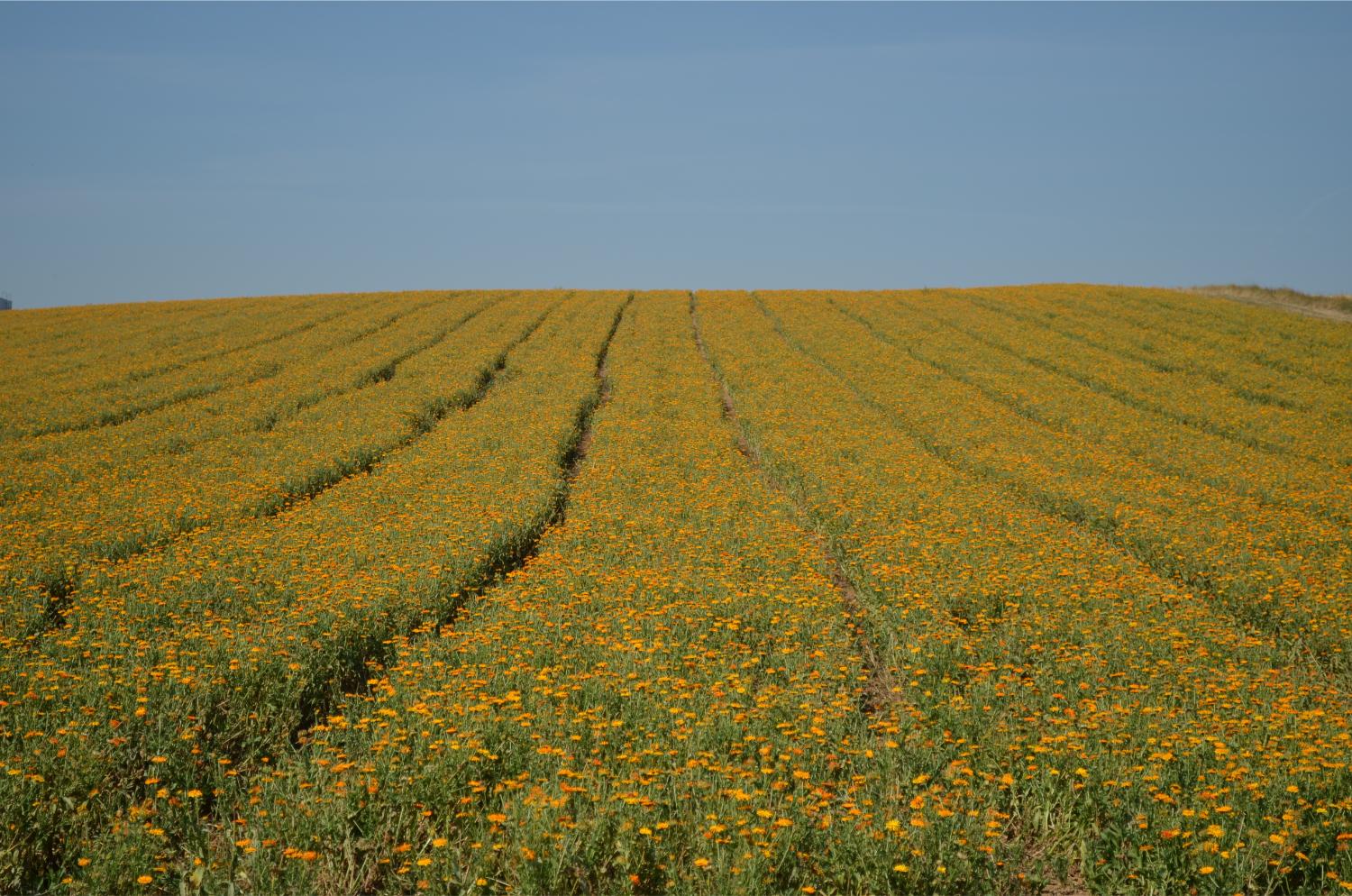
Larger Operations
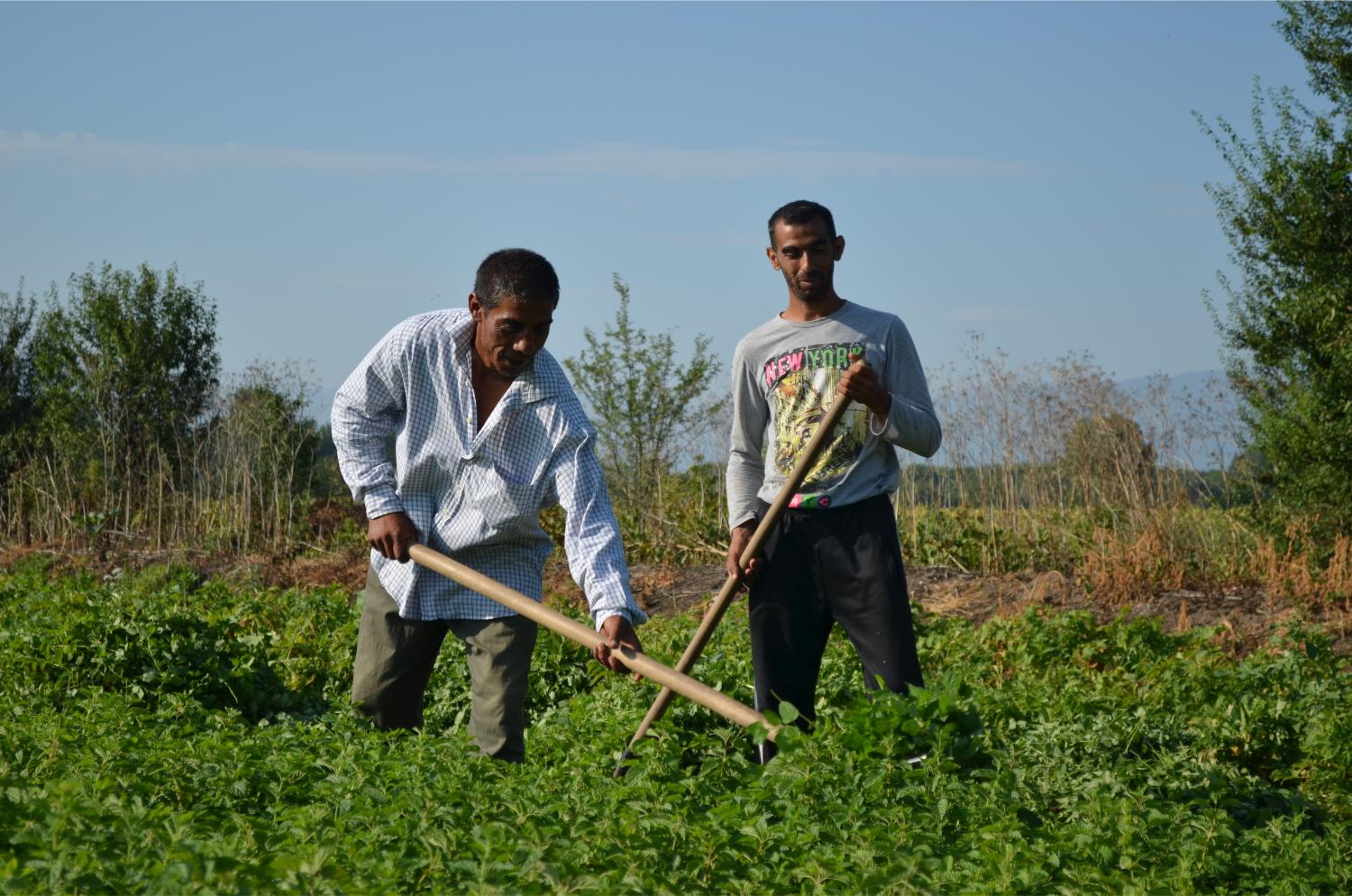
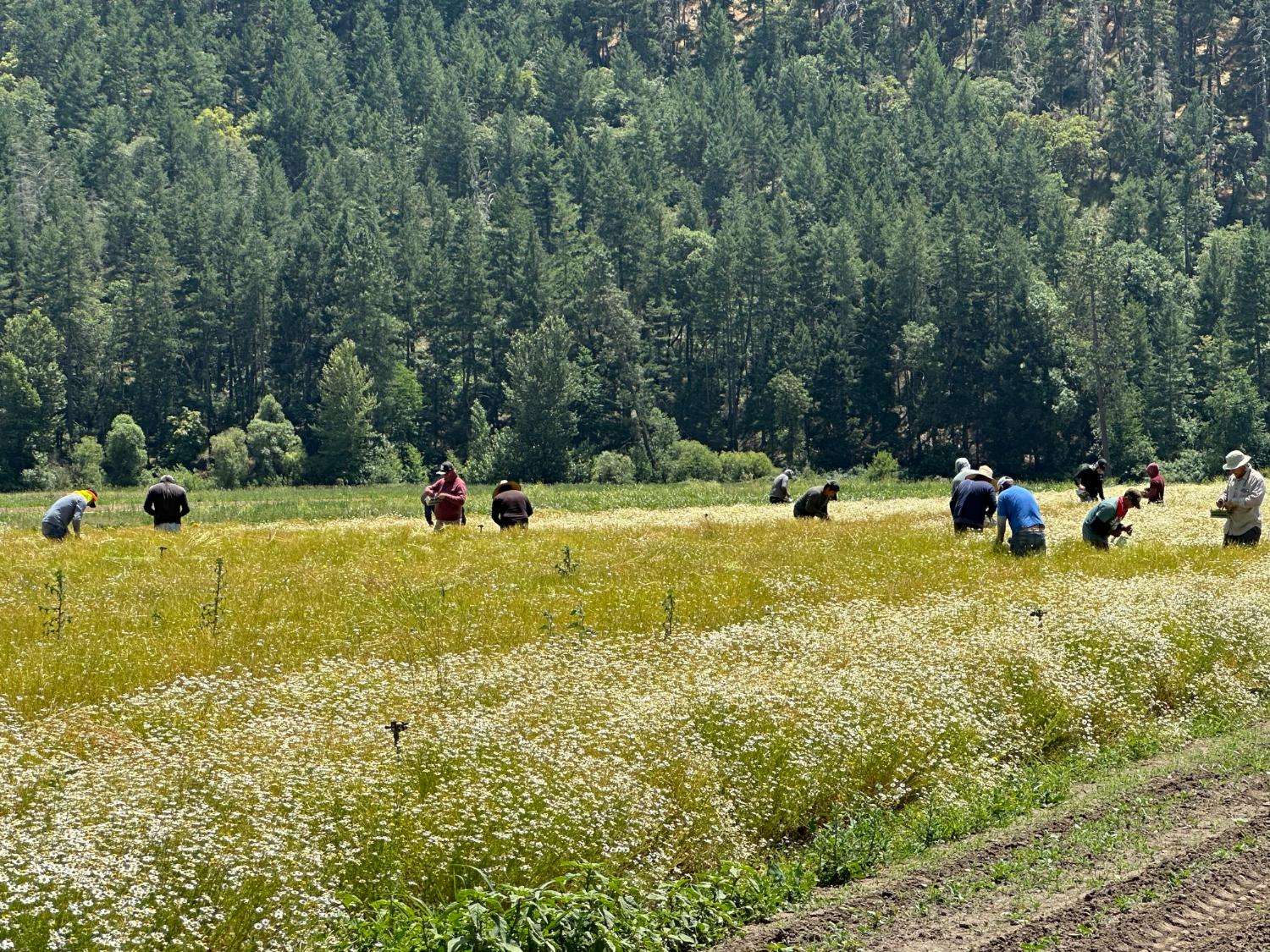
Larger landowners employ workers for planting, weeding, and harvesting, often contracting with processing facilities for post-harvest handling.
Learn more:
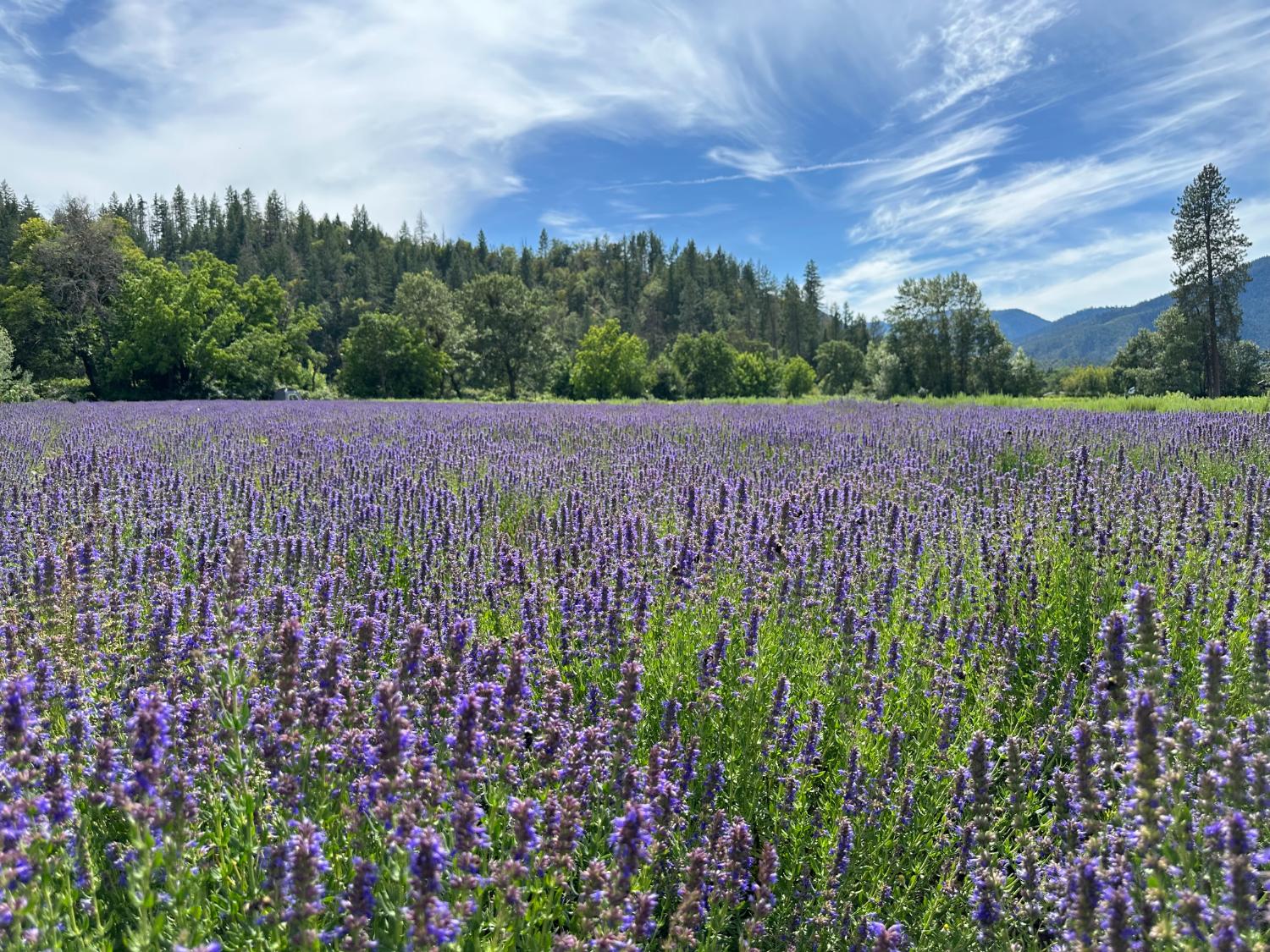
Direct-to-Market Farmers
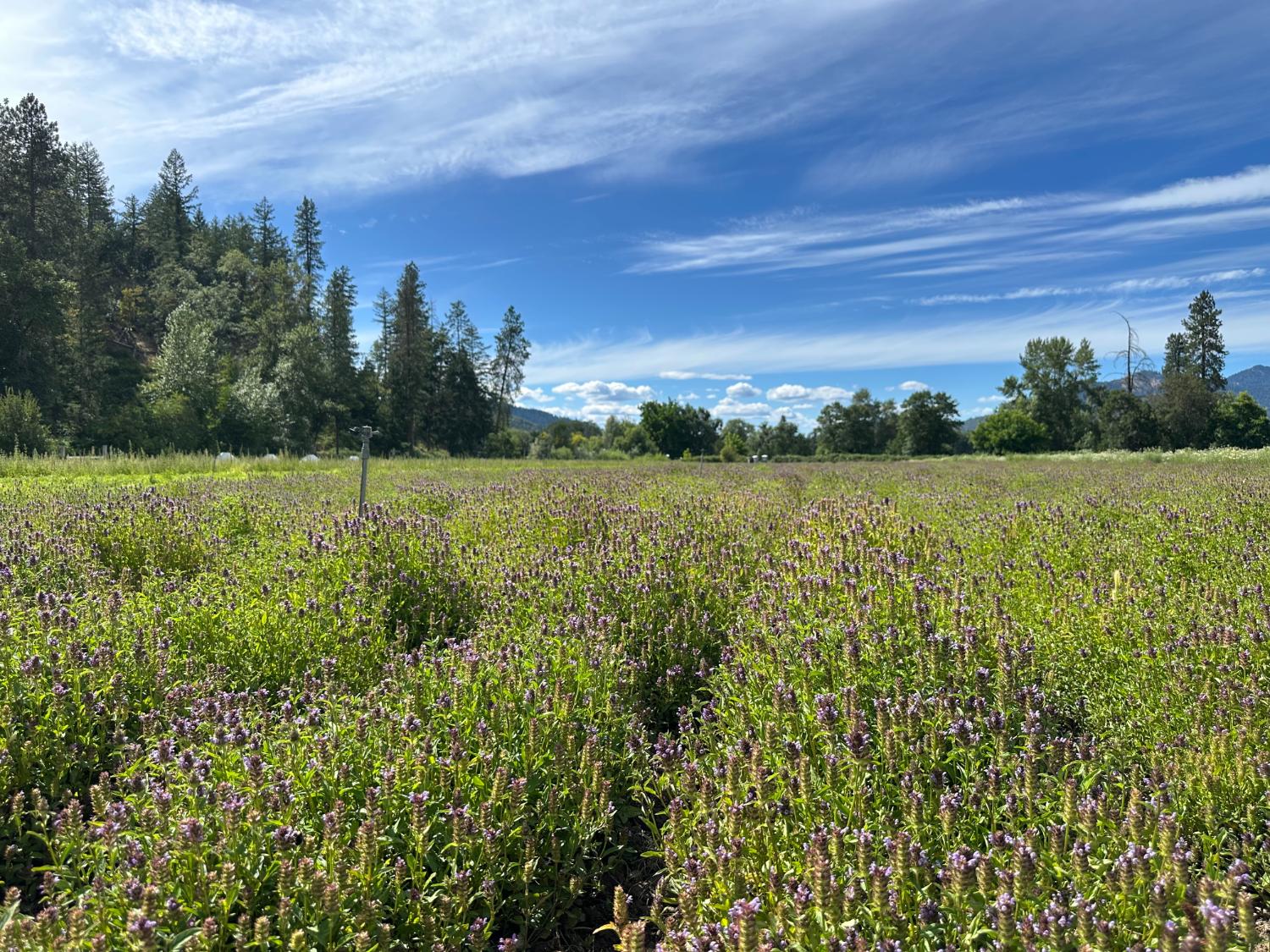
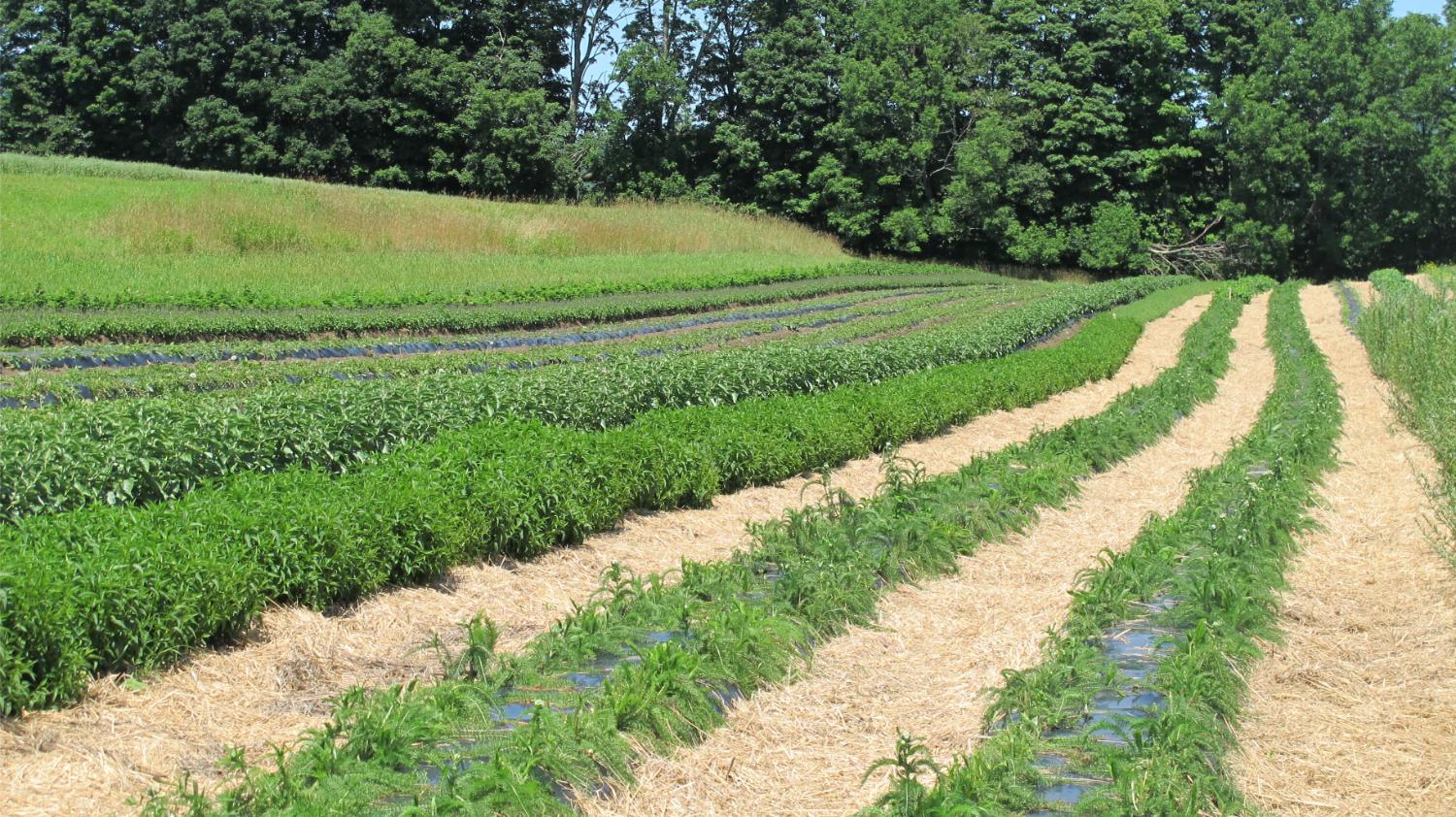
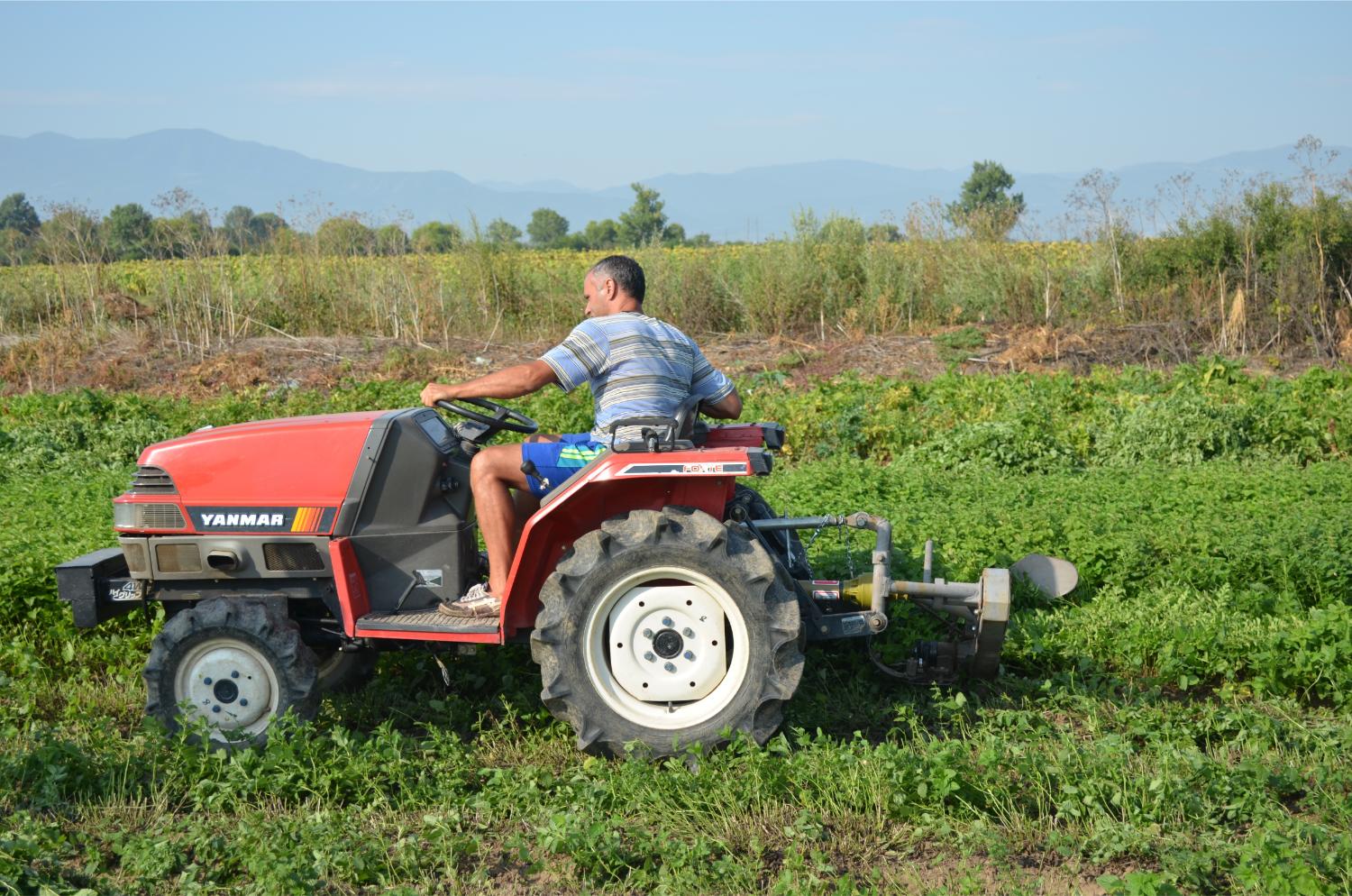
Common in developed countries, farmers handle their own processing and sell directly to customers or herb companies. They often create value-added products alongside raw materials, maintaining more control over their business model.