Primary Processing – Willow’s Copy

It’s simple. If a plant has purple flowers at harvest,
those flowers should still be purple after drying.
If not, something is wrong.
– Peg Shafer, Chinese medicinal herb grower
Meet the primary processors
To better understand the journey herbs take from source to our shelves, SHI has visited many primary processors. This film comes from a visit to Phalada Agro in India in 2017. Though the actual practices followed by Phalada likely have changed since then, this video still shows the different steps and the many people involved in processing ginger. It begins with sacks being unloaded from the farms, ready for washing. It is then chopped and finally shade dried to produce its pungent flavor.
Processing herbs on an industrial scale
The scale of industrial herb processing can be overwhelming. Imagine yourself in a vast warehouse, thrumming with machinery, dust in the air and tons of herbs being processed every day. It is a very different image to the one many people have of the herbs in their tea. Yet this is the reality of industrial herb processing at scale.
This film takes us around Runo Spólka processing facilities in Poland. Runo processes different medicinal plants, many of them organic and wild harvested.
Drying and Storage:
The Foundation of Quality
The drying and storage of herbs are critical to quality. Drying is key for any medicinal plant and it varies depending upon species, plant part, and where the plant grows. It takes skill to know the right temperature and drying time for each plant. If the drying temperature is too low, microbial levels and spoilage may increase. Conversely, if the temperature is too high, precious medicinal quality and flavors may be destroyed.
Once a plant is harvested, its constituents – and its medicinal properties – begins to degrade immediately. So it is vital that processing starts close to harvesting sites. Wild-harvested plants often begin their journey being dried in collectors’ homes before moving to larger facilities. Drying facilities vary dramatically in sophistication, from simple shade cloth setups in rural India to advanced industrial driers in Germany.
The storage method and location are equally crucial. Certified herbs must be kept in new sacks under controlled conditions. Processors are regularly audited to make sure that they are working in line with regulations. However, without such strict controls and monitoring, conventional market herbs can often end up in whatever containers are available including recycled cement sacks and shopping bags.
Storage facilities themselves range from basic warehouses with minimal controls to sophisticated temperature-controlled environments with comprehensive pest management systems.
All successful operations, large or small, maintain precise tracking systems and rigorous quality control measures. Proper labelling is especially critical for certified herbs, requiring detailed information about species, origin, harvest date, and quantity.
Regenerative models of processing
Even in the dust and din of machinery and the impressive volume of industrial herb processing, it is still possible to find plenty of examples of regenerative practice and thinking.
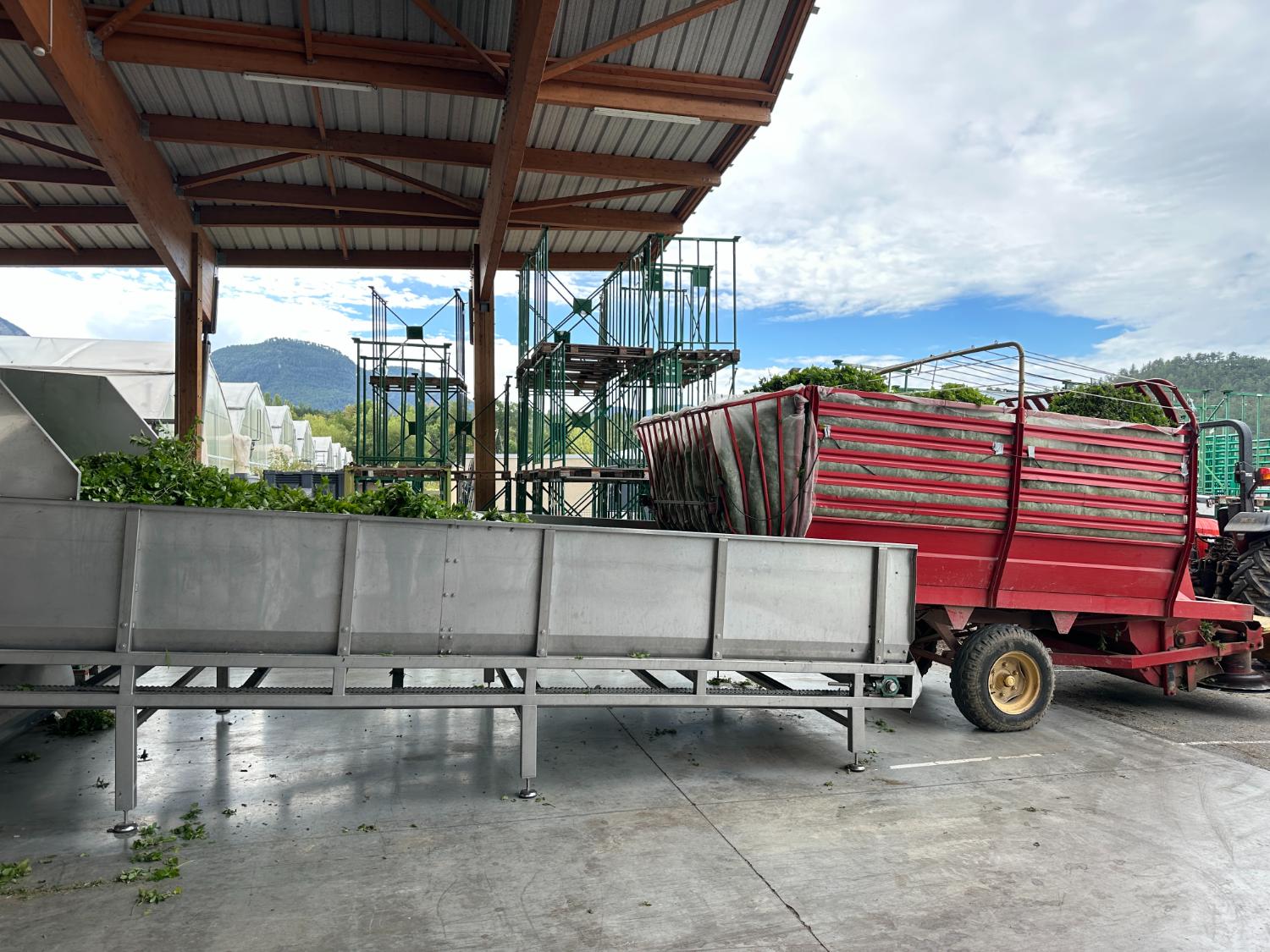
On a recent trip to l’Herbier du Diois in Southern France, SHI saw first hand what it means to be a primary processor with a long term vision that incorporates environmental, human and financial costs. When systems led thinking is woven into the fabric of a business, it shapes all decision making. It can be seen in every detail – from the way the fields are fertilised and the herbs are handled to the energy created and consumed.
Impressively, this approach supports and improves the quality of the medicinal plants processed alongside the health and wellbeing of the employees, soil and wider natural ecosystems.
Read more about SHI’s visit to l’Herbier du Diois in 2025 and the scope of their vision as a regenerative primary processor.
SHI Primary Processors working group
A key part of SHI’s work is to bring together stakeholders from across the supply chain. The Primary Processing group has members from around the world, from India to Peru. The monthly online meeting is an opportunity for participants to share and learn from each other.
Recently, the group has focussed on the hidden costs incurred within primary processing. These costs include sourcing material, certifications, investment, and support for farmers and harvesters, processing itself, testing and quality control. Other SHI members and supply chain stakeholders including brands and traders later joined in a discussion, enriching the group’s collaborative work with their own varying perspectives.
By raising awareness of the hidden costs of processing herbs, SHI is helping to increase transparency and encouraging us to see the real value of the plants in our herbal products.
Read more about this discussion on the hidden cost in herbal supply chains and the value of seeing double.