
Primary Processing

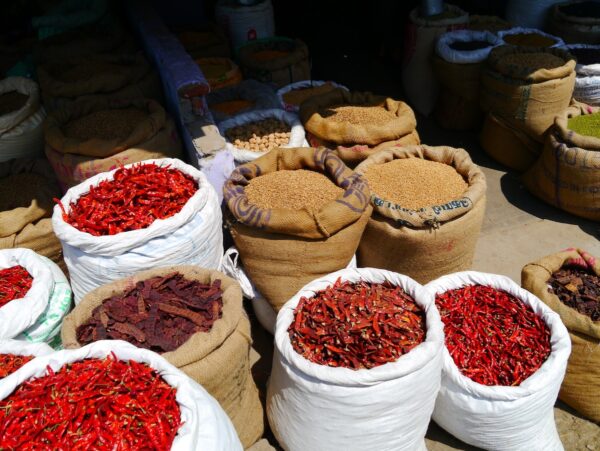
Processing: herbs wrapped in burlap sacks

Diving Deep

Primary processing is the make-or-break stage in maintaining herb quality. It often occurs in the country where the herbs are harvested or cultivated. The fundamental goal of primary processing is rapid product stabilization through drying or extraction, followed by properly controlled storage. As Chinese medicinal herb grower Peg Schafer puts it, “It’s simple. If a plant has purple flowers at harvest, those flowers should still be purple after drying. If not, something is wrong.” The process begins immediately after harvest, involving several crucial steps:
  • Washing, cutting, and initial preparation of the herbs
  • Drying and dehydration
  • Cleaning using specialized equipment
  • Sorting, grading, and inspection
  • Weighing and proper bagging
  • Disinfection when necessary (using methods like CO2 treatment)
While these steps might seem straightforward, executing them properly requires exceptional attention to detail. The drying and storage phases are particularly vulnerable points where quality can be compromised. Even perfectly harvested herbs can be ruined during drying, storage, handling, shipping, or sterilization.

The Challenge of Primary Processing

The scale of industrial herb processing can be overwhelming – imagine vast facilities filled with machinery, dust, and enormous quantities of herbs. Yet successful operations maintain precise tracking systems and rigorous quality control measures. Proper labeling is especially critical for certified herbs, requiring detailed information about species, origin, harvest date, and quantity.

Drying and Storage: The Foundation of Quality

Drying facilities vary dramatically in sophistication, from simple shade cloth setups in rural India to advanced industrial driers in Germany. The key is proximity to harvest sites, as plant constituents begin degrading immediately after collection. Wild-harvested plants often begin their journey being dried in collectors’ homes before moving to larger facilities. Storage conditions are equally crucial. Certified herbs must be stored in new sacks under controlled conditions. Conventional market herbs often end up in whatever containers are available – from recycled cement sacks to shopping bags. Storage facilities themselves range from basic warehouses with minimal controls to sophisticated temperature-controlled environments with comprehensive pest management systems.

Blog Posts Related to Primary Processing