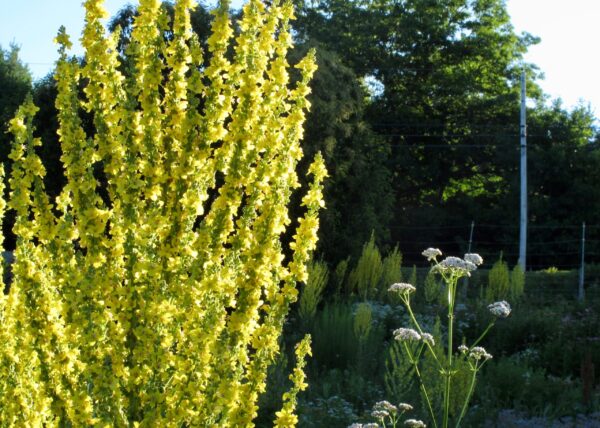
“The wood’s is my church.” Buckshot, Pikeville, TN
What’s at Stake?
- Biodiversity: Over 90 percent of plant species come from the wild. By volume, around two-thirds of the herbs in commerce are from the wild. 9% of assessed species are considered threatened with extinction (Schindler et al., 2022, ix)
- Social justice: Fair compensation for work is crucial. If collectors feel they are getting fair compensation, they are more likely to do a better job.
- Traditional Knowledge: As younger generations move to cities, traditional knowledge of plants and sustainable harvesting techniques is being lost.
Challenges to Wild Harvesting
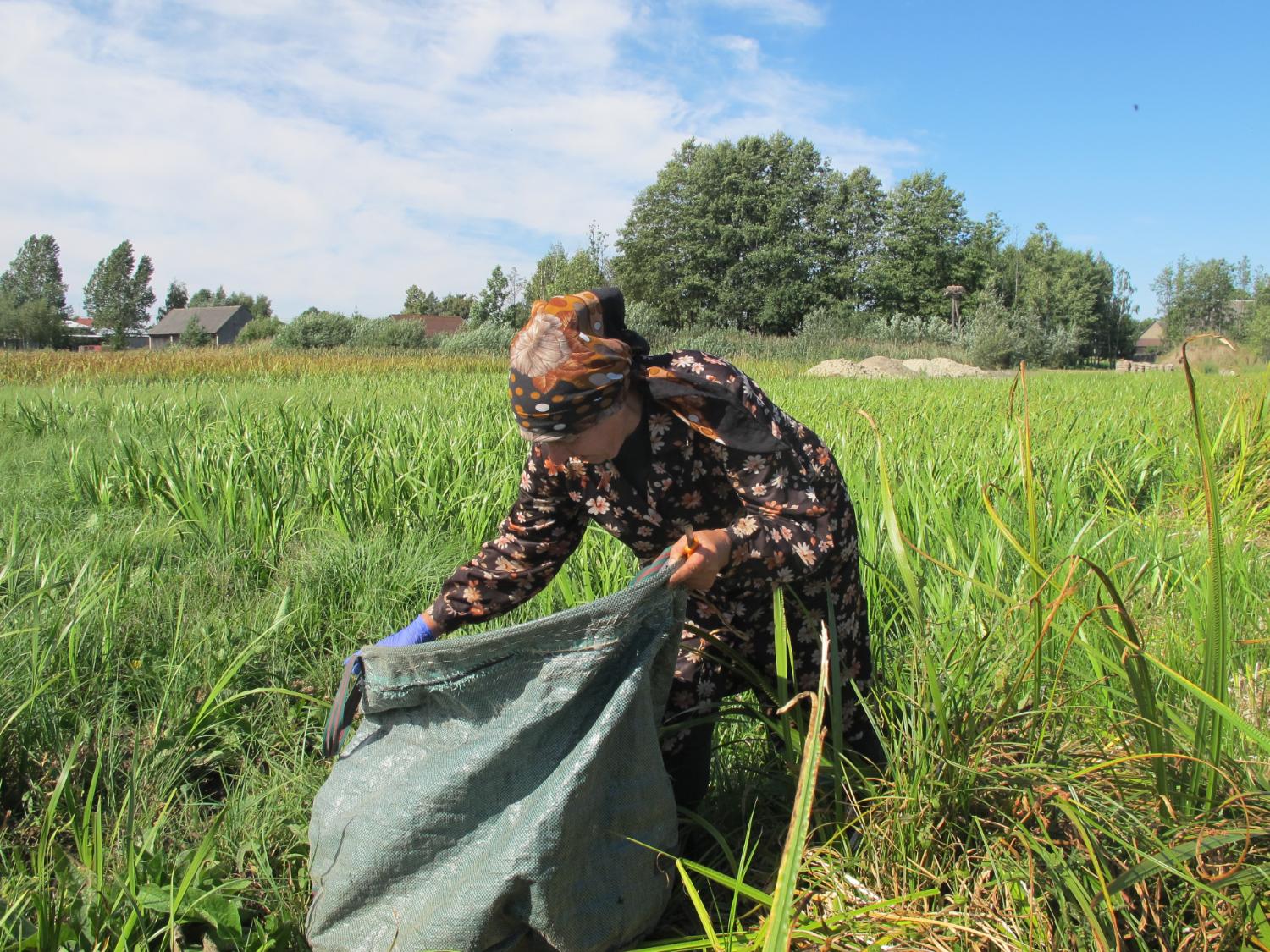
Wild-harvested medicinal plants play a crucial role in the global herbal products industry. Yet the communities responsible for their collection face significant ecological, economic, and social challenges.
Though wild harvesting communities are diverse, these communities and herbal products companies sourcing plants from these communities share common challenges around building sustainable livelihoods for collectors. These challenges include the need to diversify income streams to generate year-round income; to develop and implement ecologically sustainable harvesting techniques; to provide access to land; to bring more respect and recognition for this work, and more.
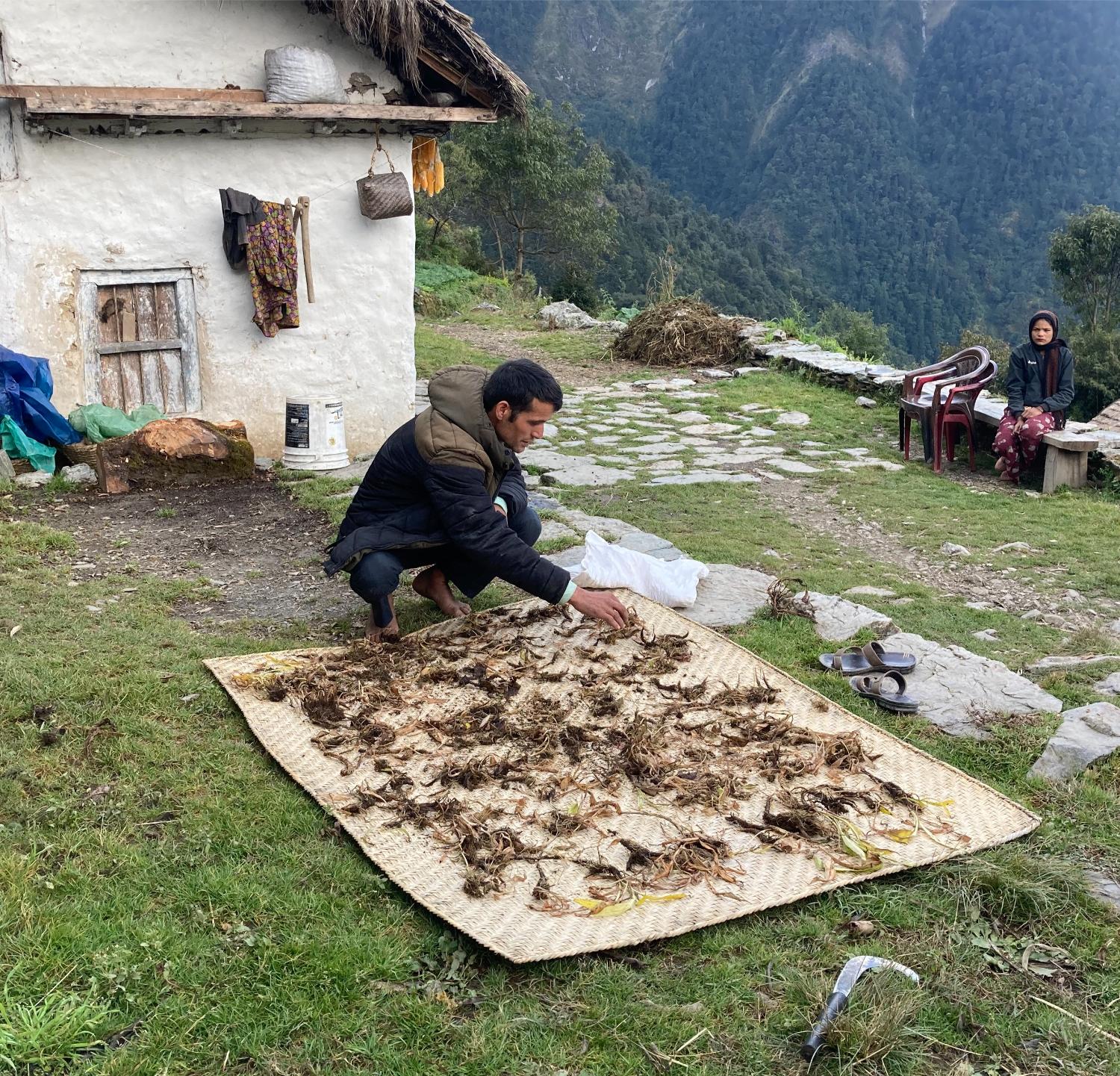
These communities have been confronted by many obstacles. Younger generations are moving to urban areas with more opportunities. Wild harvesting techniques, in particular, are typically built around generational knowledge that is passed down. This knowledge is lost as younger generations move away and older generations retire.
Short-sighted economics of resource extraction often promote environmentally unsustainable techniques. In the case of wild harvesting, this can lead to over-harvesting, adulteration, environmental disturbances, and unfair labor practices, all of which negatively impact the long term supply of the wild plants on which the herbal products industry depends.
Too often, these botanicals are taken from these regions with little return in terms of helping to build thriving local economies. Moreover, these communities are often isolated and lack information and resources, especially about what is occurring in wild harvesting communities in other regions of the world or further up the botanical value chain, even with botanicals they source themselves.
The Potential of Wild Harvesting
“People in rural areas have a unique role and privilege in maintaining biodiversity. We need to support them to do the extra work of maintaining these places, because those of us living in cities depend on them for survival.”
– Josef Brinckmann
In theory, wild harvesting presents a unique opportunity to protect biodiversity and support marginalized communities. By providing alternative income streams, it can help preserve natural habitats that might otherwise be converted to agricultural land or human settlements.
The sustainability of this trade depends on three critical factors:
- Maintaining healthy ecosystems;
- Making wild plant collection an attractive livelihood;
- Ensuring the health of harvested plant populations.
Too often these factors aren’t met in practice. Some reasons for this include:
- Price gaps between what wild harvesters and primary processing companies need to provide sustainably harvested botanicals and what the industry is able/willing to pay;
- Low quantities so that even if a buyer pays higher prices, the quantities are too small to have an impact;
- Changing ownership of buying companies which leads to shifting priorities and less investment in social and environmental sustainability.
Wild Harvester Stories
The SHI Wild Plants Working Group is documenting the stories of wild harvesters from around the world. Our goals are to document the diverse challenges faced in ethically sourcing wild medicinal plants across different cultural and ecological contexts and to share wild collectors’ narratives through the SHI website. You can read more about these stories here.