Sustainable Herbs Program Case Study Series #1
Rural Development through Turmeric and Ginger Farming in Nicaragua: A case study using the Community Capitals Framework
By Ann Armbrecht, SHP Director; Stephanie Kane, Global Sourcing Specialist, Gaia Herbs; and Jefferson Shriver, Co-Founder and CEO, Doselva.
Introduction
This Case Study uses the Community Capitals Framework (CCF), which looks at supporting community development through seven capitals. It is part of the Sustainable Herbs Program Learning Lab series. The purpose is to find a framework that captures the multi-dimensional nature of community life and the ways participating in the supply network of botanicals impacts that multi-dimensional context. This first case study is presented as a prototype to begin framing these impacts. This case study is based on preliminary research and interviews with some but not all of the key stakeholders. The goal with these case studies is less to provide all of the details, especially since many of the initiatives are in early stages, and more to share examples of the different types of impacts that are important to assess the different types of partnerships that can lead to these impacts. SHP is sharing them to inspire further research, discussion, and action — particularly around addressing the unique challenges of addressing living income with farmers for whom that income is only part of a larger livelihood.
SHP Learning Lab Mission
The SHP Learning Lab is committed to pushing the boundaries of partnership in the botanical industry. Participants in the Learning Lab are committed to nurturing relationships based on trust, on telling the truth, on respect (for people, for plants, for the planet), and on cooperation. Participants in the SHP Learning Lab are aligned in their commitment to growing companies that source high quality botanicals in ways that enhance biodiversity, support smallholder farmers and wild collector communities, and reduce carbon impact. And, the participants are committed to sharing resources and ideas, asking difficult questions, and exploring out-of-the-box solutions around the values of earthcare and ethical partnerships along the value chain. These case studies are one way for SHP to explore the extent to which these values are being implemented in medicinal plant supply networks and the degree to which these activities are having an impact. These case studies are prototypes. SHP greatly appreciates any and all feedback from sector experts in order to improve and strengthen future applications of this evolving methodology.
Assumptions and Framework
Recent research on smallholder farms and living income shows that a well-performing agricultural sector is needed to create pathways out of poverty in rural communities but on its own, that is insufficient. Business and governments have central roles in advancing smallholder-based agricultural transformation. Research by the Farmer Income Lab has found that traditional procurement practices by many businesses, typically designed to maximize short-term profits, are not only not improving farmer incomes, they are also increasing risk, depressing prices, and discouraging farmers from investing in their farms (Farmer Income Lab 2019a). When smallholder farmers don’t have the resources to support a decent standard of living, they put off investments in their farm, use fewer or lower-quality inputs, and don’t invest in the efforts which buyers of their materials are seeking. This reduces the productivity of their land which keeps them trapped in this cycle. All of this in turn increases the difficulty of this work which may lead younger generations to leave the farms altogether (Farmer Income Lab 2021:7). And so these case studies focus specifically on ways businesses can support the development of vibrant rural economies in the communities where they source botanicals.
Methods
Attempts were made to keep the methods simple and direct attention to answering key questions – Why this project? What impacts has it had? What are the key steps the company took to initiate it? And what are some lessons learned? Though there are many frameworks for approaching this work, SHP employed the Community Capitals Framework to help capture the multi-dimensional nature of community life.
Doselva and Gaia Partnership Overview
This case study looks at a sourcing partnership between Doselva, a farmer aggregator and processer/exporter of various botanicals based in Nicaragua, and Gaia Herbs, an herbal supplement manufacturer from Brevard, North Carolina. Gaia is interested in Doselva’s commitment to organic, regenerative agriculture and to supporting smallholder farmers to diversify in the face of a changing climate. The Sustainable Herbs Program, Gaia Herbs, and Doselva produced this case study to illustrate how they have worked across the supply chain to bring diversification and more stable income to these farming communities. Doselva was founded in 2017 by Jefferson Shriver. The company works with around 300 Nicaraguan smallholder farmers to grow turmeric, ginger, vanilla, and cardamom and processes the raw material for export in Granada, Nicaragua. Gaia Herbs was founded in 1987 with a commitment to purity, potency, and integrity in their sourcing and formulation of herbal supplements. Most of their manufacturing is done in-house on the site of their organic farm, residing on 350 acres near the Pisgah National Forest in North Carolina. Their best-selling line Turmeric Supreme® uses approximately 30–40 tons of turmeric per year, making it the largest quantity of herb they buy.
“We Focused on Our Vision”
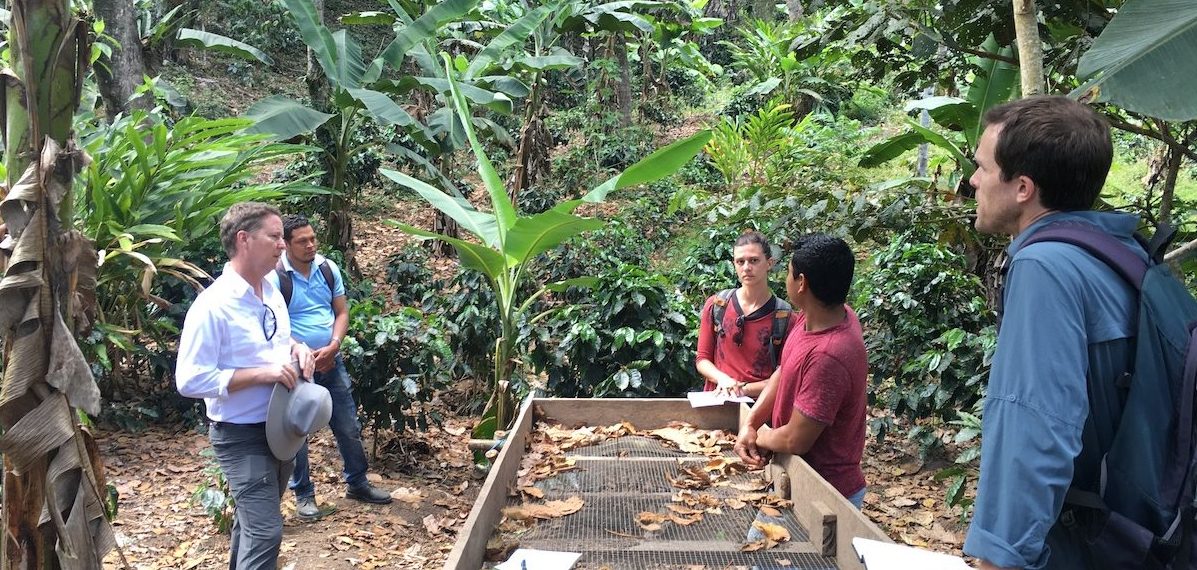
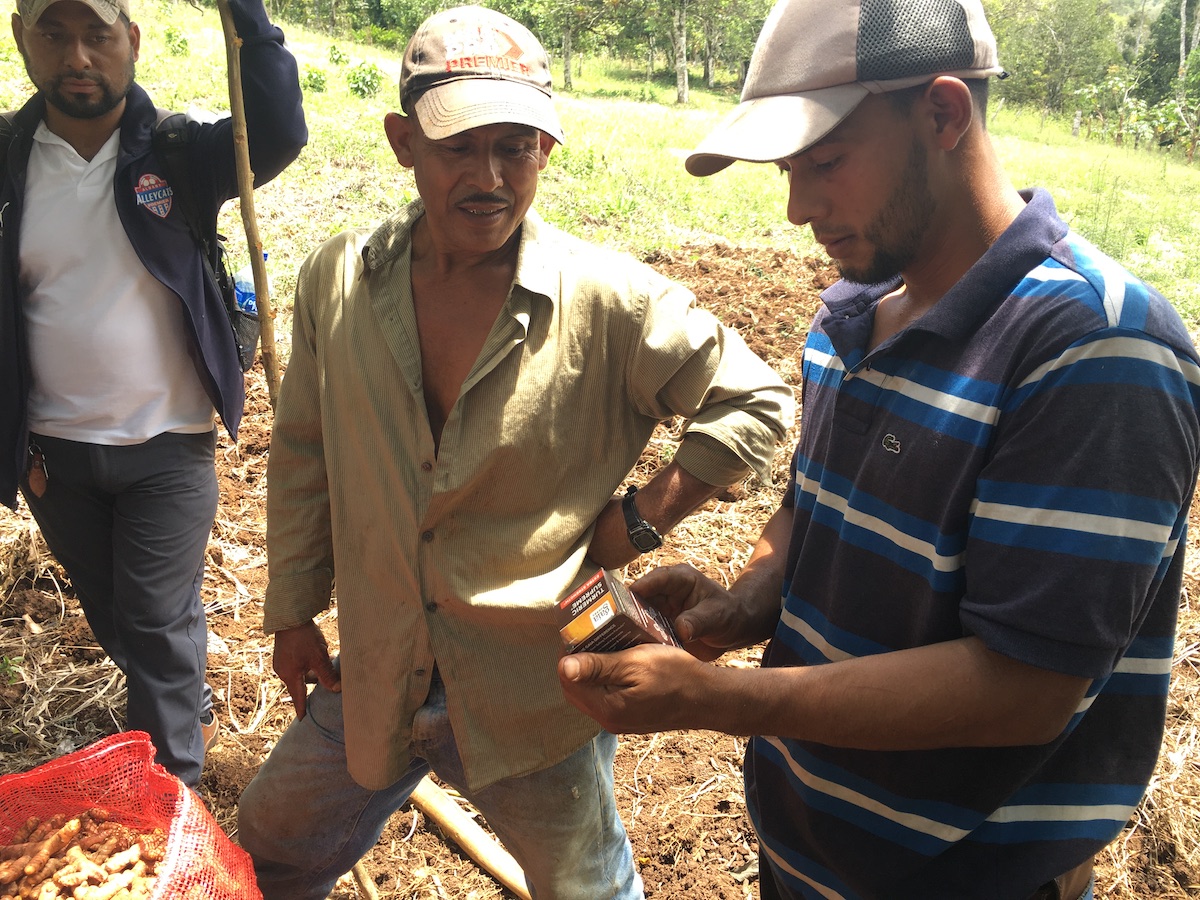
Gaia Herbs was introduced to Doselva in September 2019. The two companies quickly found that they shared a core set of values and a vision of the transformative nature of herbal farming. Gaia was launching their Global Farmer Investment Fund, which aims to support its farming network through investments in regenerative agriculture. In 2020, Gaia received its first order from Doselva’s network of turmeric farmers. That same year, Gaia issued an $8,000 grant for Doselva’s farmers and agricultural extension agents to cover planting, soil amendments, disease and pest management, and harvesting for turmeric production. As Alison Czeczuga, Sustainability & Social Impact Manager at Gaia Herbs, said, “The grant was a great foundation for building trust at the beginning of our relationship. While we were qualifying them as a vendor, we were also having conversations about our values. Our conversations were easier and more transparent. From the outset we focused on the vision rather than just the transaction.” In 2022, after several postponements due to COVID, members of the Gaia Herbs Global Sourcing Team, Stephanie Kane and Chase Millhollen, joined by Ann Armbrecht of SHP, visited Doselva for a week to meet with the farmers who grow their turmeric and to see Doselva’s operations first-hand. It also represented an opportunity for Gaia and Doselva to calibrate on product quality issues and good manufacturing practices.
Objectives of the Doselva and Gaia Partnership
Doselva’s vision is anchored on regenerative agriculture as a way of mitigating and adapting to climate change to create three outcomes:
- To protect Central American forests by creating a market for certified organic herbs and spices grown in an agroforestry setting.
- To help Central American farmers diversify their livelihoods and achieve a higher and more reliable income by diversifying their crops and working towards Fair Trade certification.
- To produce the highest quality ingredients for Gaia (and other wholesale and finished product companies), directly traceable to hundreds of smallholder farmers.
Stakeholders
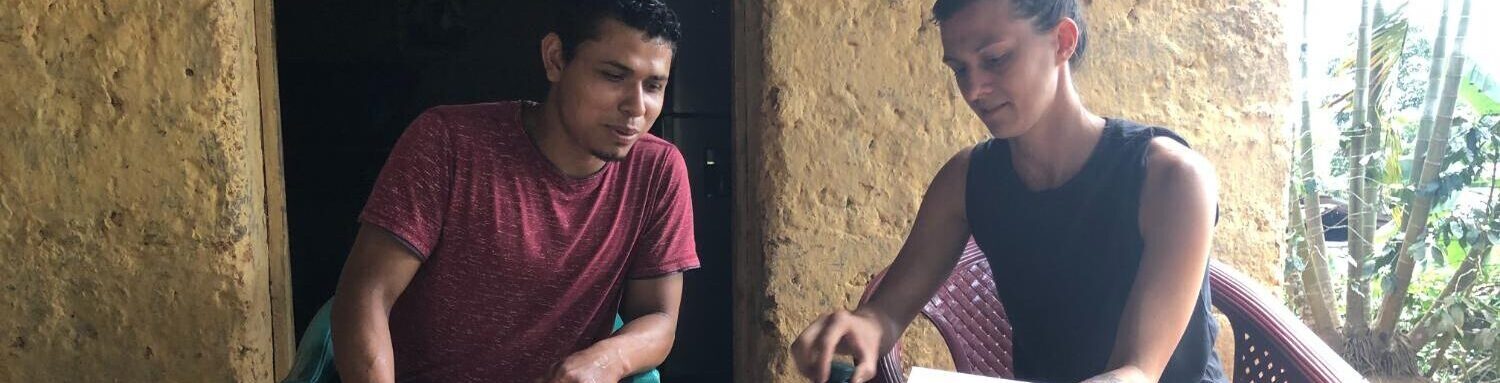
- Farmers – 300 Farmers total, 130 of those from coops. 170 independent farmers. The independent farmers are grouped together using a lead farmer approach, i.e., Doselva reaches out to the lead farmer who then gets others involved.
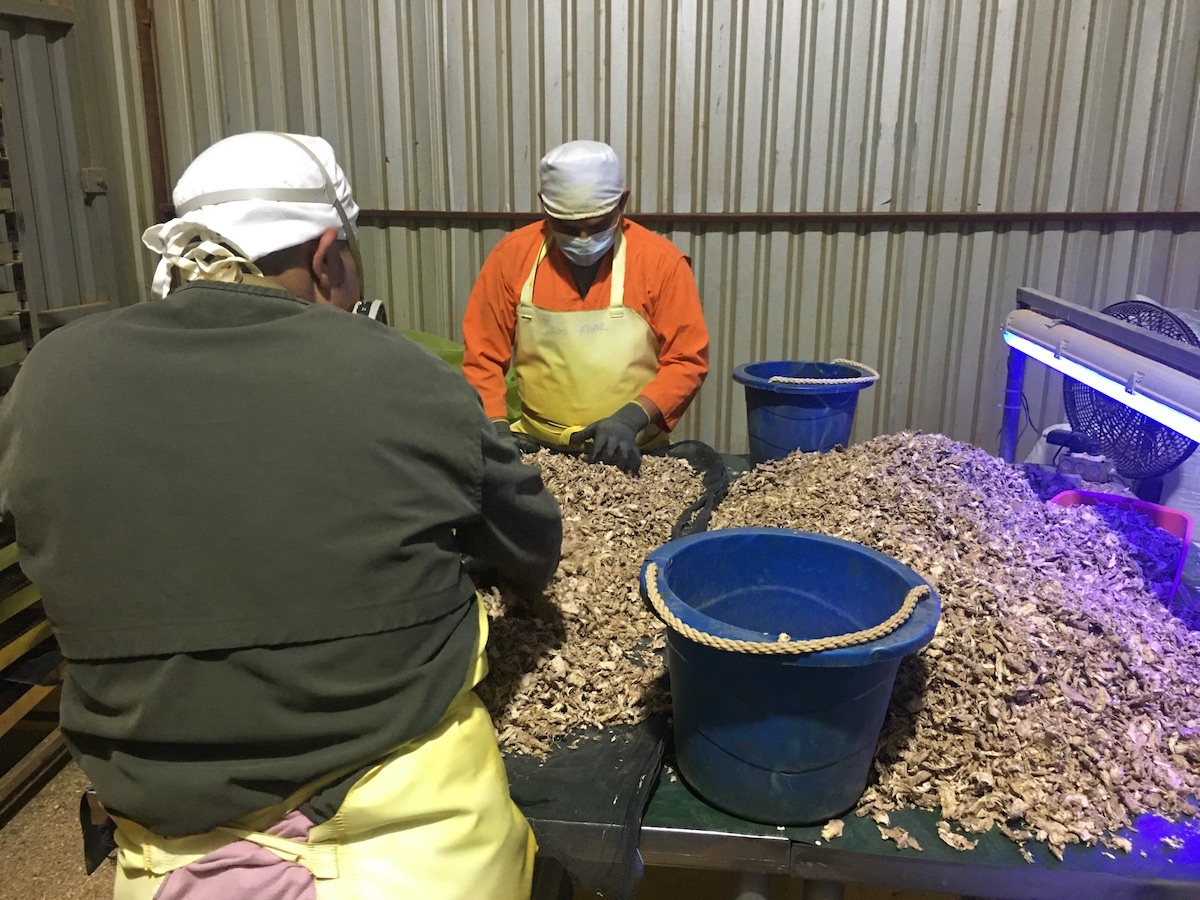
- Doselva – Develops farmer network, purchases spices from farmers, processes (washes, slices, and dries), and exports fresh and dry material.
- Gaia – A leading herbal supplement brand in North America, looking to source high quality material with a positive environmental and social impact.
- Consumers – Turmeric is one of the top-selling herbs on the United States and other international herb and dietary supplement markets. It is best known for supporting the anti-inflammatory response, supporting optimal joint health, mitigating the body’s response to pain, and encouraging healthy digestion. Consumer data show that traceability, safety, efficacy, and sustainability are all important factors when choosing a brand.
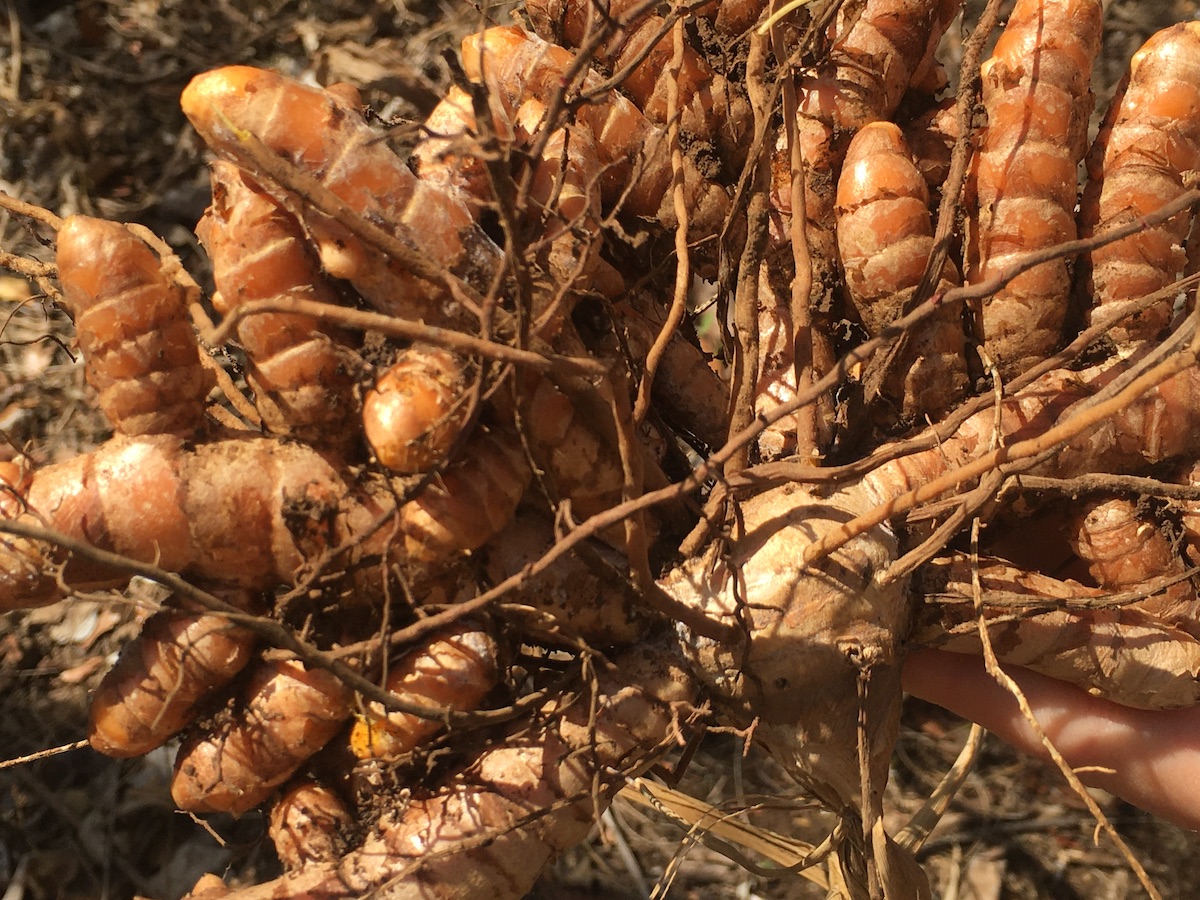
Value for Coffee Farmers to Grow Turmeric and Ginger
- The production cycle is short for these plants: the period from planting to harvest is 8–10 months, in contrast to coffee which requires a three-year waiting period. With rain-fed systems there is one harvest per year, with irrigation up to two.
- Both rhizomes love the heat and can be grown at a wide range of altitudes, making both crops highly suitable alternatives to coffee in a changing climate.
- Both turmeric and ginger are shade-tolerant and can be intercropped with coffee in an agroforestry system or in full sun compact systems. Once dry, they are shelf-stable for one year. Neither crop is highly vulnerable to pests or disease; production costs consist of seed purchase, planting, weeding, and harvesting.
- The harvest for turmeric starts after the coffee harvest ends, when there is typically little income. Perhaps most important to the farmer is that both turmeric and ginger put cash in the hands of farmers at a critical moment.
Business Vision
Doselva began by working with coffee farmers growing certified Fairtrade and organic coffee in polyculture agriculture systems, many of whom were in coops formed in the late 1990s. These coops are well established with several hundred members and have highly developed trade networks that export coffee and honey to Fairtrade markets in Europe and North America. Since they were established, the coops have offered training in everything from agroforestry practices to navigating international quality standards for export. Producers for Tierra Nueva COSATIN, a coop with 300 members, began to run trials of ginger and turmeric in 2013 and began exporting organic and FairTrade-certified turmeric and ginger to high value European and US-based companies. The first phase of Doselva’s plan has been to develop a solid business plan and ensure it can provide high quality raw material. The second stage is to use these markets for spices to improve the social, economic, and environmental conditions in the farming communities. This case study offers a baseline to be used to compare and measure against in the future.
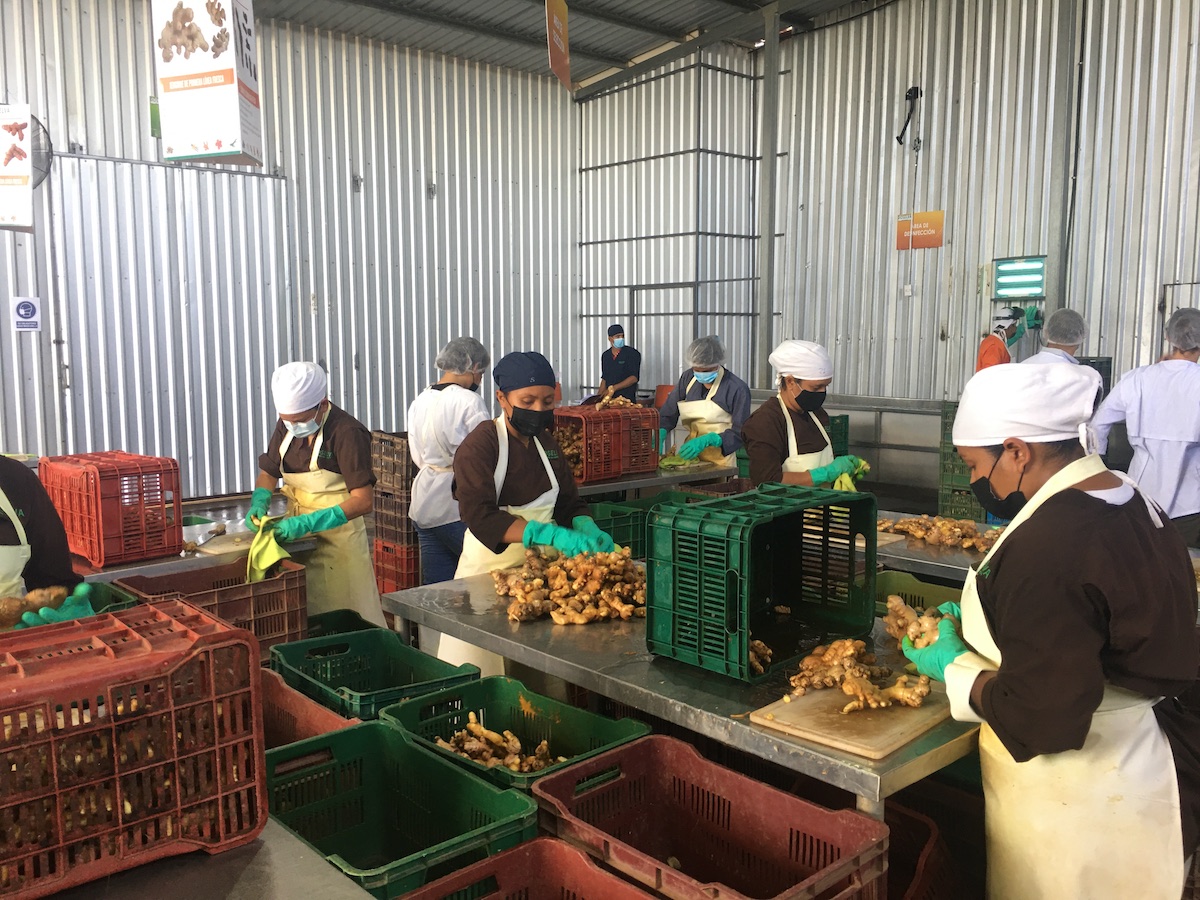
Processing Center
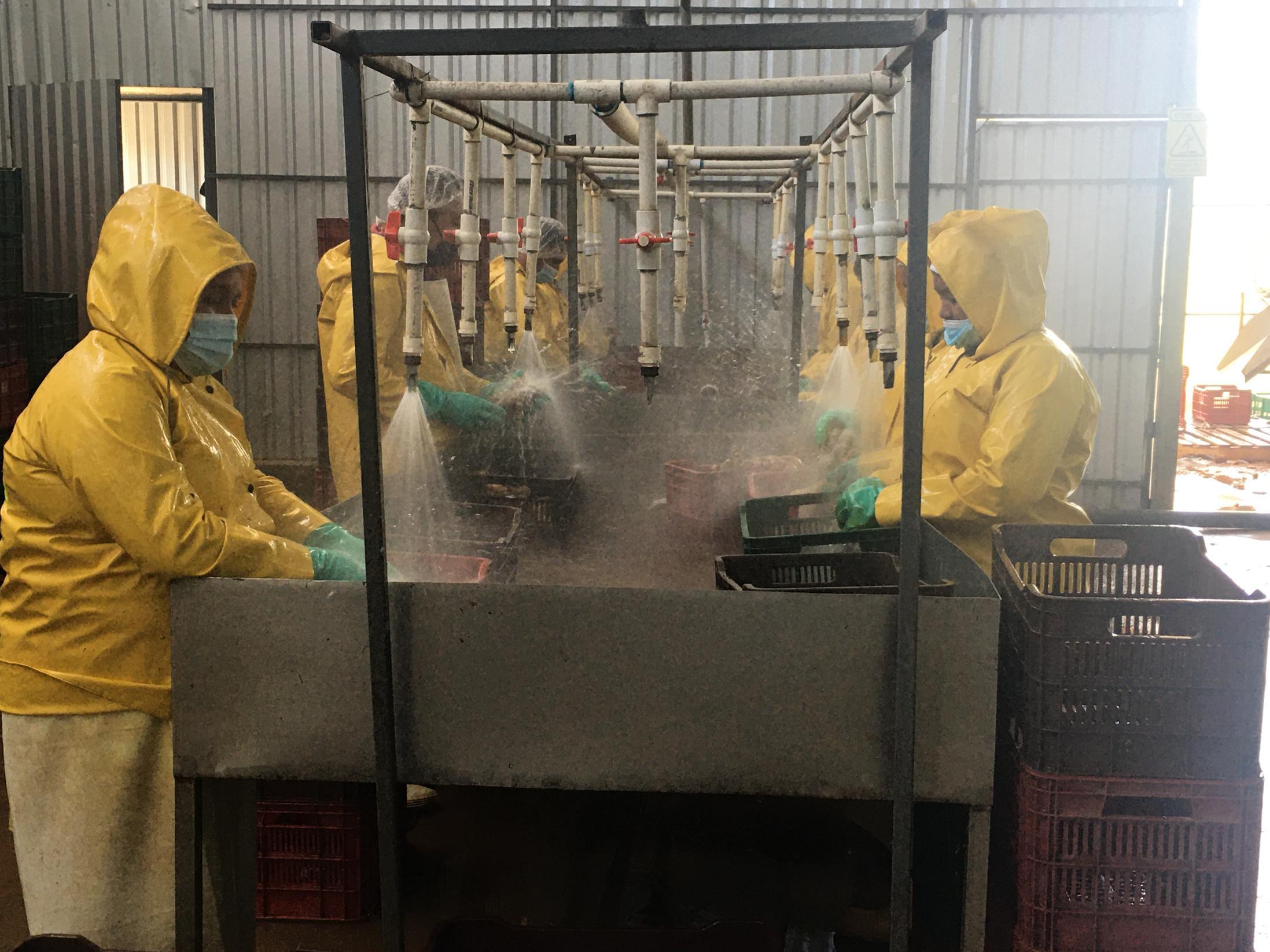
Doselva established a processing center to wash, cut, dry, and store raw material on the outskirts of Granada, Nicaragua. Doselva is working on expanding into Honduras to diversify its supply networks and manage the company’s risk. As Jefferson said, “The impact would be less [in Costa Rica]. And I’m not doing this work to be safe. I’m doing it to change the world.” Doselva’s current annual production capacity is 140 metric tons of dried ginger and turmeric combined and 720 metric tons of fresh ginger and turmeric, with plans to double that volume. The company is also making forays into growing and selling 50 metric tons of cardamom, and smaller volumes of lemongrass, vanilla, and hibiscus. Gaia purchases 30–40 tons of turmeric annually, over 20% of Doselva’s dry volume.
Terms of Trade
Doselva:
- Doselva provides a sales contract to farmers at the beginning of the year.
- Doselva provides the following services to the farmers: in-kind seed finance, organic inputs for farming practices, on-farm technical assistance in production and harvesting best practices, and organization around harvest collection.
- Doselva manages the participation of its farmer network in various third-party certification programs such as Organic and Global Gap. Certifications are a pre-requisite to formal market access and boost supply chain confidence in adherence to food safety, social, and environmental standards.
Gaia:
- Gaia Herbs offers a pre-payment to Doselva so that Doselva can provide farmers an advanced payment to cover harvest costs. Since Doselva’s network is comprised of smallholder farmers, advanced payment enables farmers to ensure a more stable cash flow at critical points in their production season when their costs are the highest. The result is a more secure source of supply all around.
Community Capitals
These definitions are taken from “Promoting Community Vitality and Sustainability,” by Lionel J. Beaulieu, Purdue University, October 2014.
Natural Capital
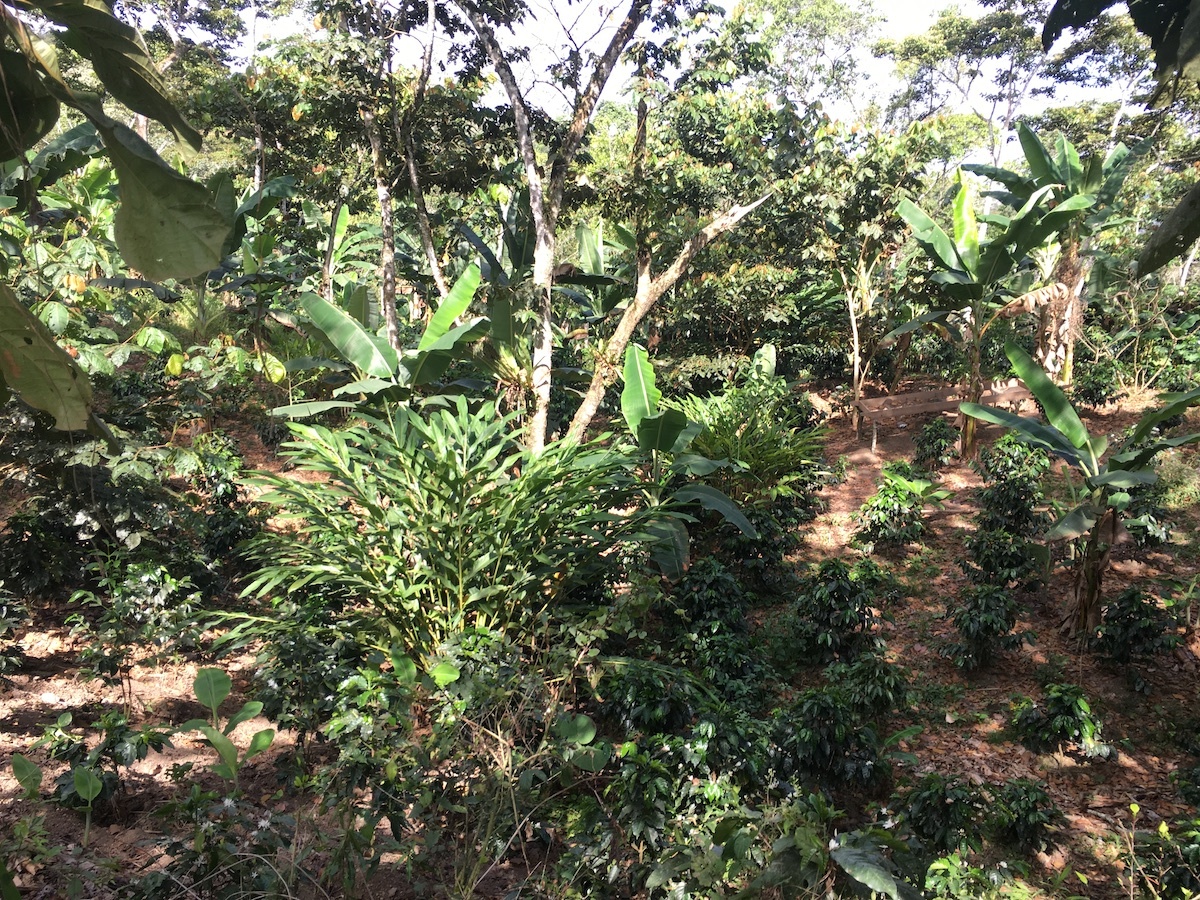
The quality and quantity of natural and environmental resources existing in a community. In Nicaragua, the forest is by and large the community’s strongest available Natural Capital. However, deforestation is an increasing concern. In Central America, initiatives that preserve the forests contribute to reducing greenhouse gas emissions and to protecting and enhancing biodiversity. The farms are a mix of shade-grown coffee, banana trees, mango, avocado, sugar cane, cardamom, hardwoods, and turmeric. While touring the country in 2022, Jefferson said that the farmers around San Juan del Rio Coco have the best polyculture that he has seen in Nicaragua and maybe even in all of Central America.
Expanding Natural Capital
- Agroforestry – Turmeric is grown either under shade-grown coffee or in fields surrounded by trees (typically citrus and/or bananas). The turmeric must be rotated after two or three years; rotation is done with maize and beans.
- Low Tech and Environmentally Safe Inputs – In 2022 Doselva supplied vermiculture, pigeon pea seeds, and foliar sprays for diseases to improve turmeric yields and harvest income for farmers.
- Reuse – Using the waste material (organic coffee cherry or cascara) from coffee production for building the soil.
- Organic Farming – Because farming practices are certified organic, synthetic chemical fertilizers and pesticides are kept from entering the ecosystem.
- Land Management – Doselva is helping farmers develop sustainable stationary agriculture systems rather than slash-and-burn methods, through rotating crops and building the soil.
- Water – Agroforestry practices help retain water at the farm level and minimize runoff and soil erosion. 100% of the farmers rely on rain-fed crops, requiring green water solutions including cover crops.
- Water in Processing – Doselva is working on developing good stewardship of water in processing using water jets to clean roots and rhizomes, with immediate recirculation and re-use of water.
- Energy Use at Processing Facility – Doselva has a greenhouse for solar drying and is designing protected areas to take advantage of solar energy to decrease energy use and carbon footprint.
Social Capital
Social capital refers to the “glue” that holds a community together and whose presence can spur the type of economic growth that brings benefits to the entire community. The farmers with whom Doselva works are well organized and connected from their involvement in coffee cooperatives. Doselva can strengthen the power of the co-ops by providing an additional Fair Trade crop. Fair Trade funds were used to open a restaurant in San Juan del Rio Coco, creating jobs for younger people. Doselva agricultural technicians travel to the farms to offer training and support, and the company is working to increase the number of technicians to provide better post-harvest handling training.
- Technical Support – Builds farmers’ knowledge which they can continue to share with others.
- Community Income Generation – By creating a new stream of income in the region, Doselva makes farms more viable and resilient, allowing farmers to stay on the land rather than migrate for work.
- Loyalty – Advance payment to pay for labor helps develop farmer loyalty.
- Management Opportunities – The longstanding coffee industry in Nicaragua provides a basis for Doselva to start the company with experienced Nicaraguans in management, preventing brain drain.
- Advanced Leadership – Doselva is working on bringing in more Nicaraguan representation into leadership at the company’s Board of Directors.
Human Capital
Human capital includes attributes of individuals that provide them with the ability to earn a living, strengthen community, and contribute to organizations, families, and self-improvement. This includes access to education/training, skill building, and leadership development.
With the Gaia grant, Doselva produced five technical manuals along with a series of videos used by its 8 agronomists to train farmers in regenerative practices. The manuals covered turmeric, cardamom, vanilla, ginger, and agroforestry. Technical Advisor Osmar Centeno has been using the training materials for two years with over fifty farmers in his region of Madriz in Northern Nicaragua.
Technical Advisor Hugo Paz has been with Doselva since its founding. He visits the 75 farmers in his region weekly throughout the year. The Turmeric Technical Manual and the Cardamom Manual have been essential tools guiding technical advisors and producers through every stage of cultivation, from soil preparation and seed selection to harvesting and post-harvest handling.
Stakeholder Skill Development
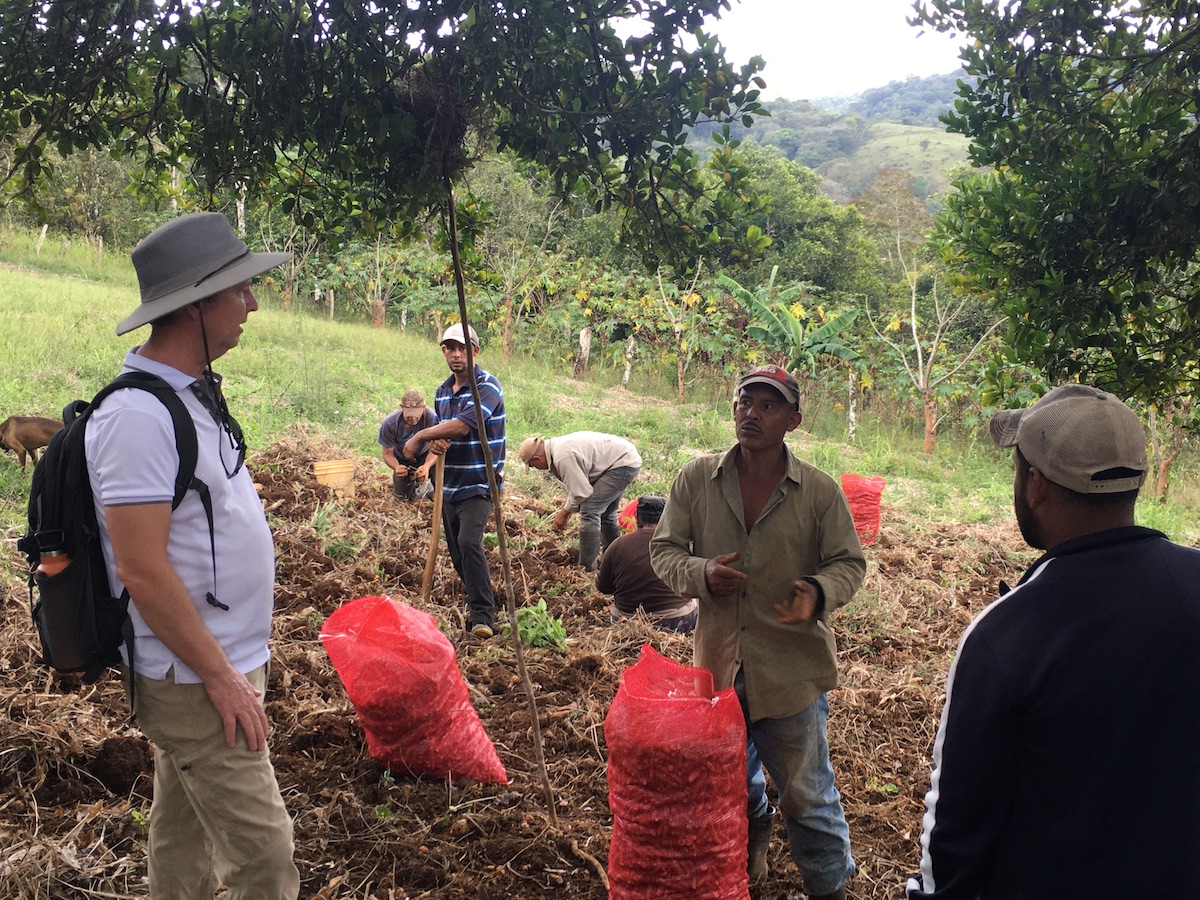
- Smallholders – Most of the farmers are considered smallholders, owning less than 10 hectares.
- Younger Farmers – In the Boaco region the average age of independent farmers is 22–35. Many younger farmers have doubled the quantity of turmeric grown due to increased income.
- Gender Roles – Workers in turmeric production are about 85% men and 15% women. Doselva recognizes the importance of finding ways to support livelihoods for women in Nicaragua.
- Skill Development – Turmeric offers the opportunity for farmers to learn a new crop. Farmers are required to document their farming practices in a workbook provided by Doselva. Doselva is also considering inviting farmers to the processing center so they understand why quality in the field is so important.
- Educational Opportunities – Farmers are using money from turmeric sales to educate their children and send them to universities.
Doselva Processing Facility
- Processing Plant – Skills with handling and processing new crops. Provided 38 jobs in 2022.
- Administrative – There were 29 administrative positions in the head office in 2022. Doselva offers positions that require higher education, encouraging the community to seek this education.
- Skilled Labor – Areas of proficiency cover agronomy, traceability, quality, implementing and managing certifications, and using/maintaining machines.
Agricultural Tech Staff
- Certifications – Agricultural technical staff teach and assist in Certified Organic and Global Gap agricultural certifications.
- Soft Skills – Working effectively with farmers in the field.
- Deepening Education in Sustainable Farming – Ag tech staff members receive and provide regular training on agroforestry, regenerative and organic practices, disease management, and food safety.
- Quality – Ag tech staffers are trained to navigate global quality standards and manage quality issues both in the field and in the processing center.
Industry Engagement
With the ability for business operations to inspire change, this partnership has become the bedrock of what an ideal partnership at Gaia Herbs can look like. It is rooted in a shared vision of using herbal farming to improve the livelihoods of smallholder farmers as well as the tilth of the earth. As a certified B Corp™ and a mission-driven company that is in business to make the world a healthier place, Gaia Herbs has stated its deep commitment to stakeholder accountability and moving business into a new era of regenerative and responsible operations. Gaia Herbs hopes that this partnership can serve as an example for its internal network of global suppliers and inspire other companies to build systems that go beyond traditional transactional business operations — creating shared value for all partners involved: brands, suppliers, and ultimately, consumers.
Financial Capital
Financial capital refers to the financial resources available to invest in building capacity, development, entrepreneurship, and wealth accumulation. Nicaragua is the second-poorest country in the Western Hemisphere and has the highest rate of deforestation of any country in the region. Growing turmeric and other spices alongside shade-grown coffee provides additional economic incentive to keeping the forest canopy intact, offers additional income to smallholders, provides field jobs during the slow season, and helps farmers diversify their practices. As one farmer said, “There is nothing stable about coffee, either the yield or the price.”
Fair Trade Floor Price
All the farmers we visited grew Fair Trade-certified coffee. Fair Trade provides a floor price which helps when the price of coffee drops. Yet, that income isn’t enough to support the farmers the entire year and so they were interested in growing alternative crops. For one hectare of land, a farmer typically will get $2,500/hectare (gross) from growing turmeric in the Doselva supply chain. Coffee typically brings in $800–1,200/hectare, and beans $150–300 per hectare. Gaia Herbs prepays Doselva when placing its order, which Doselva uses to pay farmers 30–40% of the purchase price before harvest. The remainder is paid ten days after raw material is received and passes quality testing.
Expanding Financial Capital
- Global Standards – Payment is made in US dollars and Doselva helps farmers set up bank accounts.
- Increasing Local Employment – Doselva works with farmers on the financial planning of production costs and profitability. Forty percent of farmers’ time is devoted to harvesting.
- Local Investment – Farmers are using the additional income to buy land, invest in education, and improve houses.
- Stability – Price is more stable for turmeric than coffee. Turmeric sales provide money in the off-season when there is not another source of income.
- Diversification – Doselva’s vision is to diversify cash crops so that farmers have two or three crops on which to build financial stability. Plans also include growing food staples such as beans, maize, and millet.
Built Capital
Built capital is the infrastructure that supports the community, including public utilities like water, sewer, and communication networks, roads, and industry. At the community scale, built capital includes people’s homes, businesses, and farming equipment. There is a need for more investment in infrastructure in Nicaragua, including clean drinking water, sewer systems, and in more remote areas, roads.
Expanding Built Capital
- Processing Facility – The investment in Doselva’s processing facility provides a lasting asset to the community.
- Farmer Investment – Farmers use the income from turmeric to invest in better houses.
- Reduction of Energy Use – By building hoop houses for drying, Doselva is reducing the use of the electric-heated drying room, reducing impact on the local energy grid and enabling higher quality dried material.
- Upgraded Machinery – Upgraded turmeric slicer for safety and to improve efficiency during Gaia Herbs’ extraction process.
- Water Improvement Project – To reduce impact on the local water supply, farmers are undertaking a project to recycle processing wastewater into local crop production.
Cultural Capital
Cultural capital is the community’s heritage and traditions, including the values, norms, and beliefs that people inherit from their family, school, and community. This also includes cultural events, music, libraries, museums, and other expressions of their culture. The culture of farming in Nicaragua is deeply embedded in the coffee industry. Young farmers all referenced the experience handed down by their families. The last farmer visited on the trip, Nolvin, was 25. When asked why he stayed and farmed when his siblings had immigrated to the U.S., he described his love for the country, the animals, and plants, and his desire to care for his parents. “Farming is fun,” Nolvin said. Stephanie Kane noted how one farmer described using turmeric for ailments and including it in tea and rice dishes — “It is no small thing to note that this is how food cultures change and evolve over time,” she said.
Expanding Cultural Capital
- Gaia – This partnership impacts and supports the Gaia culture and their mission of connecting people, plants, and planet to create healing. For employees, seeing this type of partnership ensures that Gaia Herbs is living into its mission and values, setting a high bar for both procuring high quality herbal material and creating mutually beneficial partnerships.
- Consumers – Consumers want to know they are investing in products that are doing good for the planet. Partnerships like this give consumers confidence that they are purchasing products with integrity, not only improving their own health but enabling farmers to improve their standard of living through regenerative farming operations.
How Fair is the Herbal Supply Chain?
Fair certifications are slowly gaining more momentum in the herb...
Advocacy and the Climate Crisis
Jane Franch of Numi Tea talks about Numi's climate plan...

Consumers Prioritize Sustainability
Key takeaways from HerbalGram article, “Climate-Conscious Consumers Prioritize Sustainable Herbal...
What Does Sustainability Mean?
In this video and interview, Andrea Rommeler talks about what...