
Wild Harvesters

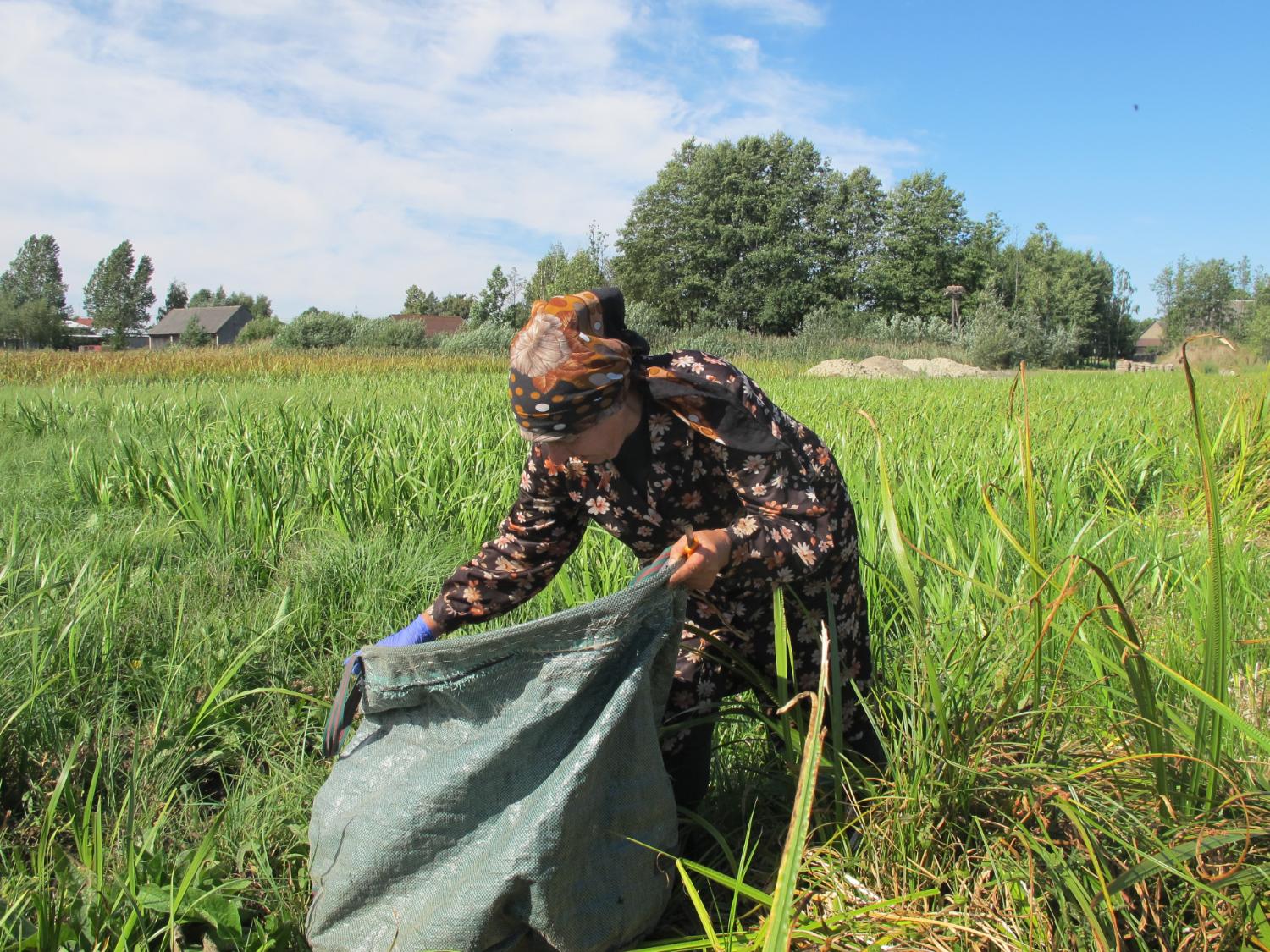
wild harvesting in Poland
If we choose to use plants as our medicine, we then become accountable for the wild gardens, their health and their upkeep.
-Rosemary Gladstar

Who collects your wild harvested plants?

Two thirds of all herbs on the commercial market come from the wild but the wild harvesters and collectors themselves are often unseen by consumers. At Sustainable Herbs Initiative we are working to change that.

The cost of herbs in a long supply chain can be quite cheap at the source, so collectors typically don’t get paid much for their work. They often live on the margins of society, culturally, economically, and geographically. Wild collection is hard work, involving digging roots, harvesting bark, berries, or flowers growing high in trees and hauling sacks up a ridge or across a meadow in the heat of the day. 

Despite our reliance on wild harvested plants, the wild harvesters themselves are often unrecognized for the work they do, the knowledge that they hold as well as the precariousness of their future.

Contextualizing Questions and Answers

Q: Why are wild harvesters important?

A: Over 90 percent of plant species come from the wild. By volume, around two-thirds of the herbs in commerce are from the wild.

Q: How can wild harvesters help protect biodiversity?

A: Experienced wild harvesters know how to harvest without impacting the future health of plant populations as they depend on them for their livelihood. Some medicinal plants are threatened with extinction in the wild and their survival relies on sustainable harvesting.

Q: Why does it matter that wild harvesters are fairly paid?

A: If collectors feel they are getting fair compensation, they are more likely to do a better job. It also means that it may continue to attract younger generations of wild harvesters and prevent the loss of sustainable harvesting techniques and traditional knowledge.
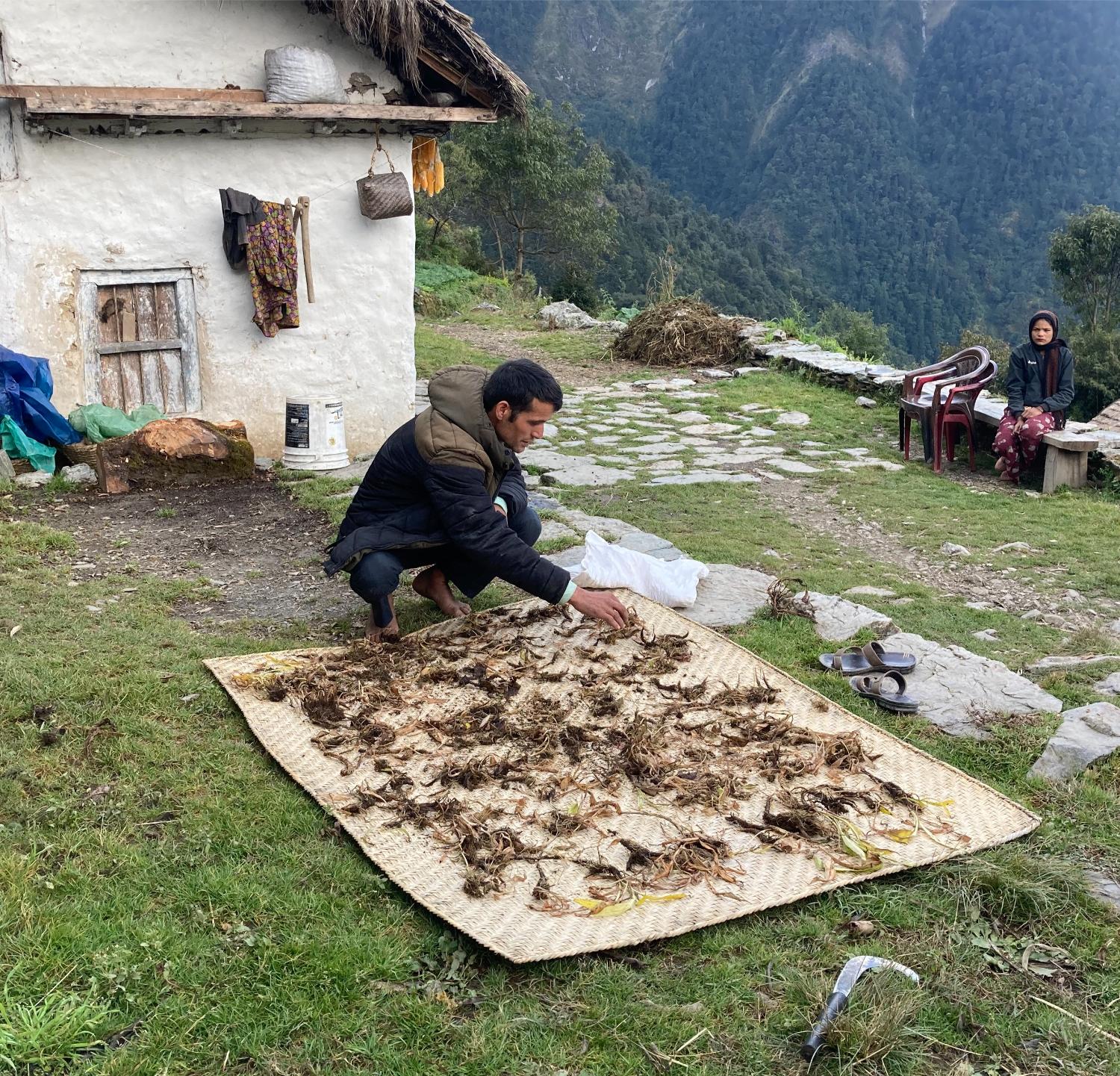
Drying Jatamansi in northwest Nepal

Meet the Wild Harvesters

SHI travelled to Poland to meet wild harvesters working in the Bialowieza Forest area. This video shows people gathering and processing medicinal plants before they deliver them to Runo, a company that exports herbs to Europe and the US.

People in rural areas have a unique role and privilege in maintaining biodiversity. We need to support them to do the extra work of maintaining these places, because those of us living in cities depend on them for survival.

– Joseph Brinckmann

Wild Harvesting today - the potential

Wild harvesting depends upon a healthy ecosystem, alive for the future generations. It offers an opportunity to provide livelihoods that support communities of people and plants alike. 

As a source of income in rural areas, it can help to encourage the preservation of natural habitats that may otherwise be brought into agricultural use or built upon. 

Many of the wild harvesters gathering medicinal herbs come from marginalised communities. By giving real value to their work, they are able to financially provide for themselves and their families. It also recognises traditional knowledge and its significance for the future wellbeing of all who live within the landscape. 

Wild Harvesting today - the challenges

Wild-harvested medicinal plants play a crucial role in the global herbal products industry. Yet the communities responsible for their collection face significant ecological, economic, and social challenges. They share these with the herbal product companies that source plants from them. Below are some examples of the key obstacles faced as well as ways in which they have been overcome.

Diversification of income streams to generate year round income

Income from wild harvesting is unreliable as people work independently rather than as employees. They are also dependent on the weather and climate. For many, it is a way to supplement income during the year.

Fair compensation for harvesting work

The wild harvesters themselves deserve fair compensation for the physically hard work they do. This gives value to their work which in turn means that they are more likely to take care and pride in what they do. Too often, these botanicals are taken from these regions with little return in terms of helping to build thriving local economies. Another challenge is the price gap between what wild harvesters and primary processing companies need to provide sustainably harvested botanicals and what the industry is able/willing to pay.

Making harvesting more ecologically sustainable

One of the golden rules of wild harvesting is leaving enough to ensure environmental, and thus, financial sustainability. Take too much and there will be nothing for the future. Short sighted exploitation of our wild plants can lead to over-harvesting, adulteration, environmental disturbances, and unfair labor practices – all of which negatively impact the long term supply of the wild plants on which the herbal products industry depends. 

Access to land

Wild harvesters are dependent on being able to gather from the wild. As they rarely own this land, they are reliant on others for access. The quality of the plants gathered, in particular the presence of pesticides, is hugely affected by the farming and management practices of neighbouring areas.

Respect and recognition for harvesting work

Communities are often isolated and lack information and resources, especially about what is occurring in wild harvesting communities in other regions of the world or further up the botanical value chain, even with botanicals they source themselves. Within their own countries, harvesting work is not often valued.

Future generations of wild harvesters

Wild harvesting techniques, in particular, are typically built around generational knowledge that is passed down. This knowledge is lost as older generations retire and younger generations move away to urban areas seeking more stable and financially rewarding work. This has led to a decline in the number of wild-harvesters.

SHI Wild Harvester Stories

The SHI Wild Plants Working Group is gathering stories of wild harvesters from around the world. Our goals are to document the diverse challenges faced in ethically sourcing wild medicinal plants across different cultural and ecological contexts and to share wild collectors’ narratives through the SHI website. You can read more about these stories here.

This film, made by SHI and American Botanical Council, showcases the work of wild crafters in the Appalachian mountains. The knowledge of digging roots such as American ginseng, Black cohosh and Goldenseal has been passed down the generations and offers a source of income in a region hit hard by unemployment and economic deprivation. To be a digger demands skill, strength and foresight to make sure there are harvests and income for the future. This is not just a job but a true craft.  

Blog Posts Related to Wild Harvesters